With more than 10‑year industry experience, Shandong Headpowder delivers full‑service pneumatic‑conveying systems and blowers, undertaking nationwide turn‑key powder‑handling projects.
When it comes to transporting fine sand and gravel, selecting the right delivery method is crucial for efficiency, cost-effectiveness, and operational safety. Among the various options available, pneumatic conveying stands out as a highly effective solution, especially for materials like fine sand and gravel. This article provides an overview of the delivery methods for fine sand and gravel, with a focus on the advantages and features of pneumatic conveying, as presented by Shandong HeadPowder Engineering Co., Ltd.
Fine sand and gravel are commonly used in construction, mining, and industrial applications. These materials require reliable and efficient transportation systems to ensure smooth workflow and minimal downtime. Traditional methods such as belt conveyors, bucket elevators, and screw conveyors have been widely used, but they may face challenges when dealing with fine, dusty, or abrasive materials. Pneumatic conveying offers a more advanced and versatile approach to handling such materials.
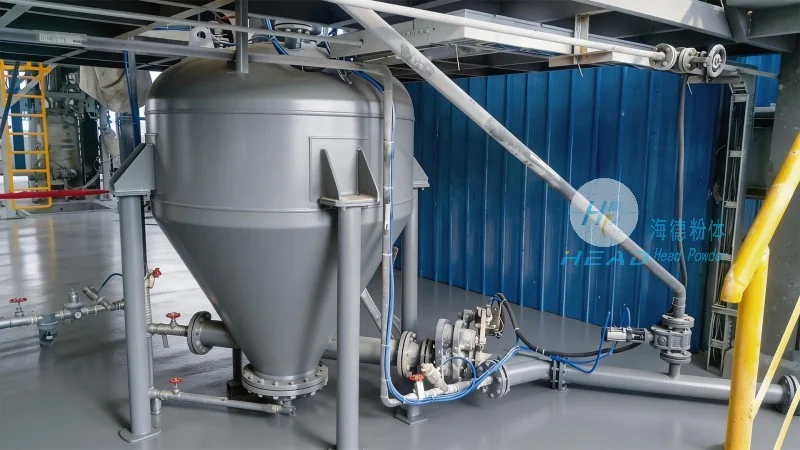
Pneumatic conveying is a technology that uses air or gas to transport bulk materials through a pipeline system. It is particularly suitable for fine sand and gravel due to its ability to handle dusty, abrasive, and lightweight materials without causing wear and tear on equipment. The system typically consists of a blower, a hopper for material storage, a pipeline network, and a discharge point. The process involves feeding the material into the hopper, where it is then drawn into the pipeline by the air flow, and transported to the desired location.
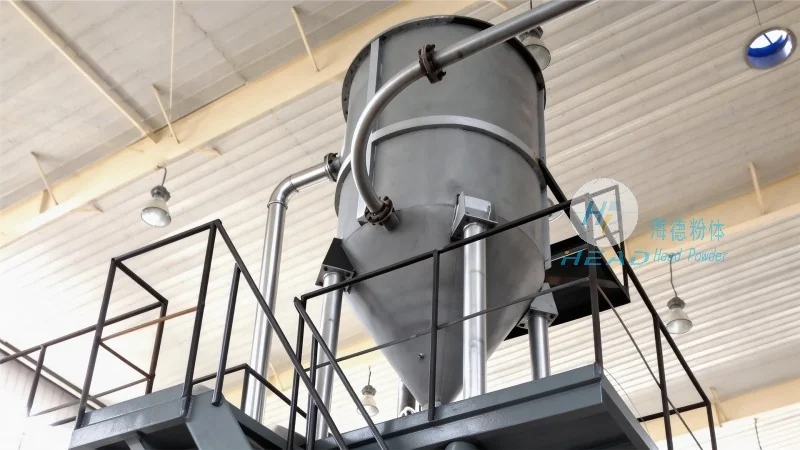
One of the key advantages of pneumatic conveying for fine sand and gravel is its ability to handle abrasive materials without significant equipment wear. Unlike mechanical conveyors that rely on moving parts, pneumatic systems use air pressure to move materials, reducing the risk of component damage. This results in lower maintenance costs and longer equipment lifespan. Additionally, pneumatic conveying is highly flexible, allowing for the transportation of materials over long distances and through complex layouts without the need for multiple transfer points.
Another significant advantage is the reduced risk of dust and material contamination. Pneumatic systems are enclosed, which helps to contain dust and prevent it from spreading into the environment or other parts of the facility. This is particularly important for fine sand and gravel, which can be prone to dust generation. The enclosed system also ensures that the material remains clean and free from contaminants, meeting quality standards for various applications.
Shandong HeadPowder Engineering Co., Ltd. specializes in the design, manufacturing, and installation of pneumatic conveying systems tailored to the specific needs of fine sand and gravel applications. Their systems are equipped with advanced features that enhance performance and reliability. For instance, variable speed blowers allow for precise control of air flow, ensuring optimal material transport without excessive energy consumption. The use of high-quality materials for the pipeline and components further contributes to the durability and longevity of the system.
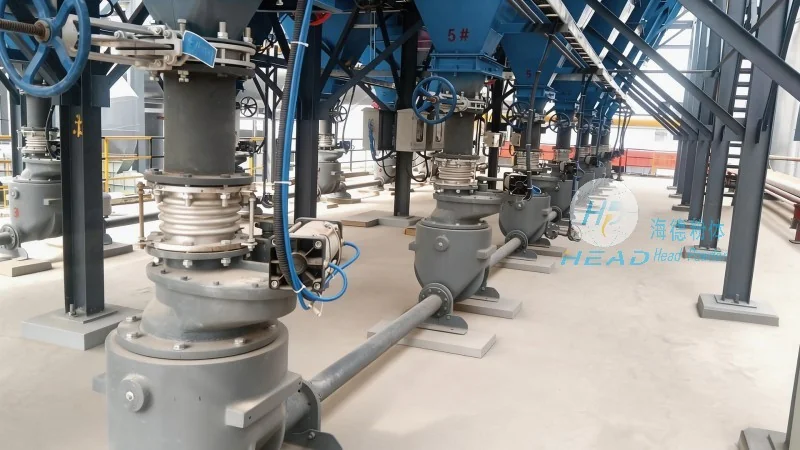
The company's expertise in material handling ensures that their pneumatic conveying systems are designed to handle the unique characteristics of fine sand and gravel, such as particle size, density, and moisture content. This customization ensures that the system operates efficiently and effectively, minimizing downtime and maximizing productivity. Additionally, their systems are equipped with monitoring and control systems that allow for real-time tracking of material flow and system performance.
Compared to traditional delivery methods like belt conveyors and screw conveyors, pneumatic conveying offers several advantages. Belt conveyors are effective for transporting larger, bulkier materials but may struggle with fine sand and gravel due to the risk of material spillage and dust generation. Screw conveyors, while suitable for some materials, can suffer from wear and tear when handling abrasive substances like fine sand and gravel. Pneumatic conveying, on the other hand, provides a more efficient and reliable solution for these materials, with lower maintenance requirements and reduced environmental impact.
Pneumatic conveying is widely used in various applications involving fine sand and gravel. In construction, it is used to transport sand and gravel to job sites, ensuring a steady supply of materials for concrete mixing and other construction activities. In mining operations, it is employed to transport ore and other materials from extraction sites to processing facilities. The flexibility and efficiency of pneumatic systems make them ideal for these applications, where reliability and speed are critical.
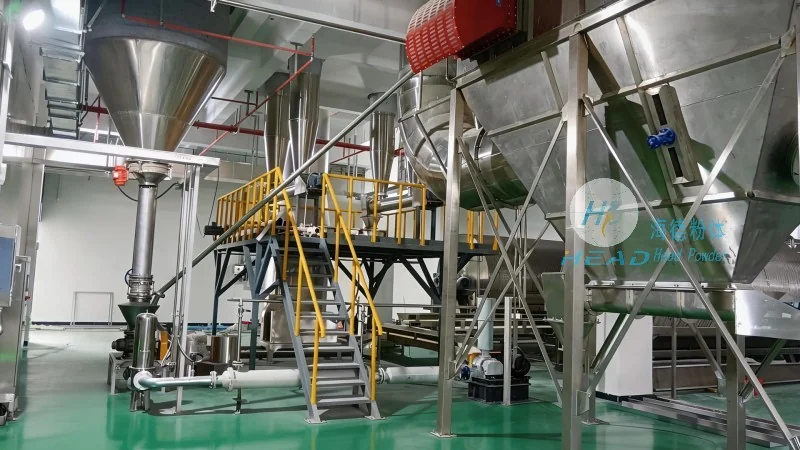
In industrial settings, pneumatic conveying is used for material handling in manufacturing processes that involve fine sand and gravel. For example, in the production of concrete, fine sand and gravel are transported from storage silos to mixing plants using pneumatic systems. This ensures a consistent supply of materials, which is essential for maintaining product quality and meeting production targets.
Pneumatic conveying is a highly effective delivery method for fine sand and gravel, offering numerous advantages over traditional approaches. Its ability to handle abrasive materials, reduce dust and contamination, and provide flexible transportation solutions makes it a preferred choice for many industries. Shandong HeadPowder Engineering Co., Ltd. provides advanced pneumatic conveying systems that are tailored to the specific needs of fine sand and gravel applications, ensuring optimal performance and reliability. By leveraging the benefits of pneumatic conveying, businesses can enhance their operational efficiency, reduce costs, and improve overall productivity in the handling of fine sand and gravel.

 Shandong Headpowder Engineering Co., Ltd.
 156-6277-7102(Manager Zhang)
  0531-83386006
  Zhangqiu District, Jinan City, Shandong Province, China
telephone
WeChatconsult
top