With more than 10‑year industry experience, Shandong Headpowder delivers full‑service pneumatic‑conveying systems and blowers, undertaking nationwide turn‑key powder‑handling projects.
When it comes to transporting corn flour, selecting the right method is crucial for efficiency, cost-effectiveness, and product integrity. Among the various options available, pneumatic conveying stands out as a preferred solution for many industries due to its unique benefits and operational capabilities. This article explores the different corn flour conveying methods and highlights the key advantages of pneumatic conveying systems, providing insights into how they can enhance material handling processes.
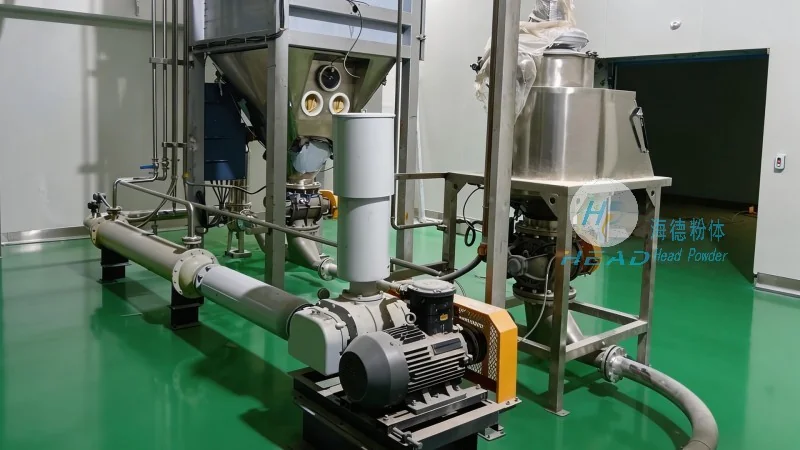
Before delving into the specifics of pneumatic conveying, it's essential to understand the primary methods used for corn flour transportation. Traditional approaches include mechanical conveyors such as belt conveyors, screw conveyors, and bucket elevators. These systems rely on mechanical force to move materials from one point to another. However, they often face limitations when dealing with fine powders like corn flour, including issues related to product degradation, blockages, and high energy consumption. In contrast, pneumatic conveying utilizes air or gas to transport materials, offering a more flexible and efficient alternative.
Pneumatic conveying systems operate by creating a pressure differential between the inlet and outlet of the system. This is typically achieved through the use of a blower or compressor that generates airflow. The corn flour is then introduced into the system, either by gravity or by a feeder, and is carried along by the moving air stream. The system can be designed as either a positive pressure system, where air is forced through the pipeline, or a negative pressure system, where air is drawn out of the system. The choice between these two depends on the specific application and the distance over which the material needs to be conveyed.
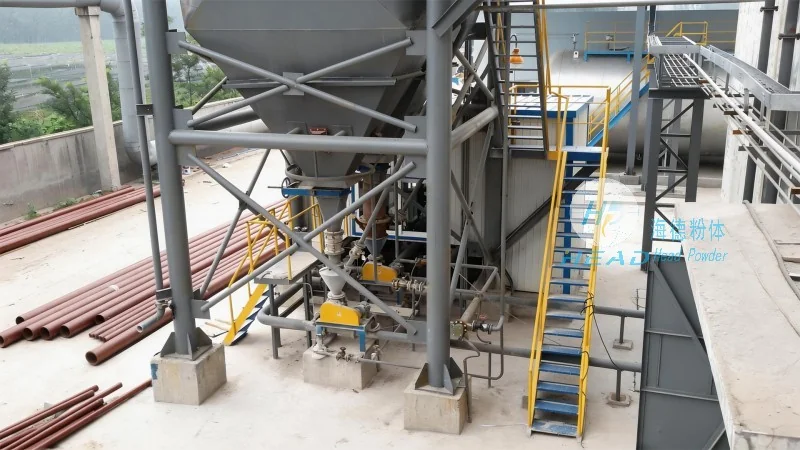
There are several key advantages that make pneumatic conveying an ideal choice for corn flour transportation. First, it offers a high degree of flexibility in terms of layout and system design. Unlike mechanical conveyors, which require fixed structures and often need to follow a specific path, pneumatic systems can be easily reconfigured to accommodate changes in production processes or facility layouts. This adaptability is particularly valuable in industries where production lines are frequently modified or expanded.
Second, pneumatic conveying provides excellent product protection. The enclosed system prevents exposure to contaminants, moisture, and dust, which can affect the quality and shelf life of corn flour. This is especially important for food-grade products where hygiene and purity are paramount. Additionally, the system minimizes product degradation by reducing friction and impact during transportation, ensuring that the corn flour maintains its original texture and nutritional value.
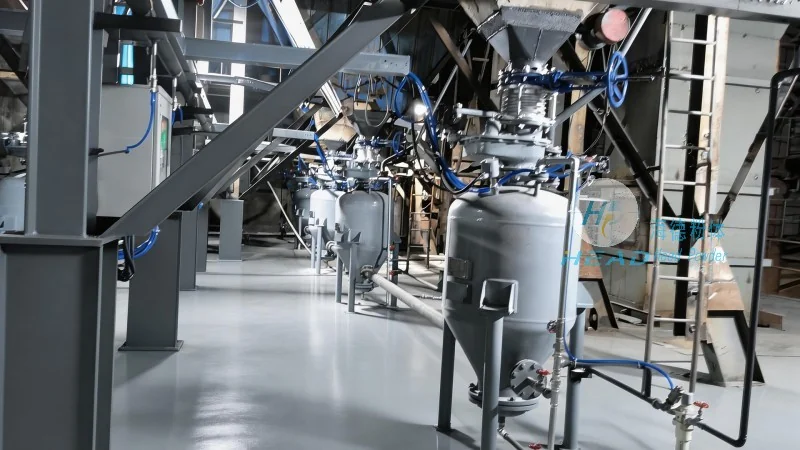
Third, pneumatic conveying is energy-efficient compared to many traditional methods. While the initial investment may be higher, the long-term operational costs are often lower due to reduced maintenance requirements and lower energy consumption. The system also allows for the integration of multiple conveying lines, enabling the simultaneous transport of different materials or the combination of different product batches without the need for additional equipment.
Fourth, pneumatic conveying systems are capable of handling a wide range of material characteristics. Whether the corn flour is dry, moist, or contains additives, the system can be adjusted to accommodate these variations. This versatility makes it suitable for various applications, from bulk handling in agricultural processing facilities to precise dosing in food manufacturing plants.
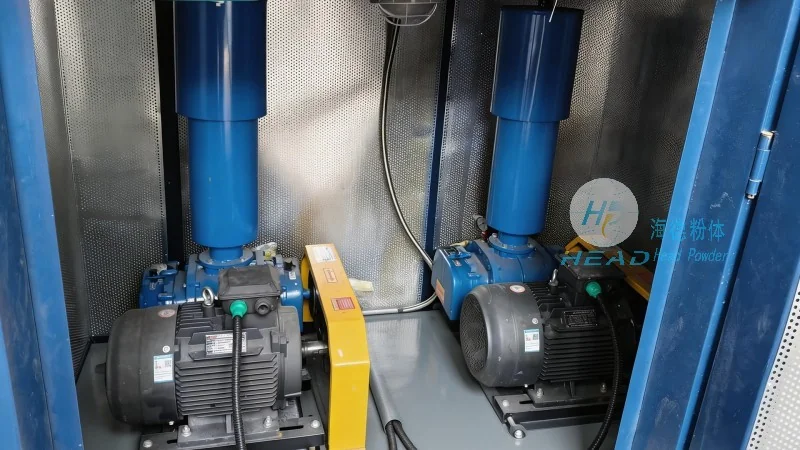
Shandong HeadPowder Engineering Co., Ltd., a leading provider of material handling solutions, specializes in designing and manufacturing high-quality pneumatic conveying systems tailored to the needs of corn flour processing industries. With years of experience in the field, HeadPowder has developed a comprehensive range of products that address the unique challenges of corn flour transportation. The company's expertise lies in understanding the specific requirements of each client, from the type of corn flour being handled to the operational constraints of the facility.
HeadPowder's pneumatic conveying systems are engineered to deliver optimal performance and reliability. By leveraging advanced technology and robust materials, the systems are designed to withstand the demands of continuous operation while maintaining efficiency and low maintenance costs. The company's commitment to quality is evident in its adherence to industry standards and its focus on customer satisfaction. Whether a client needs a new system installation or retrofitting of existing equipment, HeadPowder provides comprehensive support, including design, installation, and after-sales service.

 Shandong Headpowder Engineering Co., Ltd.
 156-6277-7102(Manager Zhang)
  0531-83386006
  Zhangqiu District, Jinan City, Shandong Province, China
telephone
WeChatconsult
top