With more than 10‑year industry experience, Shandong Headpowder delivers full‑service pneumatic‑conveying systems and blowers, undertaking nationwide turn‑key powder‑handling projects.
When it comes to transporting rice noodles, various methods are employed in the food processing industry. Among these, pneumatic conveying stands out as a highly efficient and versatile solution. This article provides an overview of different rice noodle conveying approaches, with a focus on the advantages and unique characteristics of pneumatic systems.
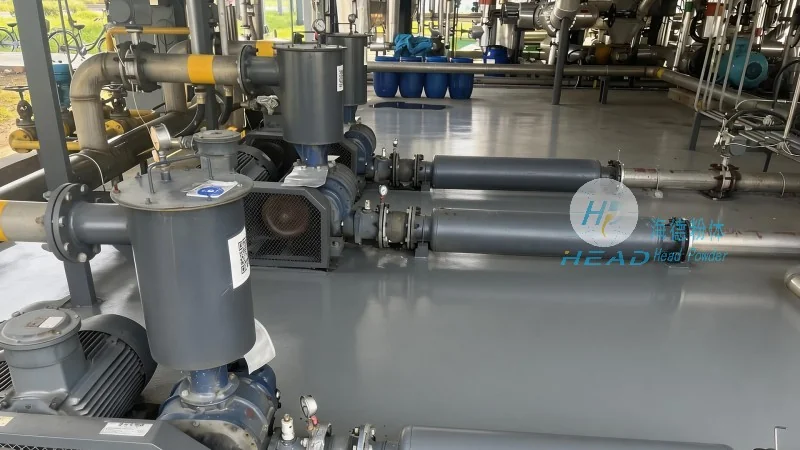
In the production and handling of rice noodles, several conventional methods are utilized. These include mechanical conveyors such as belt conveyors, screw conveyors, and bucket elevators. These systems are widely used due to their simplicity and cost-effectiveness. However, they often face challenges when dealing with delicate or sticky materials like rice noodles, which can lead to product damage or blockages. Additionally, mechanical systems may require more maintenance and have limitations in terms of vertical and horizontal transport distances.
Pneumatic conveying, also known as air conveying, is a technology that uses compressed air to transport bulk materials through a pipeline system. For rice noodles, this method offers several key advantages. Firstly, it provides a gentle and non-contact transport, minimizing the risk of breakage or deformation of the noodles. The air flow can be controlled to ensure smooth movement, preventing clogging and ensuring consistent flow rates. Secondly, pneumatic systems are highly flexible, allowing for both horizontal and vertical transport with minimal space requirements. This flexibility makes them suitable for complex production lines where multiple processing stages are integrated.
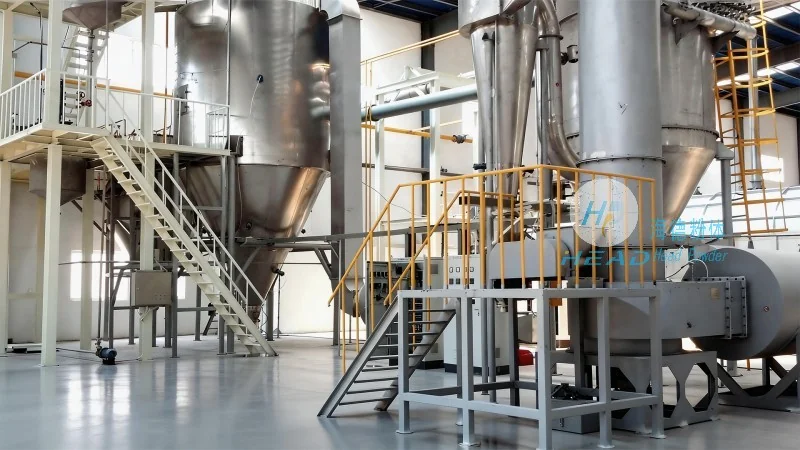
One of the most significant benefits of pneumatic conveying for rice noodles is its ability to handle sensitive products without compromising quality. Unlike mechanical conveyors that rely on physical contact, pneumatic systems use air to move materials, reducing friction and impact. This is particularly important for rice noodles, which are often delicate and require careful handling to maintain their texture and appearance. Furthermore, pneumatic conveying can be integrated with other processing equipment, such as mixers, dryers, and packaging machines, creating a seamless production flow. This integration enhances operational efficiency and reduces the need for manual handling, which is both labor-intensive and prone to errors.
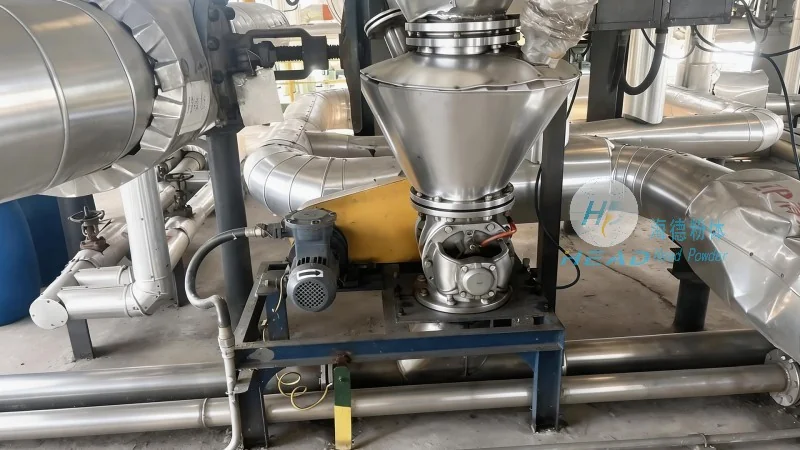
The performance of pneumatic conveying systems for rice noodles is determined by several technical factors. The choice of air velocity, pipeline diameter, and material properties all play a crucial role in ensuring optimal transport. High-velocity systems are suitable for short distances and fine materials, while low-velocity systems are preferred for longer distances and bulkier products. In the case of rice noodles, a low to medium air velocity is typically used to maintain product integrity. The system also includes components such as airlocks, cyclones, and filters to manage material flow and air quality. These components are essential for preventing product loss and maintaining a clean environment in the processing facility.
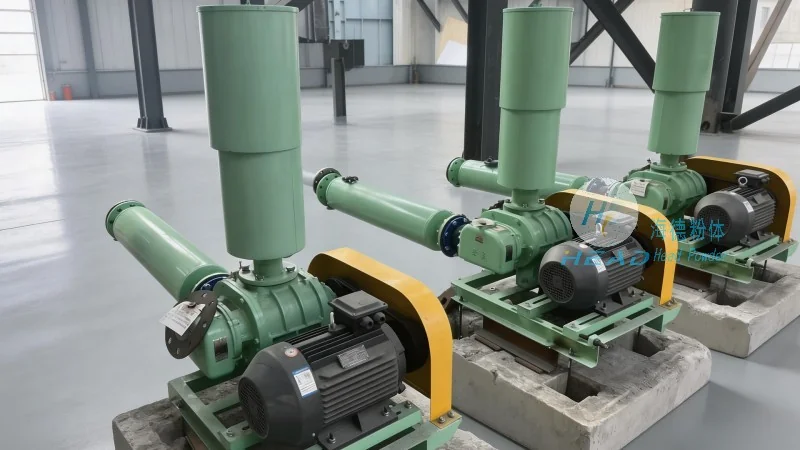
Pneumatic conveying is widely applied in various stages of rice noodle production. From raw material handling to finished product packaging, the technology enhances efficiency and product quality. For instance, in the raw material stage, pneumatic systems can transport rice flour and other ingredients from storage silos to the mixing area. During the production process, they can move partially processed noodles from one machine to another, such as from the extrusion machine to the dryer. Finally, in the packaging stage, pneumatic conveying can transfer finished rice noodles into packaging machines, ensuring a continuous and hygienic operation.
When evaluating conveying methods for rice noodles, pneumatic conveying emerges as a superior choice due to its gentle handling, flexibility, and efficiency. While mechanical systems may be suitable for some applications, they often fall short in terms of product protection and operational flexibility. For manufacturers seeking to maintain the quality and integrity of their rice noodles, pneumatic conveying systems offer a reliable and cost-effective solution. By investing in advanced pneumatic technology, companies can enhance their production processes, reduce waste, and improve overall product quality.

 Shandong Headpowder Engineering Co., Ltd.
 156-6277-7102(Manager Zhang)
  0531-83386006
  Zhangqiu District, Jinan City, Shandong Province, China
telephone
WeChatconsult
top