With more than 10‑year industry experience, Shandong Headpowder delivers full‑service pneumatic‑conveying systems and blowers, undertaking nationwide turn‑key powder‑handling projects.
Colored sand plays a pivotal role in the modern construction and decoration industry. Whether used for flooring, mosaics, artistic decor, or specialized coatings, the aesthetic appeal of colored sand relies heavily on its purity and consistent quality. However, transporting this delicate material presents significant logistical challenges. Traditional methods, such as manual handling or mechanical conveyors, often lead to dust pollution, cross-contamination between different colors, and operational inefficiencies. To address these issues, industries require robust, clean, and efficient transportation solutions. Shandong Headpowder Engineering Co., Ltd., commonly known as Headpowder, has established itself as a leader in providing specialized solutions for colored sand transport. By leveraging advanced engineering techniques, the company ensures that the integrity of the material is preserved from the source to the final application point.
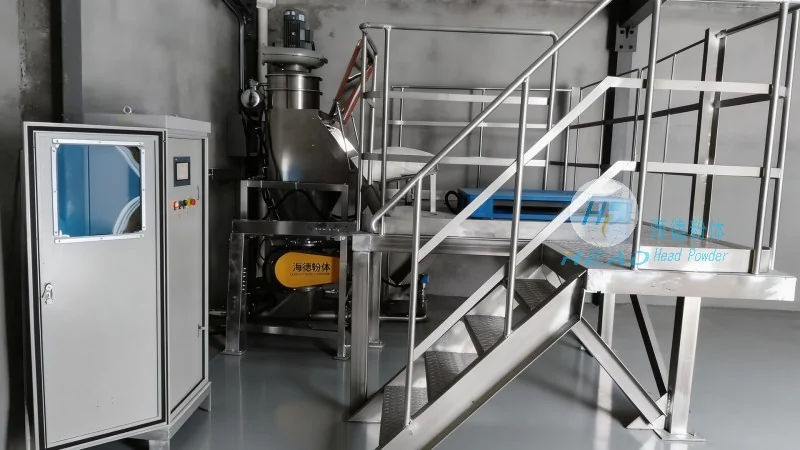
Pneumatic conveying is a method of transporting bulk materials using pressurized air or gas within a fully enclosed pipeline system. Unlike mechanical conveyors that rely on physical contact with the material, pneumatic systems use air flow to carry particles, making them ideal for sensitive materials like colored sand. The process involves feeding the material into a conveying line where it is suspended by the air stream and transported to a destination point. This method is highly versatile and can handle various flow rates and distances. The technology generally falls into two categories: positive pressure systems, where air is pushed through the line, and negative pressure systems, where air is pulled through the line. Both methods offer distinct advantages depending on the specific layout and requirements of the facility.

At the core of Headpowder's offerings is their specialized expertise in colored sand transportation. The company understands that colored sand is often fragile and prone to segregation or degradation during transit. Therefore, Headpowder designs systems that minimize abrasion and impact on the particles. Their colored sand transport systems are engineered to handle a wide variety of colors and grain sizes without cross-contamination. By utilizing advanced filtration and separation technologies, Headpowder ensures that the sand remains pure and vibrant. This is particularly crucial for high-end architectural projects where color consistency is non-negotiable. The systems are designed for continuous operation, reducing downtime and increasing the overall productivity of the processing plant.
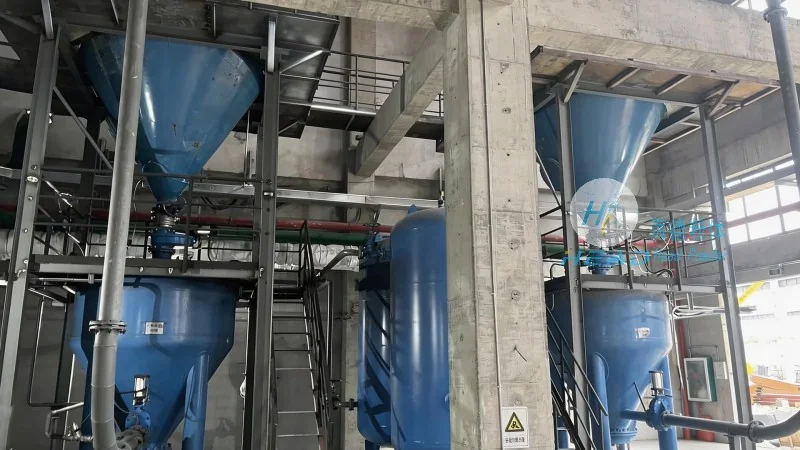
Beyond colored sand, Shandong Headpowder Engineering Co., Ltd. excels in comprehensive bulk material conveying. The company's capabilities extend to transporting a vast array of powders and granules, including cement, flour, chemicals, and other industrial powders. Their bulk material conveying systems are designed to handle the most demanding industrial environments. These systems are equipped with state-of-the-art control panels that allow for precise monitoring of flow rates, pressure, and system status. Whether the requirement is a short-distance transfer within a factory or a long-distance pipeline across a complex site, Headpowder provides scalable solutions that meet international safety and efficiency standards. The robust construction of their pipelines ensures durability and longevity, even when handling abrasive or corrosive materials.
Choosing the right partner for material transport is critical for operational success. Headpowder distinguishes itself through a commitment to quality and customer-centric service. Located in Shandong, China, the company benefits from a strategic manufacturing hub that allows for rapid prototyping and efficient delivery. Their engineering team consists of seasoned professionals who possess deep knowledge of fluid dynamics and mechanical engineering. They work closely with clients to customize systems that fit specific spatial constraints and production needs. Furthermore, Headpowder emphasizes environmental responsibility. Their pneumatic conveying systems significantly reduce dust emissions compared to open handling methods, contributing to a cleaner and safer workplace environment.
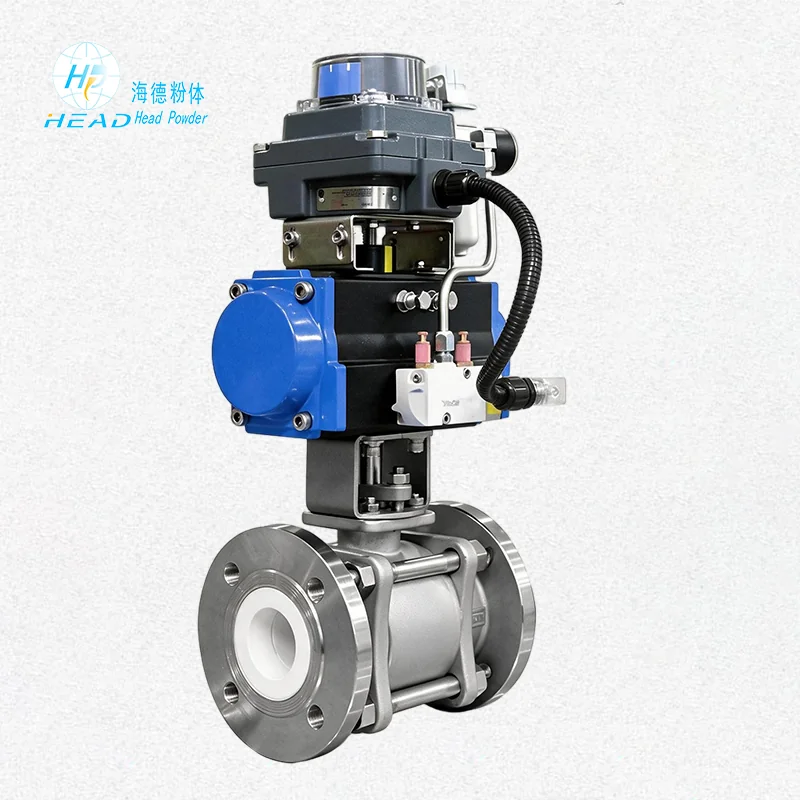
If you are looking for a reliable and efficient solution for colored sand transport or bulk material conveying, Shandong Headpowder Engineering Co., Ltd. is your trusted partner. Their team is dedicated to providing technical support and after-sales service to ensure your system operates at peak performance. For detailed consultations, project quotations, or to discuss your specific material handling requirements, please contact Manager Zhang. You can reach the team directly via WeChat at 15662777102. Headpowder is ready to help you optimize your production process with cutting-edge conveying technology.

 Shandong Headpowder Engineering Co., Ltd.
 156-6277-7102(Manager Zhang)
  0531-83386006
  Zhangqiu District, Jinan City, Shandong Province, China
telephone
WeChatconsult
top