With more than 10‑year industry experience, Shandong Headpowder delivers full‑service pneumatic‑conveying systems and blowers, undertaking nationwide turn‑key powder‑handling projects.
When it comes to handling and transporting magnesium silicate, selecting the right delivery method is crucial for efficiency, cost-effectiveness, and operational safety. Magnesium silicate, a versatile industrial material used in various applications such as refractory materials, coatings, and catalysts, requires reliable transport solutions to ensure consistent performance and minimal downtime. This article explores the primary delivery methods for magnesium silicate, with a focus on the advantages and characteristics of pneumatic conveying, a modern and efficient approach to material handling.
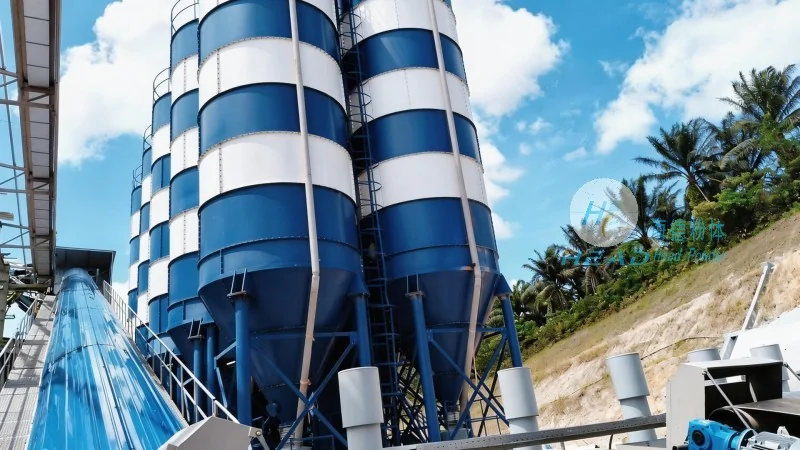
HeadPowder, a leading provider of industrial material handling solutions, specializes in optimizing the transport processes for materials like magnesium silicate. With headquarters in Shandong, China, the company leverages advanced technology and expertise to deliver tailored solutions that meet the specific needs of clients across different industries. The following sections will delve into the common delivery methods for magnesium silicate and highlight the benefits of pneumatic conveying as a preferred option.
Traditional and conventional methods for transporting bulk materials, including magnesium silicate, often involve mechanical systems like belt conveyors, screw conveyors, and bucket elevators. These methods have been widely used in industrial settings due to their simplicity and reliability. Belt conveyors, for instance, are suitable for horizontal or slightly inclined transport of bulk materials, while screw conveyors are effective for vertical or inclined movement. However, these mechanical systems may face challenges when dealing with fine or dusty materials like magnesium silicate, as they can lead to material buildup, clogging, and increased maintenance requirements. Additionally, they may not be as efficient in terms of energy consumption and space utilization compared to newer technologies.
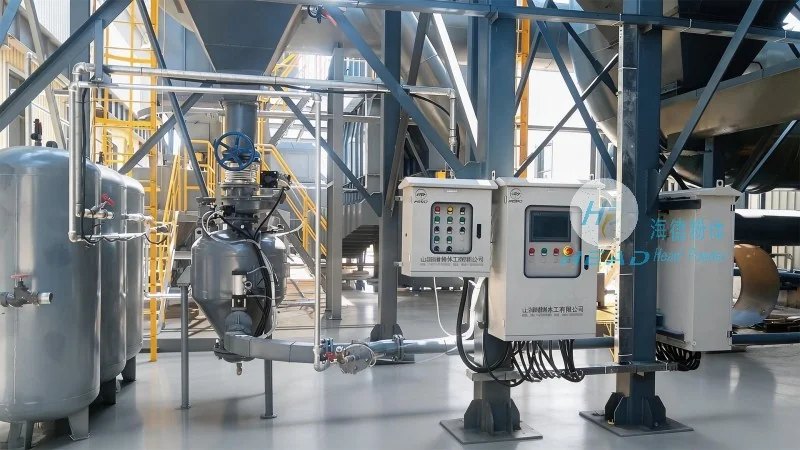
Pneumatic conveying, also known as air conveying, is a method that uses pressurized or suction air to transport bulk materials through a pipeline system. This technology offers several advantages over traditional mechanical methods, making it an ideal choice for handling magnesium silicate. One of the key benefits is its ability to transport fine powders and dusty materials without the risk of clogging or material degradation. The pressurized air stream ensures that the material is continuously moved through the pipeline, reducing the likelihood of blockages and improving overall system reliability. Furthermore, pneumatic conveying systems can be designed to handle varying material flow rates and particle sizes, providing flexibility in operation.
Another significant advantage of pneumatic conveying for magnesium silicate is its environmental friendliness. Unlike mechanical systems that may generate dust and require additional dust control measures, pneumatic conveying encloses the material in a sealed pipeline, minimizing dust emissions and improving workplace safety. This feature is particularly important for handling magnesium silicate, which can be a fine powder that poses respiratory hazards if not properly contained. The sealed system also helps in maintaining the quality of the material, preventing contamination from external sources and preserving its properties for downstream applications.
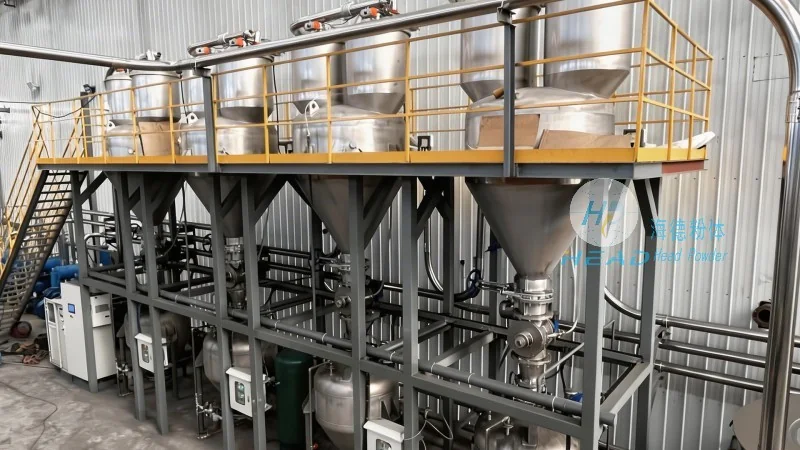
When considering pneumatic conveying for magnesium silicate, several key characteristics contribute to its effectiveness and suitability. First, the system's flexibility allows for easy integration with existing production lines and can be customized to fit specific space constraints. This adaptability is crucial for industrial facilities that may have limited room for new equipment installations. Second, the energy efficiency of pneumatic conveying systems is notable, as they can transport materials over long distances with relatively low energy consumption compared to other methods. This translates to cost savings for businesses operating on a tight budget while maintaining high throughput rates.
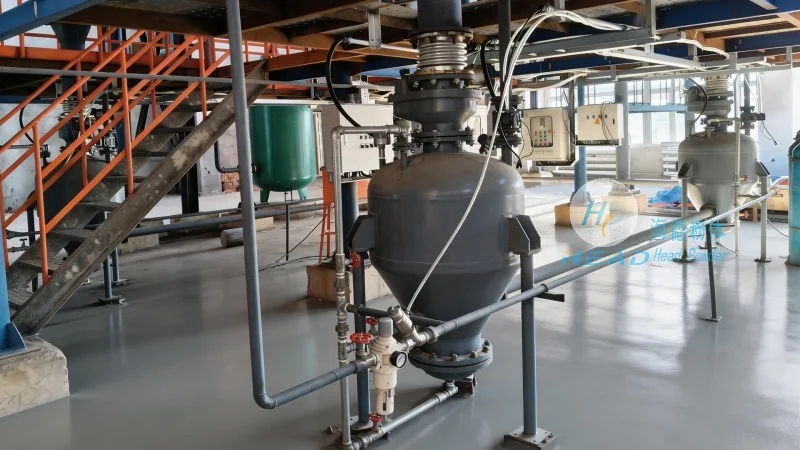
Third, the maintenance requirements for pneumatic conveying systems are generally lower than those of mechanical systems. The absence of moving parts in the pipeline reduces the risk of wear and tear, and the system's design minimizes the need for frequent repairs or replacements. This leads to reduced downtime and lower maintenance costs over the system's lifespan. Additionally, pneumatic conveying systems are easy to clean and maintain, as the enclosed pipeline can be flushed or cleaned without disrupting the entire operation. This is particularly beneficial for handling materials like magnesium silicate, which may require regular cleaning to prevent material buildup and ensure consistent performance.
In conclusion, the choice of delivery method for magnesium silicate depends on various factors, including the material's properties, the required transport distance, and the operational environment. While traditional mechanical systems like belt and screw conveyors remain viable options, pneumatic conveying emerges as a superior choice for its efficiency, flexibility, and environmental benefits. HeadPowder, with its expertise in industrial material handling, offers tailored pneumatic conveying solutions that address the specific needs of clients, ensuring reliable and cost-effective transport of magnesium silicate. By leveraging advanced technology and a deep understanding of material behavior, HeadPowder helps businesses optimize their operations and achieve higher productivity in handling magnesium silicate.

 Shandong Headpowder Engineering Co., Ltd.
 156-6277-7102(Manager Zhang)
  0531-83386006
  Zhangqiu District, Jinan City, Shandong Province, China
telephone
WeChatconsult
top