With more than 10‑year industry experience, Shandong Headpowder delivers full‑service pneumatic‑conveying systems and blowers, undertaking nationwide turn‑key powder‑handling projects.
Aluminum oxide, a widely used industrial material in sectors such as ceramics, refractories, and chemical processing, requires efficient and reliable transport systems to move it from production sites to processing facilities. The choice of conveying method significantly impacts operational efficiency, material integrity, and overall cost-effectiveness. This article explores various aluminum oxide conveying methods, with a particular focus on the advantages and characteristics of pneumatic conveying, a technology that has become increasingly popular in modern material handling.
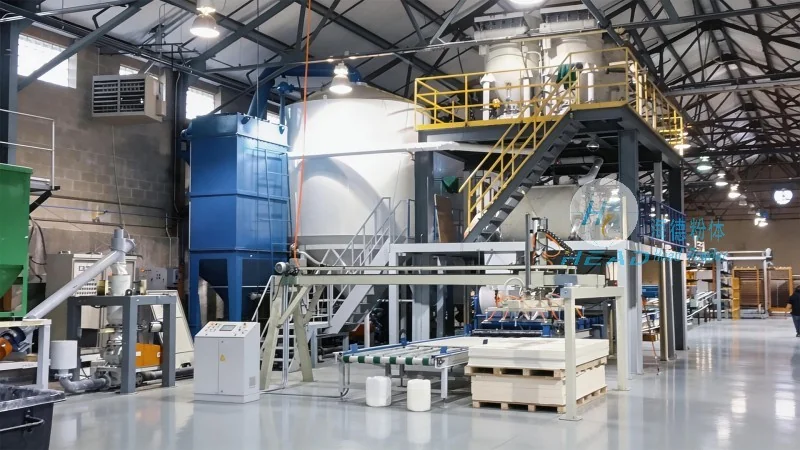
Aluminum oxide, also known as alumina, is a high-purity oxide of aluminum with excellent thermal stability and chemical resistance. Its fine powder form, often with particle sizes ranging from sub-micron to several microns, presents unique challenges in transportation. Traditional methods like belt conveyors or bucket elevators may cause material degradation, dust generation, and increased maintenance costs due to the abrasive nature of the powder. Therefore, specialized conveying systems are essential to ensure the safe and efficient movement of aluminum oxide.
Several methods are employed for aluminum oxide transport, each with its own set of applications and limitations. The primary options include:
Among the available options, pneumatic conveying stands out as the most effective and versatile method for aluminum oxide transport. Developed and manufactured by companies like Shandong HeadPowder Engineering Co., Ltd., specialized pneumatic conveying systems offer several key advantages that address the unique challenges of handling alumina.
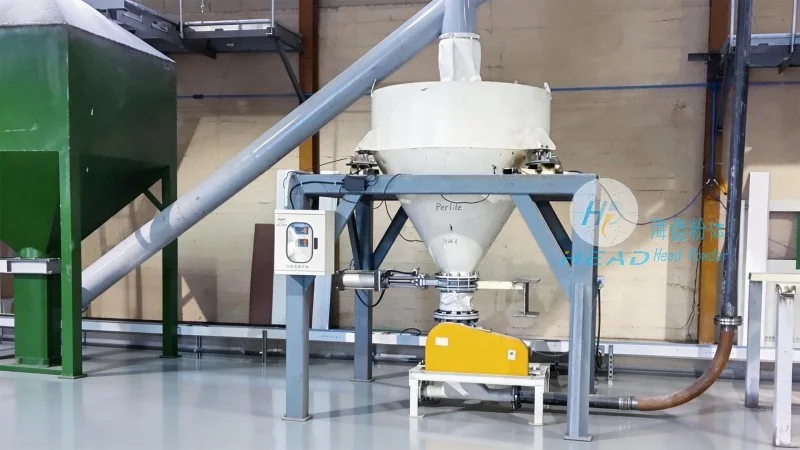
One of the primary benefits of pneumatic conveying is its ability to handle fine, abrasive powders without causing degradation or segregation. The system uses a combination of positive and negative pressure to move material through a sealed pipeline, minimizing dust emissions and ensuring material integrity. This is particularly important for aluminum oxide, which is often used in high-value applications where purity and consistency are critical.
Another advantage is the flexibility of pneumatic conveying systems. They can be designed to accommodate varying material flow rates, from low to high capacities, and can be integrated with other processing equipment, such as storage silos and mixers. The modular nature of these systems allows for easy expansion or modification as production needs change.
Energy efficiency is also a significant consideration. Modern pneumatic conveying systems, particularly those using low-pressure or vacuum technologies, consume less energy compared to traditional mechanical methods. This results in lower operational costs and reduced environmental impact, making them an attractive choice for companies focused on sustainability.

Furthermore, pneumatic conveying systems provide better control over material flow and can be equipped with advanced monitoring and control systems. This allows operators to track material levels, detect blockages, and adjust conveying parameters in real-time, enhancing overall process reliability and reducing downtime.
When selecting a pneumatic conveying system for aluminum oxide, several key features should be considered to ensure optimal performance. These include:
For companies dealing with aluminum oxide, selecting the appropriate conveying method is crucial to optimizing operational efficiency and maintaining material quality. While mechanical and hydraulic methods have their uses, pneumatic conveying offers superior performance, flexibility, and cost-effectiveness for handling fine, abrasive powders. Companies like Shandong HeadPowder Engineering Co., Ltd. specialize in designing and manufacturing customized pneumatic conveying systems tailored to the specific needs of aluminum oxide applications, ensuring reliable and efficient material transport from source to destination.

 Shandong Headpowder Engineering Co., Ltd.
 156-6277-7102(Manager Zhang)
  0531-83386006
  Zhangqiu District, Jinan City, Shandong Province, China
telephone
WeChatconsult
top