With more than 10‑year industry experience, Shandong Headpowder delivers full‑service pneumatic‑conveying systems and blowers, undertaking nationwide turn‑key powder‑handling projects.
Zircon sand is a critical raw material in various high-tech industries, including ceramics, refractories, foundries, and the production of opacifiers. Due to its high hardness, high density, and excellent chemical stability, zircon sand is widely used as an additive to enhance the strength, thermal shock resistance, and opacity of the final product. However, the physical properties of zircon sand also present significant challenges during the handling process. Its abrasive nature can wear down standard equipment, and its tendency to generate dust requires strict containment measures. Consequently, selecting the right method for zircon sand conveying is essential for maintaining production efficiency, ensuring product quality, and minimizing operational costs. In the realm of industrial material handling, the focus is often on finding a balance between throughput and equipment longevity.
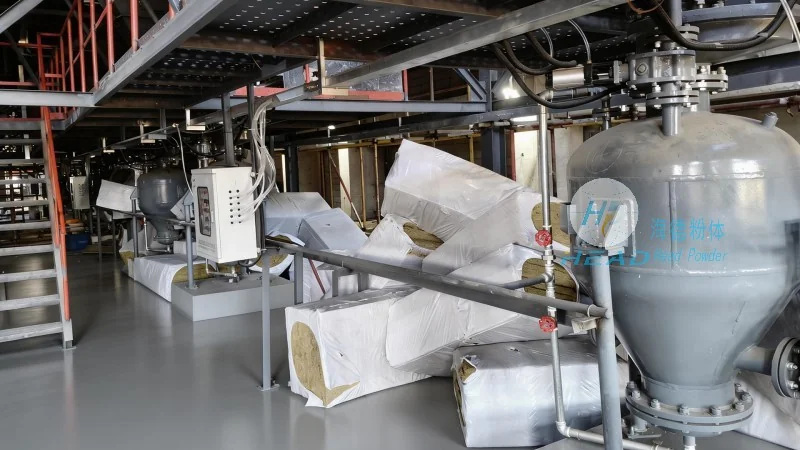
When discussing the logistics of moving this valuable mineral, the term zircon sand conveying encompasses a range of technologies designed to move bulk solids from one location to another. The goal is to transfer the material without compromising its integrity or the cleanliness of the surrounding environment. Traditional methods often fall short when dealing with the specific nuances of zircon sand, leading many manufacturers to seek more advanced solutions. This is where specialized engineering comes into play, ensuring that the transport system is tailored to the specific characteristics of the material being moved.
Among the various technologies available, zircon sand pneumatic conveying has emerged as a preferred method for many industries. This technology uses a stream of air to transport the zircon sand through a closed pipeline system. Unlike mechanical conveyors, such as screw feeders or belt conveyors, pneumatic conveying systems are fully enclosed. This enclosure is crucial for zircon sand, as it prevents dust emissions, protects the material from moisture contamination, and ensures that the fine particles do not escape into the workplace. The process involves generating pressure or vacuum within the system to move the material from a storage silo or hopper to the point of use.
There are two primary types of pneumatic conveying systems used for zircon sand: dilute phase and dense phase. Dilute phase conveying operates at high velocities and low pressures. This method is suitable for shorter distances and when the material is not extremely fragile. However, because the air velocity is high, there is a greater risk of attrition, meaning the zircon sand particles may fracture or break down during transit. This can be detrimental for applications where particle size distribution is critical.
In contrast, dense phase conveying operates at lower velocities and higher pressures. This method uses plugs of material pushed by air, which significantly reduces the impact on the zircon sand particles. For zircon sand, which is relatively dense and abrasive, dense phase systems are often the better choice for longer distances. They minimize wear on the pipeline and reduce the energy consumption required to move the material. By optimizing the air-to-material ratio, engineers can create a smooth, efficient flow that preserves the quality of the zircon sand from start to finish.
The selection of a pneumatic system for zircon sand conveying offers several distinct advantages over traditional mechanical methods. One of the most significant benefits is the reduction of dust and pollution. Zircon sand dust can be hazardous to worker health and can settle on sensitive electronic equipment in the plant. A fully enclosed pneumatic system eliminates these risks by keeping the material contained within the piping. This creates a safer working environment and ensures compliance with environmental regulations regarding particulate emissions.
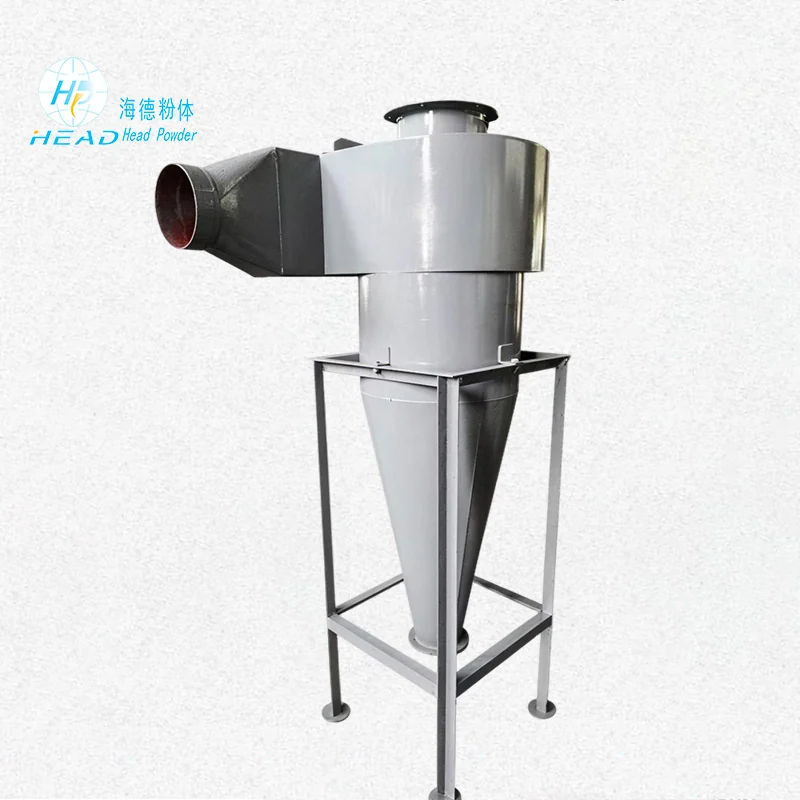
Another advantage is the flexibility of the layout. Pneumatic conveying lines can be routed through existing buildings, around obstacles, and through ceilings with relative ease. This flexibility allows manufacturers to design the system without having to tear down walls or reconfigure the entire plant floor. Furthermore, because the system is closed, the risk of cross-contamination is virtually eliminated. If a plant processes multiple types of materials, separate lines can be used to prevent mix-ups, ensuring the purity of each batch of zircon sand.
From a maintenance perspective, pneumatic systems generally have fewer moving parts compared to screw conveyors or bucket elevators. This reduces the frequency of breakdowns and the associated downtime. The primary components, such as the pressure vessel and the filters, are robust and designed for heavy-duty industrial use. Regular maintenance is still required, but the overall reliability of a well-designed pneumatic system is high, providing consistent and uninterrupted service for the production line.
Implementing a successful zircon sand conveying system requires deep technical expertise and a thorough understanding of the material's behavior. This is where specialized engineering companies play a pivotal role. Shandong Headpowder Engineering Co., Ltd. is a company dedicated to providing top-tier solutions for industrial material handling. As a leading provider in the field, Headpowder specializes in the design, manufacturing, and installation of advanced conveying systems tailored to the specific needs of their clients.
Headpowder understands that every facility is unique. A one-size-fits-all approach does not work in industrial material conveying. Therefore, the company focuses on customized engineering solutions. Whether the requirement is for a small-scale batch transfer or a large continuous flow across a complex facility, the engineering team at Headpowder analyzes the specific parameters of the project. This includes the distance the material needs to travel, the elevation changes, the required throughput rate, and the environmental conditions of the plant.
The company’s expertise extends to all aspects of the system. They provide comprehensive design services, ensuring that the pipeline diameters, air compressor sizes, and filter selections are perfectly matched to the application. By leveraging state-of-the-art simulation software and years of practical experience, Headpowder ensures that the resulting system is not only efficient but also cost-effective. Their commitment to quality means that every component used in their systems is selected for its durability and performance, specifically addressing the abrasive nature of zircon sand.
When designing a system for zircon sand, it is vital to account for the material's specific physical properties. Zircon sand is known for its high wear resistance, which can be beneficial in some contexts but poses a threat to standard piping materials. Headpowder engineers select high-grade, wear-resistant alloys and polymers for the piping system to ensure longevity. They also consider the moisture content of the sand, as high humidity can cause bridging or clogging in hoppers. By incorporating specialized valves and airlocks, they prevent these common issues and ensure a steady flow of material.
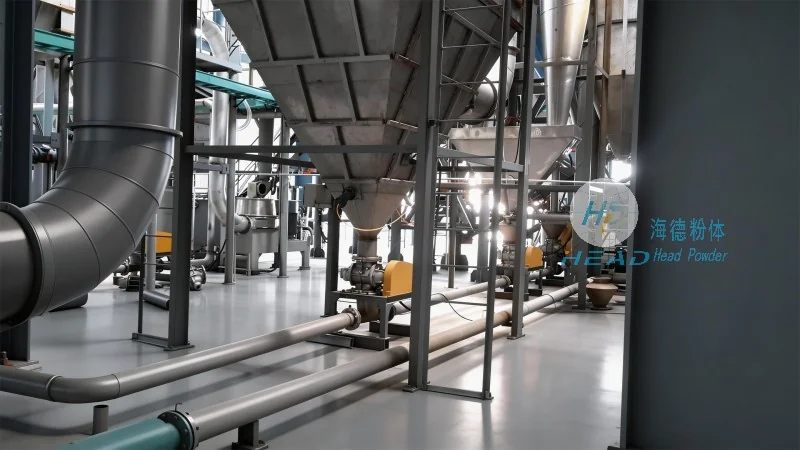
Furthermore, the control systems integrated into Headpowder's solutions are designed for ease of use and reliability. Modern pneumatic conveying systems are often equipped with PLC (Programmable Logic Controller) systems that allow for automated operation. This means that the system can be monitored and adjusted remotely, reducing the need for manual intervention. The systems are designed to be energy-efficient, optimizing the air pressure to deliver the material without wasting power. This focus on efficiency helps clients reduce their operational costs while maintaining high production levels.
The efficiency of a production line is often dictated by the reliability of its material handling processes. Delays in the supply of raw materials can halt operations, while inefficient conveyance can lead to bottlenecks. By investing in a professional zircon sand conveying system, manufacturers can ensure a seamless supply of raw materials to the processing equipment. This reliability is crucial for maintaining consistent product quality and meeting strict production schedules.
Moreover, a well-designed system contributes to the overall safety and organization of the plant. By removing the need for manual scooping or open containers, the system minimizes the risk of accidents and creates a cleaner, more organized workspace. This is particularly important in industries where safety standards are paramount. The ability to automate the transfer of zircon sand allows operators to focus on other critical tasks, improving overall productivity.
For businesses looking to upgrade their material handling infrastructure or implement a new zircon sand conveying system, expert consultation is the first step. Shandong Headpowder Engineering Co., Ltd. is ready to assist with technical discussions, system design, and project execution. Their team of experienced engineers is equipped to handle projects of any scale, providing the support needed to achieve optimal results.
If you are interested in learning more about how Headpowder can optimize your material conveying processes, please contact their team directly. You may reach out to Manager Zhang, who is available to discuss your specific requirements and provide detailed quotations. To connect with the team, please add their WeChat account: 15662777102. Headpowder is committed to providing superior engineering solutions that drive efficiency and reliability in your operations.

 Shandong Headpowder Engineering Co., Ltd.
 156-6277-7102(Manager Zhang)
  0531-83386006
  Zhangqiu District, Jinan City, Shandong Province, China
telephone
WeChatconsult
top