

Working Principle and Characteristics of Gelatin Powder Conveying
Understanding the working principle and characteristics of gelatin powder conveying is crucial for industries that rely on efficient material handling systems. This article provides an in-depth look at how gelatin powder is transported, the mechanisms involved, and the key attributes that define effective conveying solutions.

Introduction to Gelatin Powder Conveying
Gelatin powder, a versatile ingredient widely used in food, pharmaceutical, and cosmetic industries, requires specialized handling due to its hygroscopic nature and fine particle size. Conveying systems for gelatin powder must address challenges such as dust generation, caking, and material flow control to ensure consistent performance and product quality. The following sections explore the fundamental working principles and distinctive features of gelatin powder conveying systems.
Working Principle of Gelatin Powder Conveying
The core working principle of gelatin powder conveying involves the use of mechanical or pneumatic systems to transport fine particles from a source to a destination. Mechanical conveying systems typically rely on screw conveyors, belt conveyors, or bucket elevators, which utilize mechanical energy to move the material. Pneumatic conveying, on the other hand, employs air pressure to transport the powder through a pipeline network. Both methods aim to maintain the integrity of the gelatin powder while ensuring efficient and reliable transport.
In mechanical conveying, screw conveyors are commonly used for horizontal or slight incline transport. The rotating screw (or auger) pushes the powder forward, creating a continuous flow. This method is effective for handling dry, free-flowing powders but may cause particle degradation if the screw speed is too high. For gelatin powder, which can be sensitive to mechanical stress, slower screw speeds and smooth surfaces are often recommended to minimize degradation.
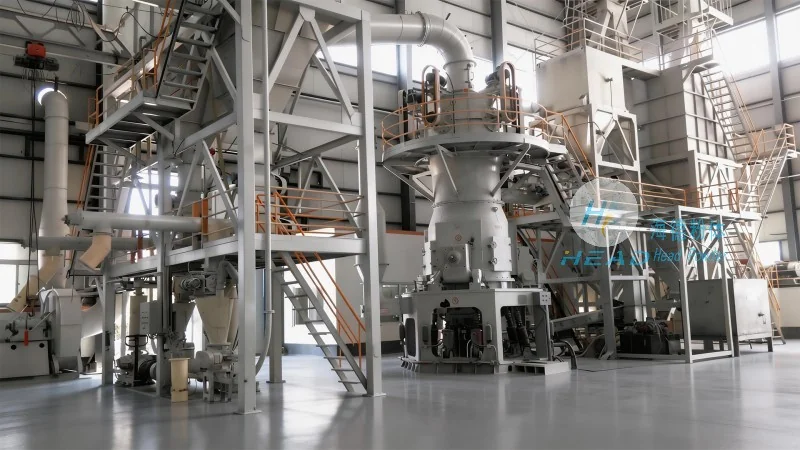
Pneumatic conveying systems, including pressure and vacuum types, offer flexibility in transporting gelatin powder over longer distances and through complex layouts. Pressure systems use compressed air to push the powder through the pipeline, while vacuum systems use suction to draw the material. The choice between pressure and vacuum depends on factors like the distance to be covered, the volume of material, and the need to handle dust or fine particles. For gelatin powder, which is prone to caking, vacuum systems are often preferred as they can reduce the risk of material buildup and ensure smoother flow.
Key Characteristics of Gelatin Powder Conveying Systems
Effective gelatin powder conveying systems exhibit several key characteristics that enhance performance and reliability. These include material handling efficiency, system durability, and adaptability to varying production needs. Each characteristic plays a vital role in ensuring consistent and high-quality transport of gelatin powder.
Firstly, material handling efficiency is a critical characteristic. This refers to the system's ability to transport a large volume of gelatin powder with minimal energy consumption and downtime. High-efficiency conveying systems use optimized designs, such as variable speed drives and adjustable screw pitch, to maintain consistent flow rates. For example, variable speed screw conveyors can adjust the speed based on the material's flow properties, ensuring optimal performance even with changes in gelatin powder moisture content or particle size.
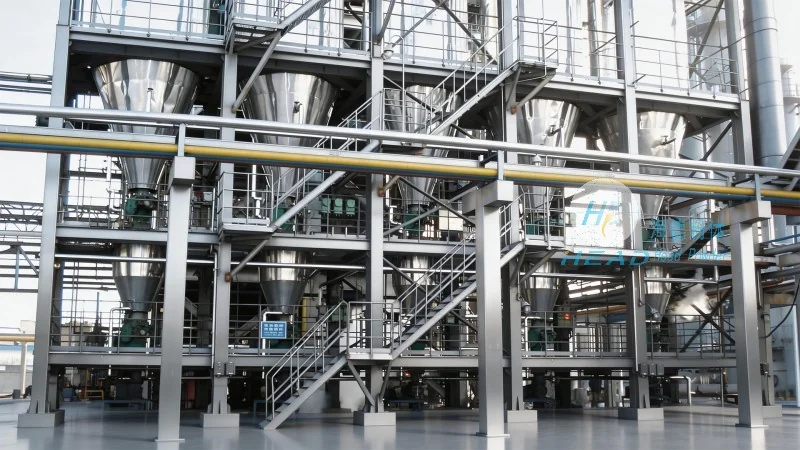
Secondly, system durability is essential for long-term operation, especially in industrial environments where equipment is subject to frequent use and potential contamination. Gelatin powder conveying systems are often constructed with materials resistant to corrosion and wear, such as stainless steel or coated components. This durability ensures that the system can withstand the hygroscopic nature of gelatin powder, which can cause moisture absorption and material buildup over time. Additionally, features like self-cleaning mechanisms and easy maintenance access contribute to the overall longevity of the system.
Thirdly, adaptability is a key characteristic that allows gelatin powder conveying systems to meet diverse production requirements. Modern systems often include modular components that can be easily reconfigured to handle different powder types or production volumes. For instance, a pneumatic conveying system may have adjustable air flow rates and pipeline configurations to accommodate changes in gelatin powder batch sizes. This adaptability is particularly valuable in industries where product lines or production scales are subject to frequent changes.
Company Overview: Shandong HeadPowder Engineering Co., Ltd.
Shandong HeadPowder Engineering Co., Ltd., commonly known as HeadPowder, is a leading provider of specialized powder handling solutions, including gelatin powder conveying systems. With a focus on innovation and customer-centric design, HeadPowder has established itself as a trusted partner for industries requiring reliable and efficient material transport solutions. The company's expertise lies in developing customized conveying systems that address the unique challenges of handling gelatin powder and other fine materials.
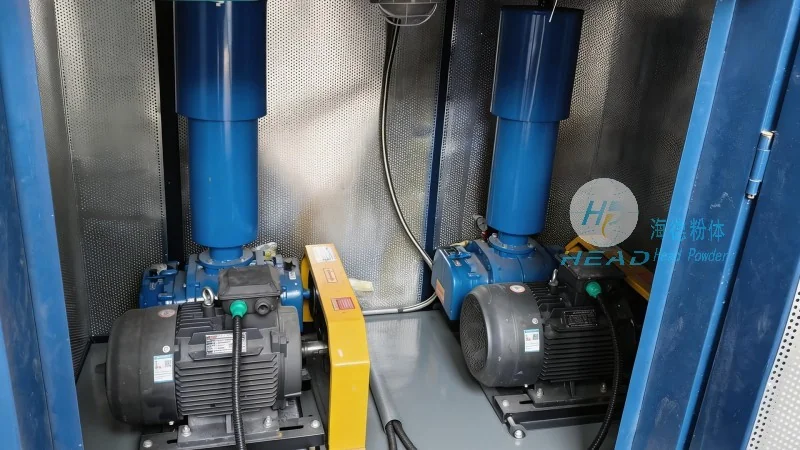
HeadPowder's commitment to quality and performance is reflected in its manufacturing processes and product design. The company utilizes advanced engineering techniques and rigorous testing protocols to ensure that its gelatin powder conveying systems meet industry standards and customer expectations. By leveraging years of experience in the powder handling industry, HeadPowder continuously improves its products to deliver superior performance and durability.
HeadPowder's operations are based in Shandong, China, where the company has established a strong presence in the industrial sector. The company's facility in Shandong is equipped with state-of-the-art manufacturing equipment and a skilled workforce dedicated to producing high-quality conveying systems. This local presence allows HeadPowder to provide timely support and maintenance services to its clients, ensuring that their gelatin powder conveying systems operate at peak efficiency.
Conclusion
In conclusion, understanding the working principle and characteristics of gelatin powder conveying is essential for optimizing material handling in industries that use gelatin powder. Mechanical and pneumatic conveying systems offer effective solutions, each with its own advantages and considerations. Key characteristics such as efficiency, durability, and adaptability are critical for ensuring reliable performance. Companies like Shandong HeadPowder Engineering Co., Ltd. play a vital role in providing customized and high-quality conveying systems that meet the specific needs of their clients. By leveraging advanced technology and expert knowledge, these systems help industries maintain product quality, reduce operational costs, and enhance overall productivity.