With more than 10‑year industry experience, Shandong Headpowder delivers full‑service pneumatic‑conveying systems and blowers, undertaking nationwide turn‑key powder‑handling projects.
When it comes to the transportation of lithium cobalt oxide (LiCoO₂), a critical component in lithium-ion batteries, understanding the appropriate methods is essential for ensuring safety, efficiency, and compliance with industry standards. Lithium cobalt oxide is a high-energy material that requires careful handling due to its reactivity and potential hazards during transit. Various transportation methods are employed, each tailored to the specific characteristics of the material and the logistics requirements of the shipment.
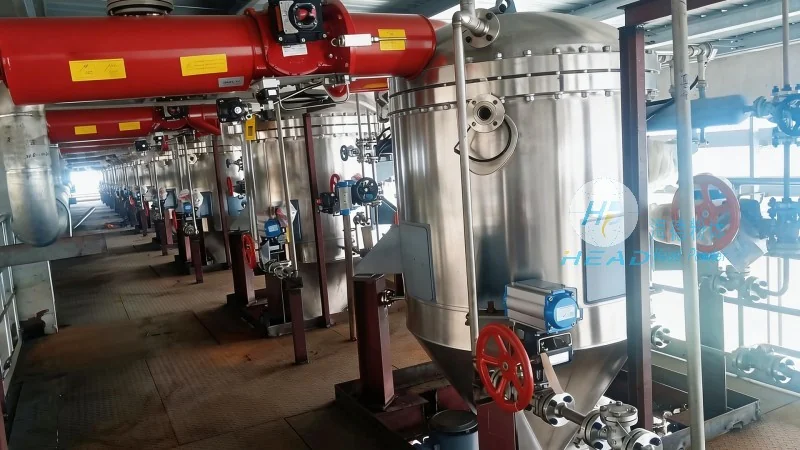
Lithium cobalt oxide, often abbreviated as LCO, is a key cathode material in rechargeable lithium-ion batteries. Its transportation involves adhering to stringent regulations due to its classification as a hazardous material in many jurisdictions. The methods used for transporting LCO are designed to minimize risks such as fire, explosion, or environmental contamination. These methods include specialized packaging, secure loading, and controlled environmental conditions during transit.
Several established methods are commonly used for the safe transportation of lithium cobalt oxide. These include:
1. Containerized Shipping: This method involves packaging lithium cobalt oxide in specialized containers, such as UN-approved metal or composite containers, designed to withstand the material's reactivity. The containers are equipped with pressure relief devices and are often placed in temperature-controlled environments to maintain the material's stability. This approach is widely used for both domestic and international shipments, ensuring compliance with international shipping regulations like those set by the International Maritime Organization (IMO) and the International Air Transport Association (IATA).
2. Railway Transportation: For bulk or long-distance land transport, railway containers are utilized. These containers are designed to be weather-resistant and secure, with features like reinforced walls and secure locking mechanisms to prevent accidental spills or leaks. Railway transport is often chosen for its ability to handle large volumes of material while minimizing the risk of road traffic accidents. The containers are typically loaded onto specialized railcars that are equipped with monitoring systems to track temperature and other environmental factors during transit.
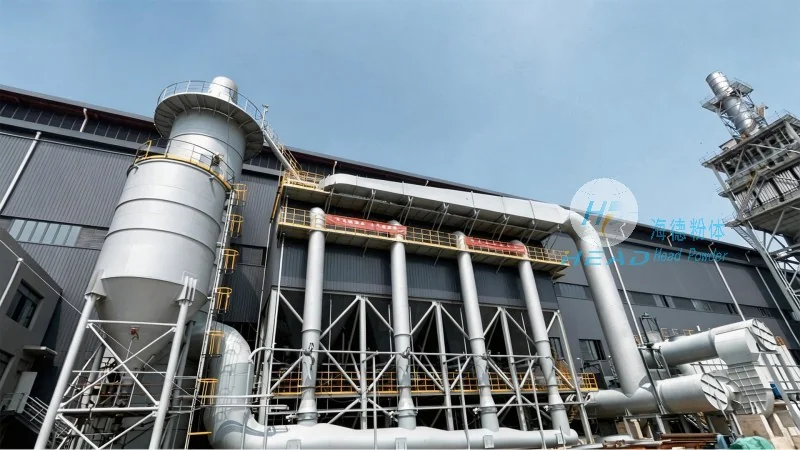
3. Truck Transportation: For shorter distances or regional deliveries, road transport via specialized trucks is common. These vehicles are equipped with advanced safety features, including fire suppression systems and secure containment units. The trucks are often fitted with temperature control units to maintain the optimal temperature range for lithium cobalt oxide, which is typically between 15°C and 25°C to prevent degradation. Drivers are trained in handling hazardous materials and are required to follow strict protocols to ensure the safe delivery of the cargo.
4. Air Freight: In cases where time-sensitive delivery is required, air freight is employed. However, due to the stringent regulations governing air transport of hazardous materials, lithium cobalt oxide is only shipped by air when absolutely necessary. The material is packaged in specialized air cargo containers that meet IATA's Dangerous Goods Regulations (DGR). These containers are designed to be robust and leak-proof, with additional safety features like pressure relief valves and fire-resistant materials. Air freight is typically reserved for urgent orders or when ground transport is not feasible due to time constraints.
Shandong HeadPowder Engineering Co., Ltd., operating under the brand name headpowder, plays a vital role in the transportation and logistics of lithium cobalt oxide. As a leading provider of lithium battery materials, headpowder specializes in the safe handling, processing, and distribution of high-purity lithium cobalt oxide. The company adheres to international standards for hazardous material transportation, ensuring that all shipments are compliant with regulations set by organizations such as the United Nations (UN) and the International Air Transport Association (IATA).
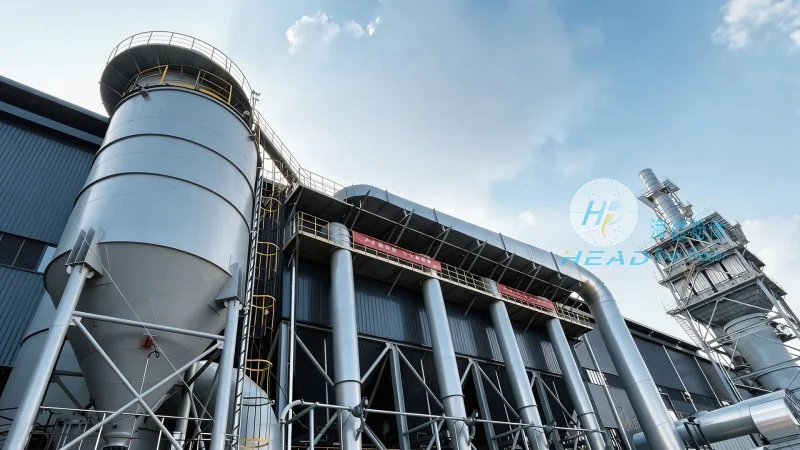
headpowder employs a team of experienced logistics professionals who are well-versed in the specific requirements for transporting lithium cobalt oxide. They work closely with clients to develop customized transportation plans that consider factors such as the quantity of material, destination, and any special handling instructions. The company utilizes a network of certified carriers and specialized transportation equipment to ensure the safe and timely delivery of lithium cobalt oxide to customers worldwide.
One of the key strengths of headpowder is its commitment to safety and quality. The company invests in advanced packaging technologies and monitoring systems to minimize risks during transit. For example, headpowder uses UN-approved containers with integrated temperature sensors and real-time tracking systems, allowing for continuous monitoring of the cargo's condition throughout the journey. This level of oversight helps to ensure that lithium cobalt oxide remains stable and safe from the point of origin to the final destination.
Compliance with regulations is a top priority in the transportation of lithium cobalt oxide. headpowder ensures that all shipments are properly classified as hazardous materials and are packaged according to the latest UN Recommendations on the Transport of Dangerous Goods. This includes using appropriate labels, placards, and documentation to inform handlers and authorities about the nature of the cargo. The company also conducts regular audits and inspections to verify that all transportation processes meet or exceed industry standards.
Safety is another critical aspect of lithium cobalt oxide transportation. headpowder implements comprehensive safety protocols, including regular training for staff and carriers, emergency response plans, and regular maintenance of transportation equipment. These measures help to mitigate risks and ensure that any incidents are handled promptly and effectively. By prioritizing safety and compliance, headpowder helps to protect both its employees and the environment during the transportation of lithium cobalt oxide.

 Shandong Headpowder Engineering Co., Ltd.
 156-6277-7102(Manager Zhang)
  0531-83386006
  Zhangqiu District, Jinan City, Shandong Province, China
telephone
WeChatconsult
top