With more than 10‑year industry experience, Shandong Headpowder delivers full‑service pneumatic‑conveying systems and blowers, undertaking nationwide turn‑key powder‑handling projects.
Rice flour, a critical component in numerous food products, demands efficient and reliable conveying systems to ensure seamless production workflows. The selection of a conveying method hinges on factors such as material characteristics, production scale, and operational environment. Understanding the diverse approaches to rice flour transportation is essential for optimizing processes and preserving product quality. In this article, we explore the primary methods used for rice flour transportation, highlighting their applications and benefits.
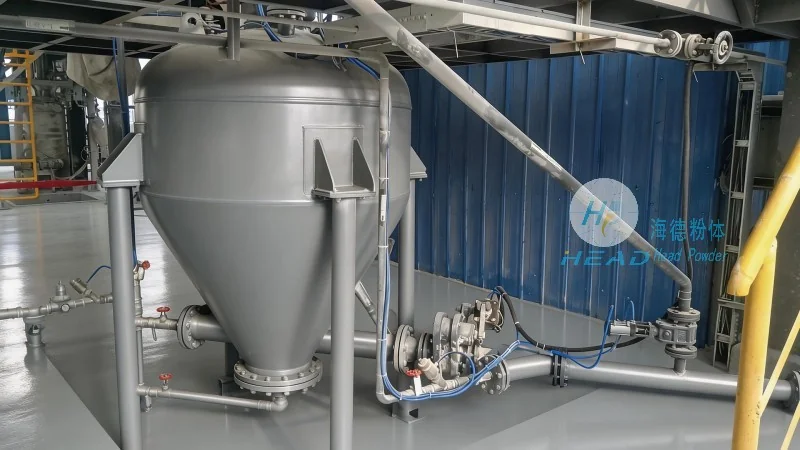
Shandong HeadPowder Engineering Co., Ltd., a leading manufacturer headquartered in China, specializes in delivering tailored conveying solutions for the food processing industry. With years of experience, HeadPowder integrates advanced technology with practical design to meet the unique handling needs of rice flour. The company’s commitment to quality and operational efficiency has established it as a trusted partner for businesses seeking reliable conveying systems. HeadPowder’s team of engineers and technicians collaborate closely with clients to develop customized solutions that enhance productivity and reduce operational costs.
Several methods are commonly employed for rice flour conveying, each with distinct advantages and applications. The primary approaches include mechanical conveyors, pneumatic (air) conveyors, and bucket elevators. Mechanical conveyors, such as belt conveyors and screw conveyors, are widely used for horizontal or slight incline transport. These systems are suitable for bulk material handling and are relatively low-cost to install and maintain. Belt conveyors, for instance, utilize a continuous belt to move rice flour from one point to another, making them ideal for long-distance horizontal transport. Screw conveyors, on the other hand, employ a rotating screw to push material forward, offering a compact design that fits into limited spaces.
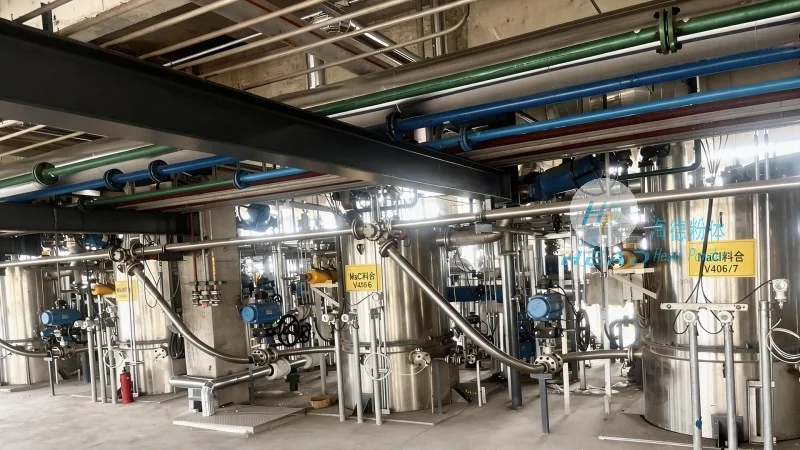
Pneumatic conveying, or air conveying, is another popular method for rice flour transport. This technique employs air pressure to move material through a pipeline. There are two main types: pressure and vacuum systems. Pressure systems force air and material through the pipeline, while vacuum systems draw material into the system using a vacuum. Pneumatic conveyors are particularly effective for handling fine powders like rice flour, as they minimize product degradation and contamination. They also enable vertical and horizontal transport, making them versatile for various production setups. However, pneumatic systems require careful design to prevent material buildup and ensure consistent airflow. HeadPowder offers advanced pneumatic conveying solutions that optimize air usage and maintain material integrity.
For vertical transport of rice flour, bucket elevators are a common choice. These systems consist of a vertical or inclined conveyor with buckets attached to a chain or belt. As the conveyor rotates, the buckets scoop up the material and lift it to the desired height. Bucket elevators are highly efficient for vertical transport and can handle large volumes of material. They are often integrated with other conveying systems to create a complete material handling line. The design of bucket elevators allows for gentle handling of rice flour, reducing the risk of product damage. HeadPowder’s bucket elevators are engineered with durable materials and precise mechanisms to ensure reliable performance in rice flour processing plants.
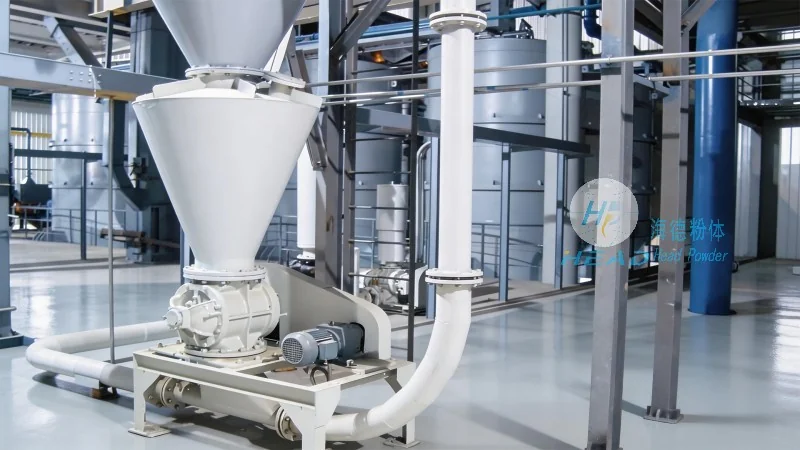
When selecting a conveying method for rice flour, several factors must be considered to ensure optimal performance. The first is the material's physical properties, including particle size, moisture content, and flowability. Rice flour is a fine powder, which can lead to issues like caking or bridging in traditional conveyors. Therefore, systems that minimize friction and maintain consistent flow are preferred. The second factor is the production scale and throughput requirements. Large-scale operations may require high-capacity conveyors, while smaller facilities might opt for more compact solutions. The third consideration is the operational environment, including space constraints and the need for hygiene compliance. Food processing facilities often require conveyors that are easy to clean and maintain, preventing cross-contamination. HeadPowder’s conveying systems are designed with these factors in mind, offering flexible and adaptable solutions that meet diverse production needs.
HeadPowder understands that each rice flour processing facility has unique requirements. The company provides customized conveying solutions tailored to specific applications. This includes selecting the appropriate conveyor type, material, and dimensions based on the client's production volume and operational constraints. HeadPowder's engineers conduct thorough assessments of the production process to identify bottlenecks and optimize the conveying system. By integrating advanced control systems and monitoring tools, HeadPowder ensures that the conveying process is efficient and reliable. The company also offers maintenance and support services to keep the systems running smoothly, minimizing downtime and maximizing productivity. Clients can rely on HeadPowder's expertise to enhance their rice flour handling capabilities and improve overall operational efficiency.

 Shandong Headpowder Engineering Co., Ltd.
 156-6277-7102(Manager Zhang)
  0531-83386006
  Zhangqiu District, Jinan City, Shandong Province, China
telephone
WeChatconsult
top