With more than 10‑year industry experience, Shandong Headpowder delivers full‑service pneumatic‑conveying systems and blowers, undertaking nationwide turn‑key powder‑handling projects.
Sugar powder conveying is a critical process in the food and chemical industries, ensuring the efficient and safe transportation of granular sugar from storage to processing units. Understanding the working principle and key characteristics of such systems is essential for optimizing production lines and maintaining product quality. This article explores the fundamental mechanisms behind sugar powder conveying and highlights the distinctive features that make modern systems effective.
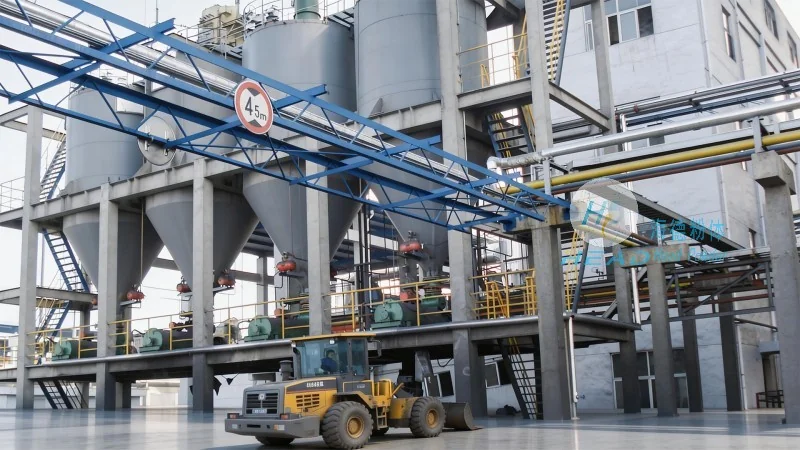
The core working principle of sugar powder conveying systems revolves around the movement of granular sugar through a pipeline using various mechanisms. The most common methods include pneumatic conveying, mechanical screw conveyors, and bucket elevators. Pneumatic conveying, for instance, utilizes air pressure to transport sugar particles through a sealed pipeline. This method is particularly effective for handling fine powders and can achieve high conveying rates while minimizing product degradation. In contrast, mechanical screw conveyors rely on rotating screws to push sugar through a tube, offering a more direct and energy-efficient solution for bulk material transport. The choice of mechanism depends on factors such as the sugar's particle size, moisture content, and the required conveying distance.
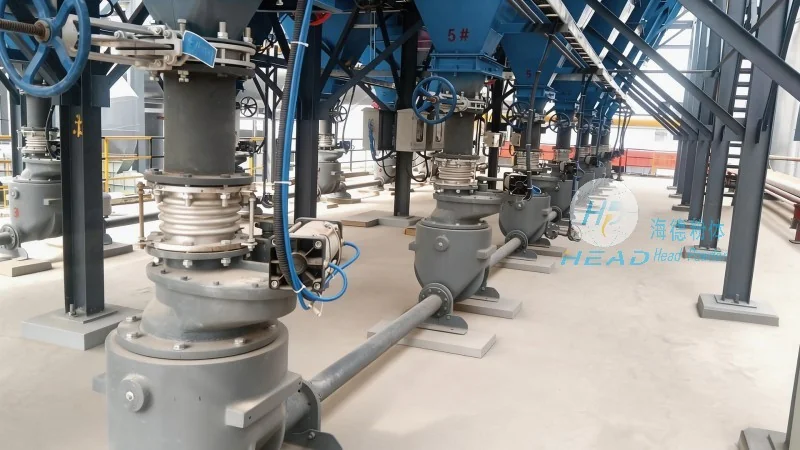
Modern sugar powder conveying systems exhibit several notable characteristics that enhance their performance and reliability. One of the primary features is their ability to maintain product integrity, preventing contamination or agglomeration during transport. This is achieved through well-designed pipelines, air filtration systems, and controlled flow rates. Another critical characteristic is the system's adaptability to varying production demands. Many contemporary systems are equipped with variable speed drives and adjustable pressure controls, allowing operators to modulate conveying rates in response to changing production schedules. Additionally, these systems often incorporate advanced monitoring and control technologies, such as sensors and automation software, to ensure consistent operation and detect potential issues in real-time.
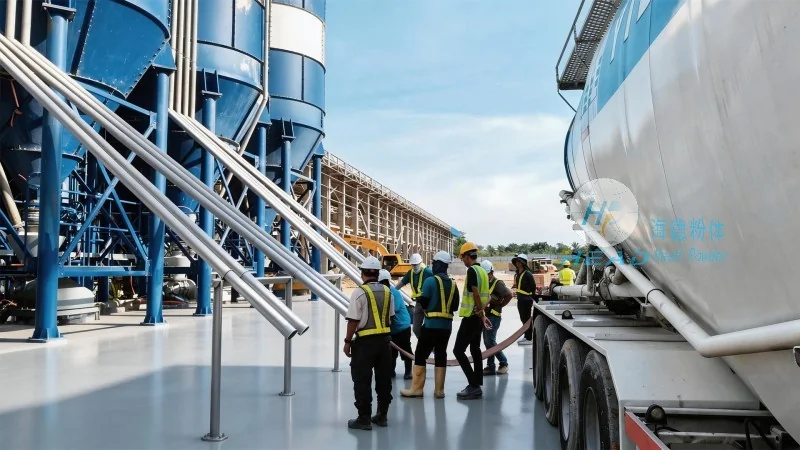
Efficiency and safety are paramount in sugar powder conveying operations. The design of the system must minimize energy consumption while maximizing throughput. For example, pneumatic conveying systems can be optimized by selecting the appropriate air velocity and pipeline diameter to balance conveying speed and energy use. Safety features, such as explosion-proof components and dust suppression systems, are also integral to preventing accidents in environments where sugar dust is present. Furthermore, the use of closed-loop systems helps maintain a controlled environment, reducing the risk of cross-contamination and ensuring compliance with food safety regulations. These considerations are vital for industries where product quality and operational safety are non-negotiable.
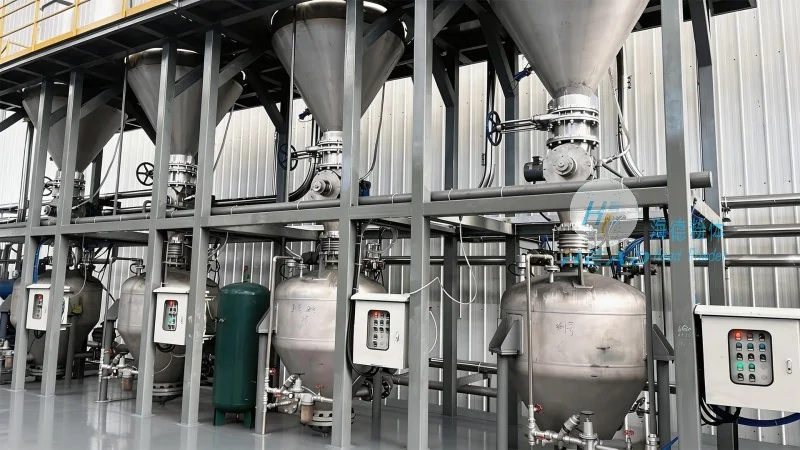
Shandong HeadPowder Engineering Co., Ltd., operating under the brand name headpowder, is a leading provider of specialized engineering solutions for powder handling and conveying systems. With a focus on innovation and customer-centric design, the company has developed advanced technologies tailored to the unique challenges of sugar and other fine powders. HeadPowder's expertise lies in designing and manufacturing systems that combine efficiency, reliability, and safety, meeting the stringent requirements of the food and chemical sectors. Based in Shandong, China, the company leverages its local presence and industry knowledge to deliver tailored solutions that enhance production processes and support business growth.

 Shandong Headpowder Engineering Co., Ltd.
 156-6277-7102(Manager Zhang)
  0531-83386006
  Zhangqiu District, Jinan City, Shandong Province, China
telephone
WeChatconsult
top