With more than 10‑year industry experience, Shandong Headpowder delivers full‑service pneumatic‑conveying systems and blowers, undertaking nationwide turn‑key powder‑handling projects.
When designing a cassava pneumatic conveying system, several critical factors must be considered to ensure efficient operation, reliability, and cost-effectiveness. This article outlines key design considerations for such systems, emphasizing practical solutions tailored to the unique characteristics of cassava and the operational requirements of processing facilities.

The first step in designing a cassava pneumatic conveying system is selecting the appropriate system type based on the material's properties and the conveying distance. Cassava, with its high moisture content and abrasive nature, requires specialized equipment to prevent degradation and equipment wear. HeadPowder Engineering Co., Ltd., a leading provider in this field, emphasizes the importance of matching the system's design to the material's flow characteristics. For instance, dense-phase conveying is often preferred for cassava to minimize particle breakage and reduce wear on components. The company's expertise in material handling ensures that the chosen system type optimizes both performance and longevity.
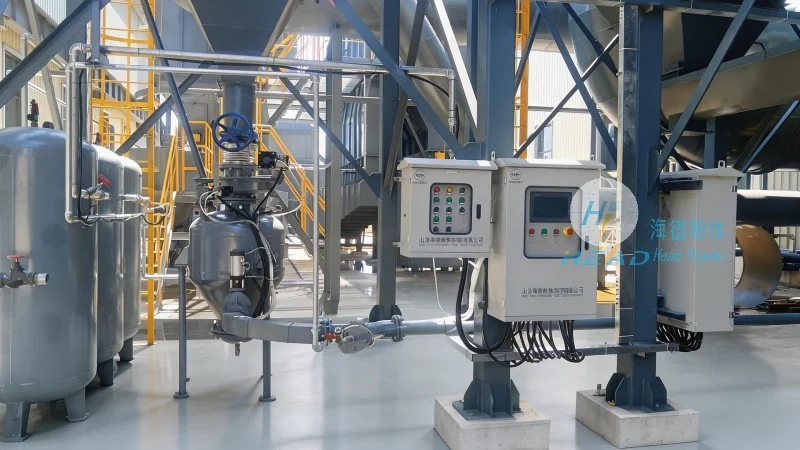
Proper pipeline design is crucial for maintaining consistent flow rates and pressure levels throughout the conveying process. The diameter and length of the pipeline must be carefully calculated to accommodate the specific volume and density of cassava being transported. HeadPowder's engineers use advanced computational fluid dynamics (CFD) and empirical formulas to determine optimal pipe sizes, ensuring that the system operates within safe pressure limits while minimizing energy consumption. Additionally, the material of construction for the pipeline is critical; stainless steel or high-grade plastic is commonly used to withstand the abrasive nature of cassava and prevent contamination. The company's design process includes thorough stress analysis and vibration checks to prevent pipeline failure and ensure smooth operation.
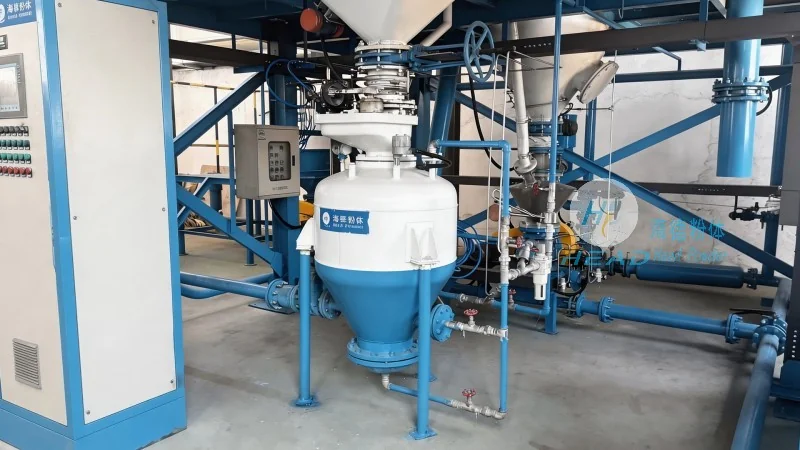
The air source and pressure control system are central to the performance of a pneumatic conveying system. For cassava, a high-pressure blower or compressor is typically required to generate sufficient airflow to move the material through the pipeline. HeadPowder recommends using positive displacement blowers, which provide consistent pressure and volume, even at low flow rates. The pressure control system must be capable of maintaining stable pressure levels, as fluctuations can lead to uneven material distribution and increased wear on equipment. The company's systems incorporate advanced pressure sensors and feedback mechanisms to automatically adjust air pressure, ensuring optimal performance under varying load conditions. This approach not only enhances efficiency but also extends the lifespan of the air source equipment.
Choosing the right equipment for each stage of the conveying process is essential for a reliable system. HeadPowder offers a range of components, including feeders, cyclones, and filters, specifically designed for cassava handling. The feeders must be capable of handling the bulk density and flow characteristics of cassava without clogging or overloading. Cyclones are used for material separation and cleaning, and their design must account for the size and density of cassava particles to ensure effective separation. The company's engineers consider the entire system integration, ensuring that each component works in harmony to achieve the desired conveying efficiency. For example, the placement of cyclones and filters is optimized to minimize pressure drop and maximize material recovery. This holistic approach to equipment selection ensures that the system operates at peak performance and meets the specific needs of the processing facility.
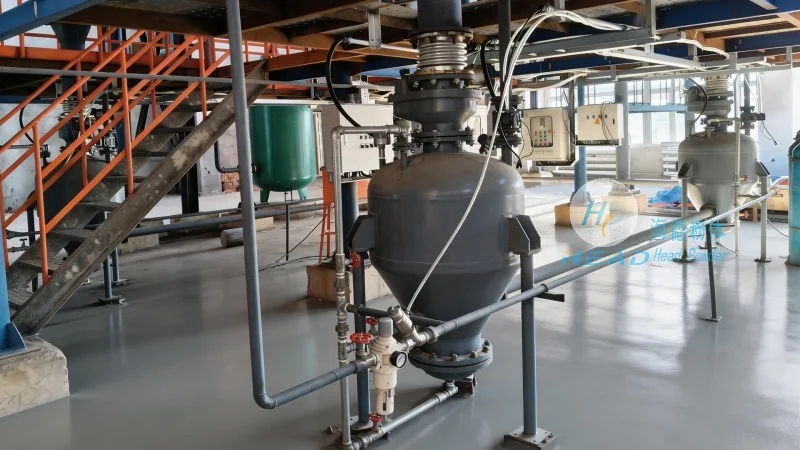
Maintenance and safety are critical aspects of pneumatic conveying system design. HeadPowder emphasizes regular maintenance schedules to prevent equipment failure and ensure long-term reliability. This includes routine checks of air source performance, pipeline integrity, and component wear. The company's systems are designed with safety features such as pressure relief valves and emergency shut-off mechanisms to protect operators and equipment from potential hazards. Additionally, the use of non-toxic and non-flammable air sources is recommended to comply with safety regulations and prevent fire risks. By prioritizing maintenance and safety, HeadPowder ensures that the cassava pneumatic conveying system operates safely and efficiently, minimizing downtime and maximizing productivity.

 Shandong Headpowder Engineering Co., Ltd.
 156-6277-7102(Manager Zhang)
  0531-83386006
  Zhangqiu District, Jinan City, Shandong Province, China
telephone
WeChatconsult
top