With more than 10‑year industry experience, Shandong Headpowder delivers full‑service pneumatic‑conveying systems and blowers, undertaking nationwide turn‑key powder‑handling projects.
HeadPowder, a leading engineering company based in Shandong, China, specializes in advanced pneumatic conveying solutions for the fertilizer industry. This article provides an in-depth overview of granular fertilizer pneumatic conveying technology, covering its fundamental principles, practical applications, and emerging trends in the field.
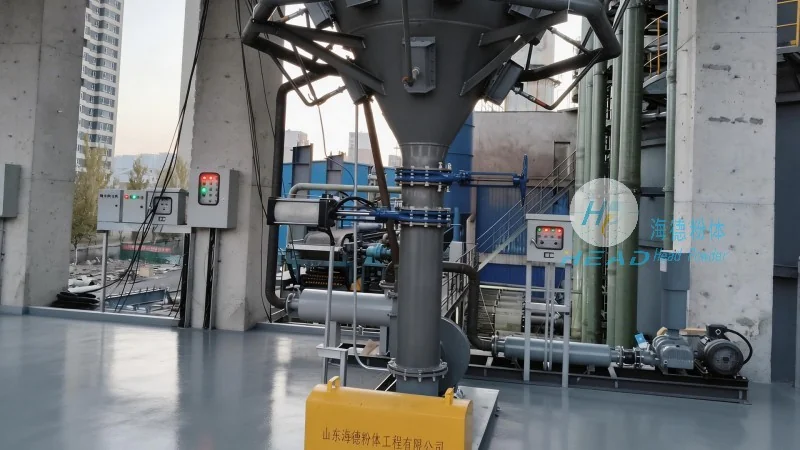
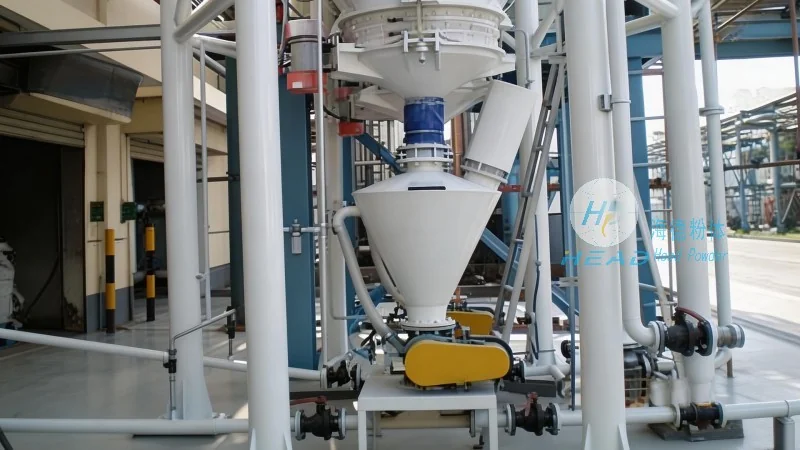
Pneumatic conveying is a method that uses compressed air to transport bulk materials like granular fertilizers through a pipeline system. The core principle involves creating a pressure differential to move the material from the source to the destination. There are two main types of pneumatic conveying systems: pressure and vacuum. Pressure systems use positive pressure to push the material, while vacuum systems use negative pressure to pull it. For granular fertilizers, pressure systems are often preferred due to their ability to handle high material loads and maintain consistent flow rates. The system typically consists of a hopper, a rotary valve, a conveying line, and a receiver. The hopper stores the fertilizer, and the rotary valve controls the feed rate. Compressed air is introduced into the conveying line, creating a flow that carries the fertilizer particles. The receiver collects the material at the end of the line. Key factors in the design include air velocity, material properties, and pipeline length. Proper air velocity is crucial to prevent material settling or blockages. The material's density, particle size, and moisture content also affect the conveying efficiency. For example, fine granular fertilizers may require higher air velocities to maintain flow, while larger particles can be conveyed at lower velocities.
Granular fertilizer pneumatic conveying technology is widely used in various stages of fertilizer production and distribution. In manufacturing plants, it is employed to transport raw materials from storage silos to processing units, such as granulation or mixing. This ensures a continuous and efficient supply of raw materials, reducing downtime and improving production throughput. During the granulation process, pneumatic conveying can transport the granulated product from the dryer to the screening and packaging areas. This method minimizes material handling and contamination risks, as the material is kept within a closed system. In storage facilities, the technology is used to move fertilizer from bulk storage silos to loading trucks or storage bins. This is particularly useful for large-scale operations where manual handling is impractical. The closed system also helps maintain product quality by preventing exposure to moisture or contaminants. Additionally, pneumatic conveying is used in the distribution phase, where fertilizer is transported from the production plant to regional warehouses or directly to farms. This method allows for efficient and safe delivery, especially for bulk quantities. The technology is also applicable in blending operations, where different fertilizer components are mixed to create customized formulations. The ability to handle various particle sizes and compositions makes it suitable for these applications.
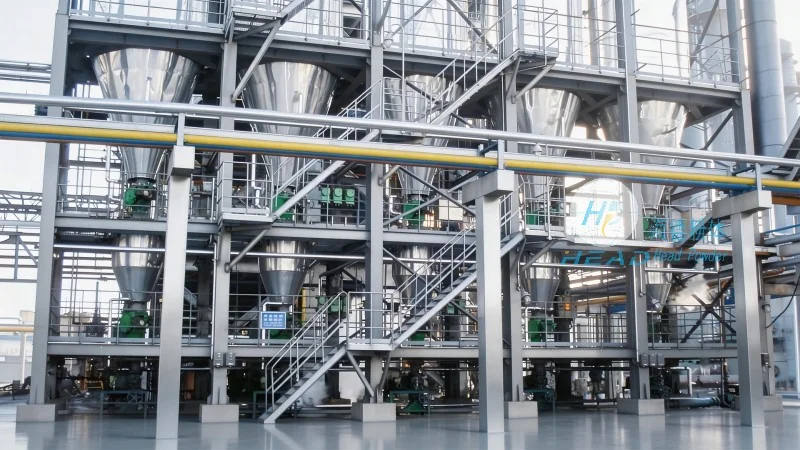
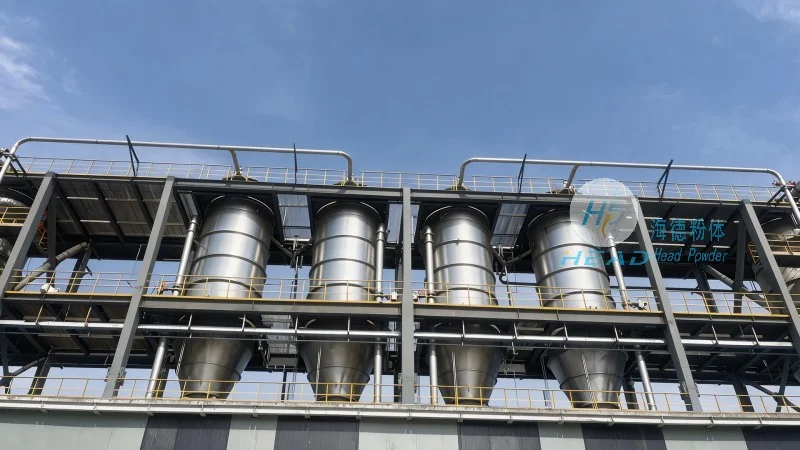
The field of granular fertilizer pneumatic conveying is continuously evolving, driven by technological advancements and industry demands. One key trend is the integration of automation and control systems. Modern pneumatic conveying systems now incorporate advanced sensors and control panels that monitor air pressure, flow rate, and material level in real-time. This allows for precise control and optimization of the conveying process, reducing energy consumption and improving efficiency. Another trend is the use of high-efficiency air compressors and energy recovery systems. These technologies help reduce operational costs by minimizing energy waste and maximizing the use of compressed air. For instance, variable frequency drives (VFDs) can adjust the air compressor speed based on the conveying demand, leading to significant energy savings. Additionally, energy recovery systems capture and reuse compressed air, further enhancing the system's efficiency. The adoption of sustainable materials and practices is also a growing trend. Companies are increasingly using eco-friendly materials for the conveying equipment, such as corrosion-resistant stainless steel or recycled components. This not only reduces environmental impact but also extends the equipment's lifespan. Furthermore, the development of smart sensors and IoT (Internet of Things) technologies enables remote monitoring and predictive maintenance. This allows operators to detect potential issues before they cause system failures, reducing downtime and maintenance costs. The future of granular fertilizer pneumatic conveying is likely to see more integration with digital technologies, such as artificial intelligence and machine learning. These technologies can analyze operational data to optimize system performance and predict maintenance needs, leading to more efficient and reliable operations. As the fertilizer industry continues to grow and demand for sustainable solutions increases, the development of advanced pneumatic conveying systems will play a crucial role in meeting these challenges.

 Shandong Headpowder Engineering Co., Ltd.
 156-6277-7102(Manager Zhang)
  0531-83386006
  Zhangqiu District, Jinan City, Shandong Province, China
telephone
WeChatconsult
top