With more than 10‑year industry experience, Shandong Headpowder delivers full‑service pneumatic‑conveying systems and blowers, undertaking nationwide turn‑key powder‑handling projects.
HeadPowder, also known as Shandong HeadPowder Engineering Co., Ltd., is a professional enterprise based in Shandong, China, specializing in the research, development, and application of biomass powder pneumatic conveying technology. The company focuses on providing efficient and reliable solutions for the transportation of biomass powders, which are widely used in various industries such as biomass energy, biofuels, and agricultural processing.

Biomass powder pneumatic conveying is a method that uses compressed air or other gas to transport dry powders, including biomass materials like wood chips, straw, and other agricultural residues. The core principle involves creating a flow of air that carries the powder particles through a pipeline system. This process typically includes several key components: a feeding device to introduce the powder into the system, a conveying line where the powder is transported, and a discharge device to release the material at the destination. The system operates by generating a pressure differential, either through suction (negative pressure) or pressure (positive pressure), to move the powder particles. The choice between suction and pressure systems depends on factors like the distance, material characteristics, and system layout. In suction systems, the air is drawn through the pipeline, pulling the powder along with it, while pressure systems push the powder through the line using compressed air. The efficiency of the conveying process is influenced by parameters such as air velocity, particle size, and moisture content of the biomass material. Proper design of the conveying system ensures that the powder is transported without clogging or degradation, maintaining the quality of the biomass feedstock.
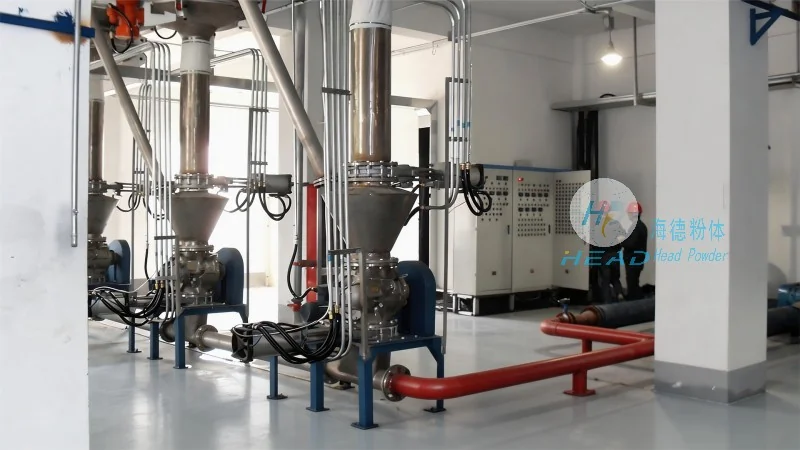
Biomass powder pneumatic conveying technology is widely applied in multiple sectors due to its ability to handle various types of biomass materials efficiently. In the biomass energy industry, it is used to transport raw materials like wood chips, sawdust, and straw from storage facilities to processing plants, where they are converted into biofuels or electricity. The technology is also crucial in biofuel production, where it facilitates the movement of biomass powders from grinding and drying stages to the next processing steps, such as pyrolysis or gasification. In agricultural processing, pneumatic conveying is employed to transport processed biomass materials, like pellets or granules, from production lines to storage or packaging areas. Additionally, in the chemical and pharmaceutical industries, similar conveying systems are used to handle biomass-derived powders for further processing or as raw materials. The versatility of the technology allows it to adapt to different material properties and operational requirements, making it a preferred choice for industries seeking reliable and efficient powder handling solutions.
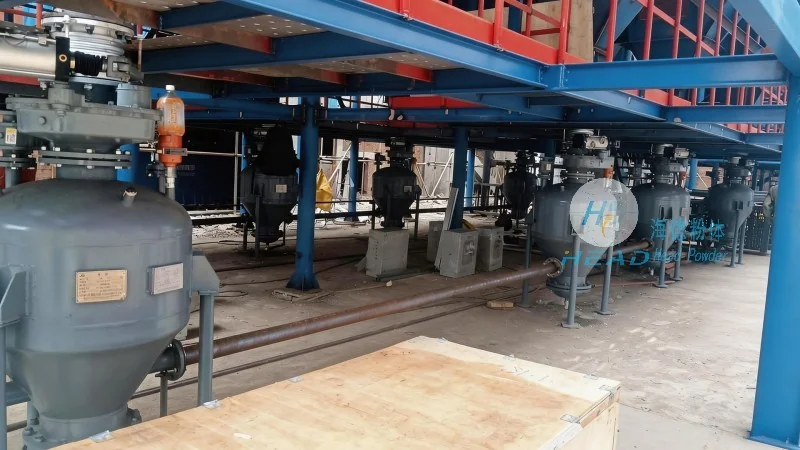
The field of biomass powder pneumatic conveying is continuously evolving, driven by advancements in technology and increasing demand for sustainable energy solutions. One key trend is the integration of automation and control systems, which enhance the efficiency and reliability of the conveying process. Modern systems now incorporate sensors and control panels that monitor parameters like air pressure, flow rate, and material level, allowing for real-time adjustments and optimization. This automation reduces operational costs and minimizes the risk of system failures or material loss. Another trend is the development of more energy-efficient conveying methods. Researchers and engineers are exploring alternative air sources, such as low-pressure systems or vacuum-assisted designs, to reduce energy consumption while maintaining or improving conveying performance. The focus on sustainability extends to the use of eco-friendly materials for the conveying components, such as corrosion-resistant metals and biodegradable plastics, which reduce environmental impact. Furthermore, the adoption of digitalization and IoT (Internet of Things) technologies is improving the monitoring and management of conveying systems. Smart sensors and data analytics enable predictive maintenance, allowing companies to identify potential issues before they cause downtime or damage to equipment. As the biomass industry grows, the demand for advanced pneumatic conveying solutions will continue to rise, driving further innovation in system design, material handling, and energy efficiency. These developments will help to make biomass powder transportation more efficient, cost-effective, and environmentally friendly, supporting the broader goals of renewable energy and sustainable development.

 Shandong Headpowder Engineering Co., Ltd.
 156-6277-7102(Manager Zhang)
  0531-83386006
  Zhangqiu District, Jinan City, Shandong Province, China
telephone
WeChatconsult
top