With more than 10‑year industry experience, Shandong Headpowder delivers full‑service pneumatic‑conveying systems and blowers, undertaking nationwide turn‑key powder‑handling projects.
HeadPowder, a leading engineering firm based in Shandong, China, specializes in the design and development of advanced pneumatic conveying systems tailored for diverse industrial applications. This article focuses on the innovative design of a negative pressure pneumatic conveying system specifically engineered for the efficient transportation of dry gravel. The system integrates cutting-edge technology to ensure reliable, low-cost, and environmentally friendly material handling solutions.
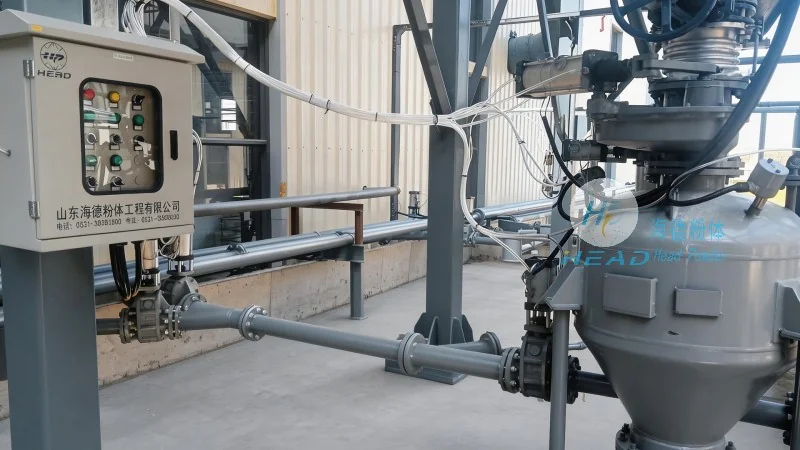
The design of the negative pressure pneumatic conveying system for dry gravel involves several critical considerations to optimize performance and operational efficiency. First, the system's capacity and flow rate are meticulously calculated based on the specific characteristics of the gravel, including particle size distribution, density, and moisture content. These parameters directly influence the selection of air velocity, duct diameter, and the overall system layout. Engineers at HeadPowder employ advanced computational fluid dynamics (CFD) simulations to model airflow patterns and ensure that the conveying process remains within optimal operational parameters, minimizing energy consumption and wear on components.
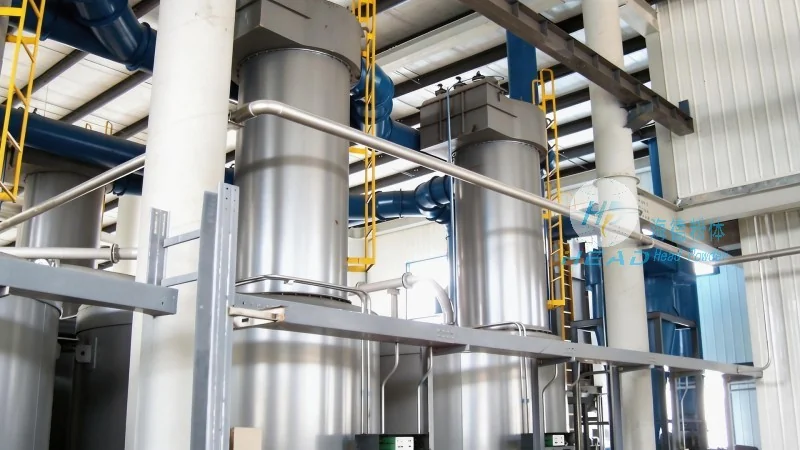
Second, the material handling process requires robust equipment capable of withstanding the abrasive nature of gravel. The system incorporates high-quality stainless steel or corrosion-resistant materials for the conveying ducts, pumps, and separation units. This choice enhances durability and reduces maintenance requirements, which are crucial for long-term cost-effectiveness. Additionally, the design includes a series of filtration and separation components to prevent clogging and ensure the purity of the conveyed material. These features are essential for maintaining the integrity of the gravel during transport, especially in applications where contamination must be avoided.
The negative pressure pneumatic conveying system for dry gravel consists of several interconnected components, each playing a vital role in the overall operation. The primary components include the inlet hopper, which serves as the material feed point, and the vacuum pump that generates the necessary negative pressure to draw the gravel into the system. The conveying ducts, typically made of flexible or rigid materials, transport the material from the inlet to the discharge point. A key component is the separation unit, which uses cyclonic or filtration technology to separate the conveyed material from the air stream, ensuring that the material is deposited accurately at the destination.
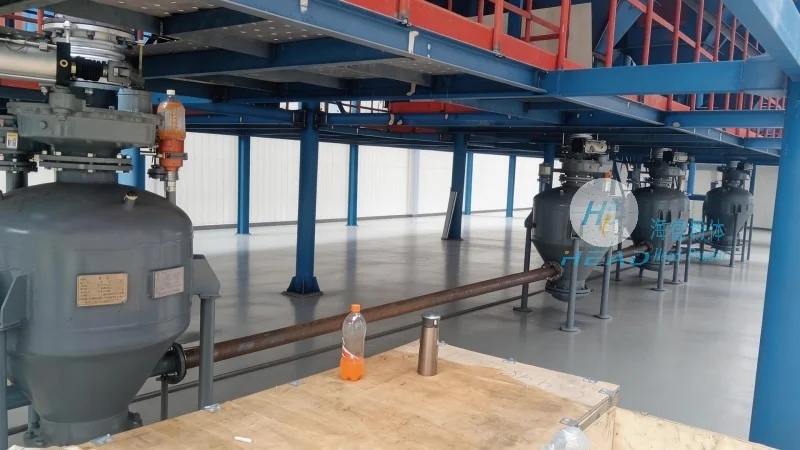
Furthermore, the system incorporates control systems that monitor and regulate the flow rate, pressure, and other operational parameters in real-time. These controls help maintain consistent performance and prevent system failures. The design also considers the integration of safety features, such as pressure relief valves and emergency shut-off mechanisms, to protect both personnel and equipment from potential hazards. By incorporating these elements, the system ensures safe and reliable operation in industrial settings.
The negative pressure pneumatic conveying system for dry gravel offers several advantages over traditional material handling methods. One of the most significant benefits is its ability to transport materials over long distances with minimal energy consumption. Unlike positive pressure systems, which require higher air pressures and thus higher energy input, negative pressure systems operate more efficiently by utilizing the existing ambient air and creating a vacuum to draw the material. This results in substantial cost savings on energy and operational expenses.
Another advantage is the reduced risk of dust emissions and environmental contamination. The system's enclosed design and efficient filtration components minimize the release of fine particles into the environment, making it a more environmentally friendly option. This is particularly important for applications involving gravel, which can be a source of dust and particulate matter. Additionally, the system's flexibility allows for easy integration into existing industrial processes, with minimal disruption to production schedules.
The design also enhances the safety of the material handling process. By eliminating the need for manual handling of bulk materials, the system reduces the risk of workplace accidents and injuries. The enclosed conveying system prevents direct contact with the material, reducing exposure to potential hazards such as sharp edges or abrasive particles. This not only improves workplace safety but also contributes to better employee morale and productivity.
The negative pressure pneumatic conveying system for dry gravel is suitable for a wide range of industrial applications. In the construction industry, it is commonly used for transporting gravel from stockpiles to concrete mixing plants or construction sites. The system's ability to handle large volumes of material efficiently makes it ideal for meeting the high demand of construction projects. In the mining sector, it can be used to transport crushed gravel from processing facilities to storage areas or for further processing.
In the agricultural sector, the system may be employed for the transportation of gravel used in road construction or as a base material for agricultural infrastructure. The system's adaptability allows for easy integration into existing industrial processes, with minimal disruption to production schedules. For example, in the manufacturing industry, it can be used to convey gravel for the production of asphalt or other construction materials, where consistent material quality is essential.
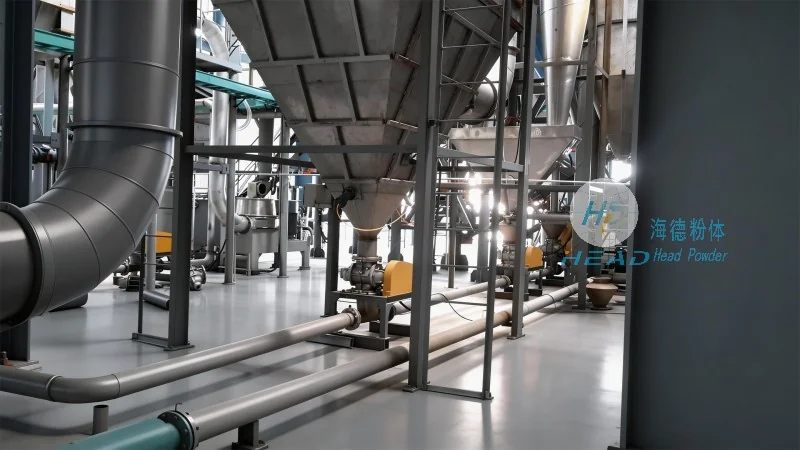
Moreover, the system's design allows for scalability, making it suitable for both small-scale and large-scale operations. This flexibility enables HeadPowder to provide tailored solutions for clients with varying needs, from small construction projects to large industrial facilities. The system's reliability and efficiency make it a preferred choice for industries that require consistent and high-quality material handling solutions.
The design of the negative pressure pneumatic conveying system for dry gravel by HeadPowder represents a significant advancement in material handling technology. By integrating advanced engineering principles and innovative components, the system offers superior performance, efficiency, and safety compared to traditional methods. The system's ability to handle abrasive materials like gravel while minimizing energy consumption and environmental impact makes it an ideal solution for modern industrial applications.
As technology continues to evolve, HeadPowder remains committed to developing and improving its pneumatic conveying systems. Future developments may include the integration of smart sensors and automation technologies to further enhance system performance and reduce operational costs. The company's focus on innovation and customer-centric solutions ensures that its products remain at the forefront of industrial material handling solutions. With its headquarters in Shandong, China, HeadPowder continues to serve clients worldwide with reliable and efficient engineering solutions for their material handling needs.

 Shandong Headpowder Engineering Co., Ltd.
 156-6277-7102(Manager Zhang)
  0531-83386006
  Zhangqiu District, Jinan City, Shandong Province, China
telephone
WeChatconsult
top