

What is a Potash Material Pneumatic Conveying Line? And What Are Its Design Principles?
When it comes to the efficient handling and transportation of potash materials, a specialized system known as a potash material pneumatic conveying line plays a crucial role. This technology is designed to move bulk solid materials like potash through a network of pipes using air pressure, offering a reliable and often more cost-effective alternative to traditional mechanical conveying methods. Understanding what this system entails and the underlying design principles is essential for industries that rely on the consistent and safe transport of such materials.
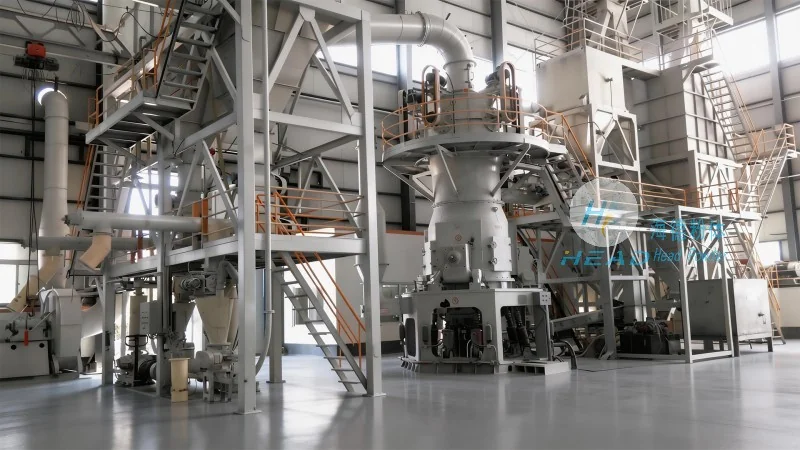
Understanding the Potash Material Pneumatic Conveying Line
A potash material pneumatic conveying line is a closed-loop system that utilizes compressed air or other gases to transport granular or powdery potash materials from one location to another. The system typically consists of several key components, including a material feed hopper, a conveying line (composed of pipes), a pneumatic conveying device (such as a blower or compressor), and a receiving hopper or storage facility. The primary goal of this system is to move potash efficiently while minimizing material loss, dust generation, and operational downtime.
Key Design Principles of the Pneumatic Conveying System
The design of a potash material pneumatic conveying line is governed by several fundamental principles that ensure optimal performance and reliability. The first principle is the selection of the appropriate conveying method, which can be categorized into two main types: positive pressure and negative pressure systems. Positive pressure systems use a blower to force air and material through the pipeline, while negative pressure systems use a vacuum to draw material into the line. The choice between these methods depends on factors such as the distance to be covered, the material's characteristics (e.g., particle size, moisture content), and the required flow rate.
Another critical design principle is the sizing and layout of the conveying line. The diameter and length of the pipes must be carefully calculated to ensure that the air velocity is sufficient to keep the potash particles suspended and prevent blockages. Generally, air velocities are maintained between 20 to 30 meters per second for positive pressure systems and 10 to 15 meters per second for negative pressure systems. The pipe layout also needs to consider the elevation changes and the need for bends and elbows, which can affect the pressure drop and overall system efficiency.
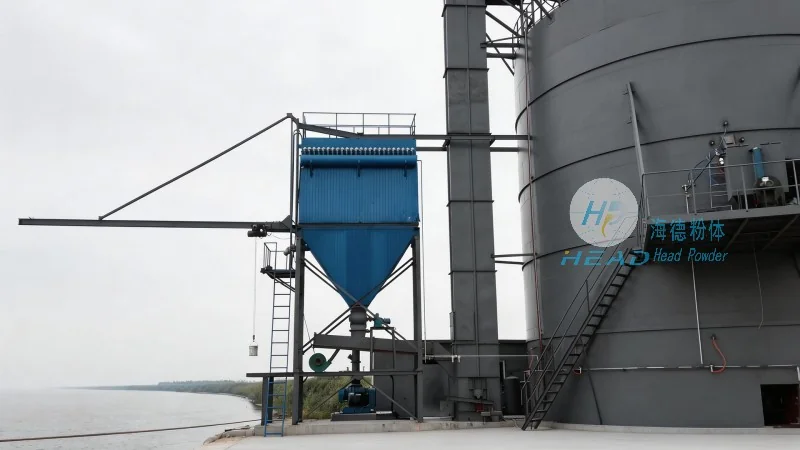
Material Handling Considerations in the Design
For potash materials, which can vary in size, shape, and density, the design must account for their unique handling characteristics. The material feed hopper is designed to provide a consistent flow of potash into the conveying line, often using a rotary valve or a screw feeder to control the discharge rate. The hopper's design may include features such as a conical bottom to prevent material bridging or caking, which is common in potash due to its hygroscopic nature. Additionally, the system may incorporate a dust collection or filtration unit to capture any airborne particles and maintain air quality, which is important for both operational safety and environmental compliance.
The Role of the Pneumatic Conveying Device
The pneumatic conveying device, typically a blower or a rotary lobe pump, is the heart of the system, responsible for generating the necessary air pressure or vacuum to move the potash. The selection of this component is critical, as it must be capable of delivering the required airflow and pressure while operating efficiently. Factors such as the system's capacity, the material's resistance to air flow, and the desired pressure drop across the line all influence the choice of the conveying device. Modern systems may also incorporate variable frequency drives (VFDs) to adjust the airflow and pressure dynamically, allowing for better control and energy savings.
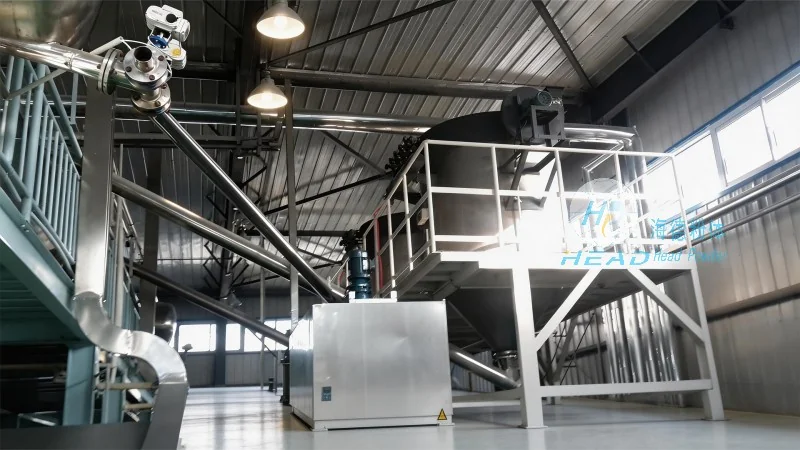
System Integration and Control
A well-designed potash material pneumatic conveying line integrates various components and employs advanced control systems to ensure smooth operation. The control system typically monitors parameters such as pressure, flow rate, and temperature, and can automatically adjust the operation of the conveying device or feed hopper as needed. This integration helps to prevent issues such as overloading, blockages, or excessive pressure drops, which can lead to system failures. Additionally, the system may include safety features like pressure relief valves and emergency shut-off mechanisms to protect both the equipment and personnel from potential hazards.
Applications and Benefits
Potash material pneumatic conveying lines are widely used in the fertilizer industry, where they are essential for transporting potash from storage facilities to processing plants or for distribution to end-users. The benefits of this technology include improved safety by eliminating the need for manual handling of bulk materials, reduced labor costs, and increased operational efficiency. Furthermore, the closed-loop design minimizes material loss and dust emissions, contributing to a cleaner and more environmentally friendly operation. The system's ability to handle a wide range of potash types and particle sizes also makes it a versatile solution for various industrial applications.
About Shandong HeadPowder Engineering Co., Ltd.
Shandong HeadPowder Engineering Co., Ltd., a leading manufacturer in the field of material handling equipment, specializes in the design, manufacturing, and installation of potash material pneumatic conveying lines. With years of experience and a commitment to innovation, the company provides customized solutions tailored to the specific needs of its clients. HeadPowder's team of engineers and technicians works closely with customers to understand their operational requirements and develop systems that meet or exceed industry standards. The company's facilities are equipped with advanced technology and quality control measures to ensure that every product is built to last and operates reliably in demanding environments. Based in Shandong, China, HeadPowder serves clients both domestically and internationally, delivering high-quality equipment that enhances productivity and safety in the handling of potash materials.