With more than 10‑year industry experience, Shandong Headpowder delivers full‑service pneumatic‑conveying systems and blowers, undertaking nationwide turn‑key powder‑handling projects.
When designing a pneumatic conveying system for the Xiaomi brand, several critical factors must be considered to ensure optimal performance, efficiency, and reliability. These considerations are essential for maintaining the high standards associated with the Xiaomi brand and meeting the specific requirements of various industrial applications.
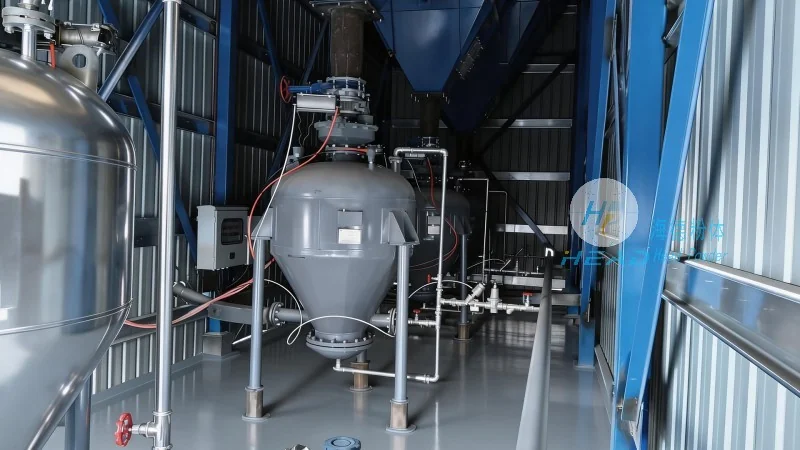
Shandong HeadPowder Engineering Co., Ltd., a leading provider in the field, brings extensive experience and technical expertise to the design and implementation of pneumatic conveying systems. With a strong presence in China, particularly in Shandong, the company has established itself as a trusted partner for businesses seeking reliable and efficient material handling solutions. HeadPowder specializes in customizing systems that align with the unique needs of clients, ensuring that each project is tailored to maximize productivity and minimize operational costs.
Effective design of a pneumatic conveying system involves a comprehensive analysis of several key parameters. The first consideration is the type of material being conveyed, as different materials have varying properties that affect system performance. For example, abrasive or corrosive materials may require specialized equipment to prevent wear and damage. Additionally, the flow rate and pressure requirements must be precisely determined to ensure that the system can handle the intended volume of material without excessive energy consumption or pressure loss.
Another critical factor is the system layout and configuration. The design must account for the distance between the material source and the destination, as well as any obstacles or changes in elevation that may impact the conveying process. Properly sized ductwork and components are essential to maintain consistent airflow and prevent blockages or inefficiencies. The choice of air compressor and filter system also plays a vital role in ensuring the system operates smoothly and maintains air quality standards.
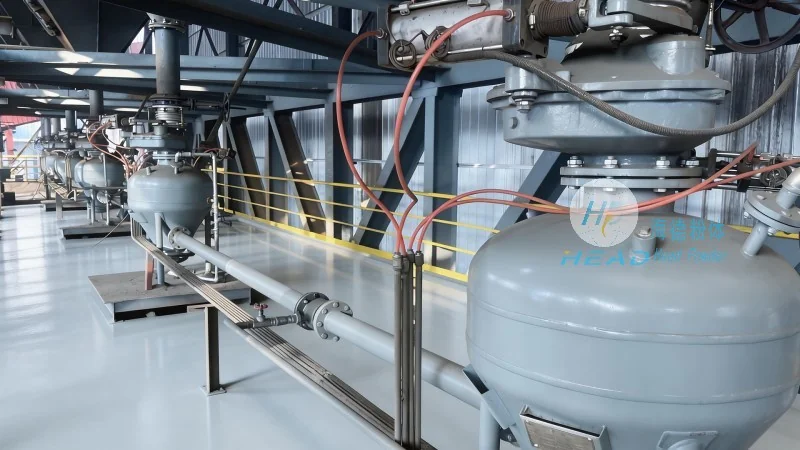
Efficiency in material handling is a primary goal when designing a pneumatic conveying system. This involves optimizing the system to minimize downtime and maximize throughput. The integration of the system with existing production lines or processes is another important consideration. A well-designed system should seamlessly connect with other equipment, such as hoppers, feeders, and processing units, to create a cohesive and efficient workflow. This integration helps to reduce manual handling and improve overall operational efficiency.
Reliability is paramount in industrial applications, and pneumatic conveying systems must be designed to withstand continuous operation without frequent breakdowns. Regular maintenance is essential to ensure the system remains in optimal condition. The design should include features that facilitate easy access to components for inspection and repair, such as removable sections of ductwork or accessible filter housings. Additionally, the use of high-quality materials and components can extend the lifespan of the system and reduce long-term maintenance costs.
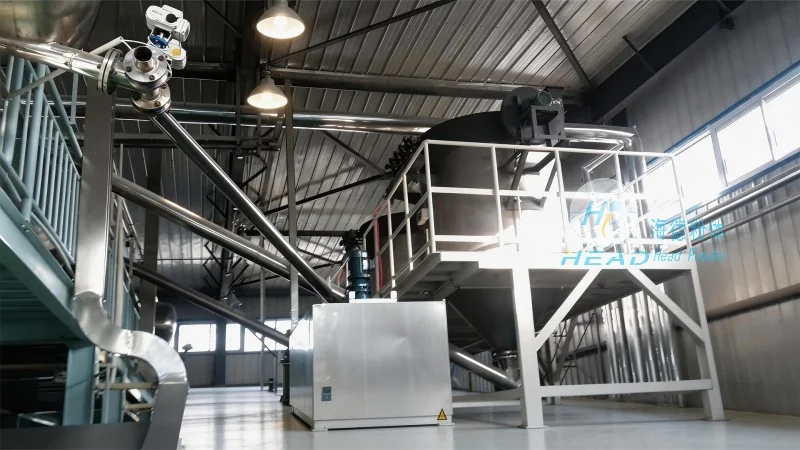
Compliance with environmental and safety regulations is a critical aspect of pneumatic conveying system design. The system must be designed to minimize dust emissions and ensure proper ventilation to maintain a safe working environment. This may involve the use of dust collection systems or air filtration units that meet local and national standards. Furthermore, the system should be equipped with safety features, such as pressure relief valves and emergency shut-off mechanisms, to prevent accidents and protect personnel.
Every industrial application is unique, and a one-size-fits-all approach to pneumatic conveying is often insufficient. Customization is therefore a key consideration in system design. The ability to scale the system according to changing production needs is also important. This may involve designing modular components that can be easily expanded or modified as the business grows. By offering flexible and scalable solutions, companies like Shandong HeadPowder Engineering Co., Ltd. can provide long-term value to their clients.
In conclusion, the design of a pneumatic conveying system for the Xiaomi brand requires careful consideration of multiple factors, including material properties, system layout, efficiency, reliability, and compliance. By leveraging the expertise of companies like Shandong HeadPowder Engineering Co., Ltd., businesses can ensure that their pneumatic conveying systems are optimized for performance and longevity. These considerations not only enhance operational efficiency but also contribute to the overall success and sustainability of industrial operations.

 Shandong Headpowder Engineering Co., Ltd.
 156-6277-7102(Manager Zhang)
  0531-83386006
  Zhangqiu District, Jinan City, Shandong Province, China
telephone
WeChatconsult
top