

What is a Silica Fume Material Pneumatic Conveying System? What Are Its Design Principles?
As a professional manufacturer, Shandong HeadPowder Engineering Co., Ltd. specializes in providing advanced solutions for material handling, particularly in the field of silica fume material pneumatic conveying systems. This article aims to explore what such a system entails and delve into its core design principles, offering insights into the technology that enables efficient and reliable material transport.
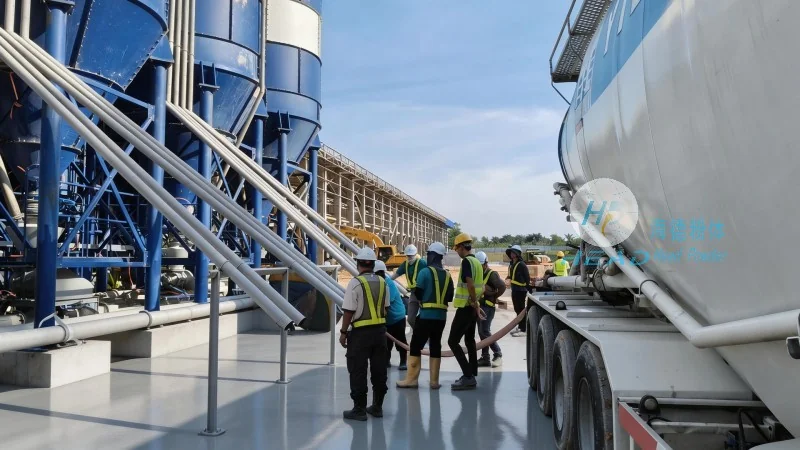
What is a Silica Fume Material Pneumatic Conveying System?
A silica fume material pneumatic conveying system is a specialized piece of industrial equipment designed to transport fine powders, such as silica fume, through a pipeline using air or other gas as the conveying medium. Silica fume, a byproduct of the silicon and steel industry, is characterized by its extremely fine particle size and high density, making traditional mechanical conveying methods less effective. The pneumatic system addresses these challenges by utilizing pressure or vacuum to move the material through the system, ensuring consistent and efficient transport from the source to the destination.
Key Components of the Pneumatic Conveying System
The design of a silica fume material pneumatic conveying system involves several critical components that work in tandem to achieve optimal performance. These components include the material feed hopper, which holds the silica fume and controls the flow rate; the air compressor or vacuum pump, which generates the necessary pressure or vacuum to move the material; the conveying line, typically made of corrosion-resistant materials like stainless steel or polyethylene to prevent material buildup and contamination; and the control system, which monitors and adjusts the pressure, flow rate, and other parameters to maintain system efficiency.
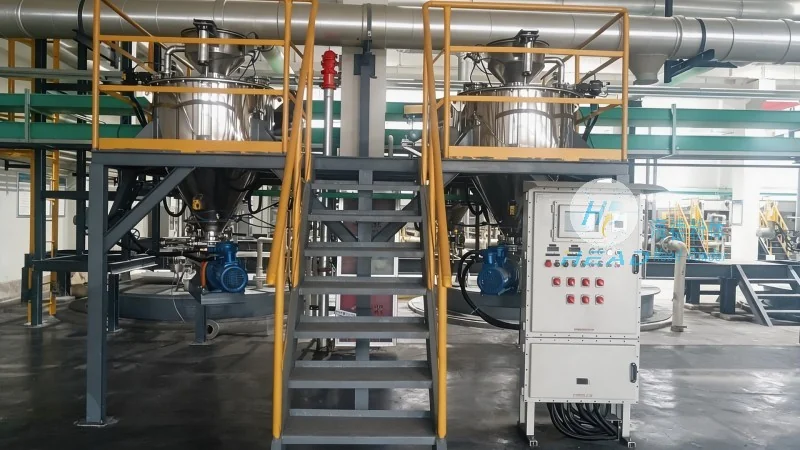
Design Principles for Efficient Material Transport
The design principles of a silica fume material pneumatic conveying system are centered on maximizing efficiency, minimizing material loss, and ensuring system reliability. One key principle is the selection of appropriate air velocity, which must be high enough to overcome the resistance of the material particles but low enough to prevent excessive wear on the system components. Another critical factor is the design of the conveying line, which should be sized to handle the specific particle size and flow rate of the silica fume, with smooth transitions and minimal bends to reduce pressure drop and prevent particle accumulation. Additionally, the system incorporates features like cyclone separators and filters to separate the material from the air and collect it at the destination, ensuring that the final product remains clean and free from contamination.
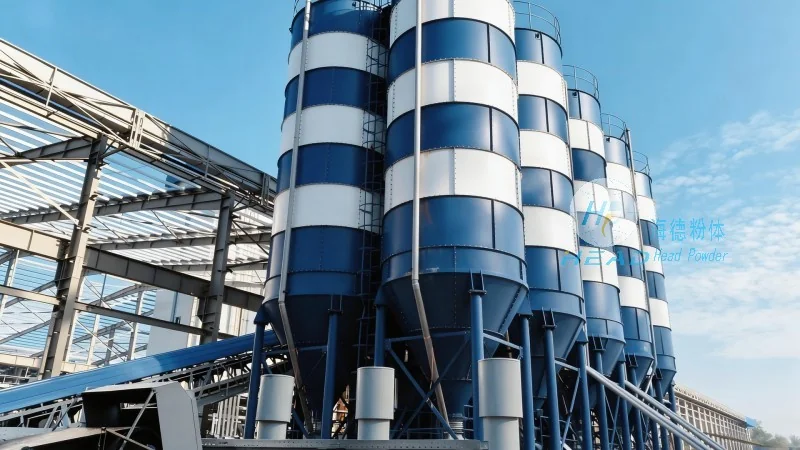
Advantages of Using a Pneumatic Conveying System for Silica Fume
Implementing a pneumatic conveying system for silica fume offers several advantages over traditional mechanical methods. Firstly, it provides a dust-free and enclosed transport process, which enhances workplace safety and reduces environmental pollution. Secondly, the system allows for precise control over the material flow rate and pressure, enabling consistent delivery to the processing equipment. Thirdly, the use of corrosion-resistant materials in the system ensures long-term durability and minimal maintenance costs. Finally, the enclosed design prevents material spillage and contamination, maintaining the quality of the silica fume throughout the transport process.
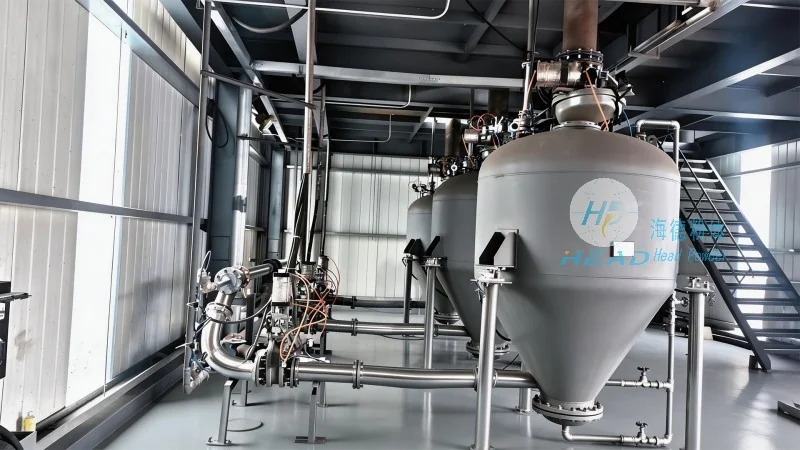
Applications and Industries Served
Silica fume material pneumatic conveying systems are widely used in various industries that rely on silica fume as a key raw material. These include the concrete and cement industry, where silica fume is used as a supplementary cementitious material to improve the strength and durability of concrete. Other applications include the steel industry, where silica fume is used in the production of high-performance alloys, and the chemical industry, where it serves as a filler or additive in various products. The versatility of the system makes it suitable for a wide range of applications, from small-scale laboratory use to large-scale industrial production.
Conclusion and Company Overview
In conclusion, a silica fume material pneumatic conveying system is a sophisticated and efficient solution for transporting fine powders, particularly silica fume, in industrial settings. The design principles, which focus on material flow control, system durability, and environmental safety, ensure that the system operates reliably and effectively. Shandong HeadPowder Engineering Co., Ltd., with its expertise in material handling technology, provides high-quality pneumatic conveying systems tailored to the specific needs of clients in various industries. By leveraging advanced engineering and materials, the company ensures that its systems meet the highest standards of performance and reliability, contributing to the smooth operation of industrial processes.