With more than 10‑year industry experience, Shandong Headpowder delivers full‑service pneumatic‑conveying systems and blowers, undertaking nationwide turn‑key powder‑handling projects.
Edible salt, a fundamental ingredient in food processing and preservation, requires efficient and reliable transportation methods to ensure quality and safety throughout the supply chain. Pneumatic conveying technology offers a sophisticated solution for moving edible salt from storage to processing facilities, or between different stages of production. This article explores the fundamental principles of pneumatic conveying for edible salt and highlights key application scenarios where this technology excels.
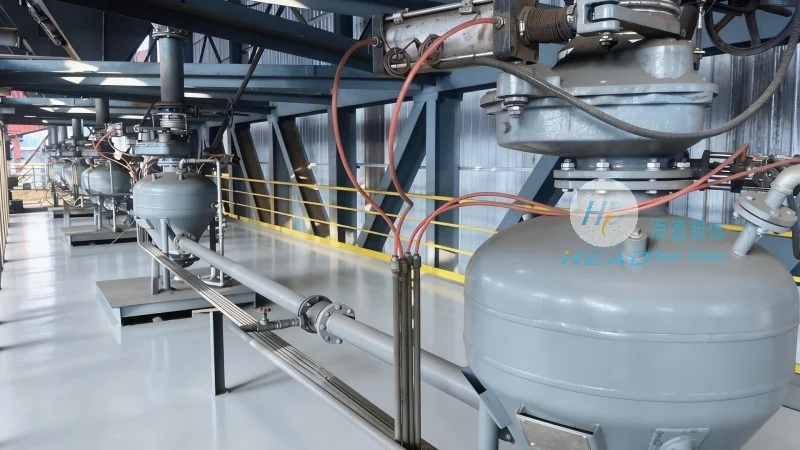
Pneumatic conveying utilizes compressed air or gas to transport bulk materials like edible salt through a pipeline system. The process involves creating a pressure differential that propels the material forward. There are two primary types of pneumatic conveying systems: dilute-phase and dense-phase. Dilute-phase systems operate at low pressure, typically using air velocities that keep the salt particles suspended in the air stream, making them suitable for long-distance transport with minimal equipment wear. Dense-phase systems, on the other hand, operate at higher pressure, using lower air velocities to move salt in a more compact, plug-like flow. This method is ideal for sensitive materials like edible salt, as it reduces particle breakage and maintains product integrity.
A typical pneumatic conveying system for edible salt includes several critical components. The system starts with a hopper or silo that stores the salt, equipped with a feeder to control the flow rate. A compressor or blower generates the necessary air pressure to move the salt. The pipeline network connects the source to the destination, often incorporating bends, valves, and filters to maintain system efficiency and prevent material buildup. At the receiving end, a separator or cyclone separates the salt from the air, allowing the air to be recycled or vented safely. The separated salt is then collected in a discharge hopper or storage container.
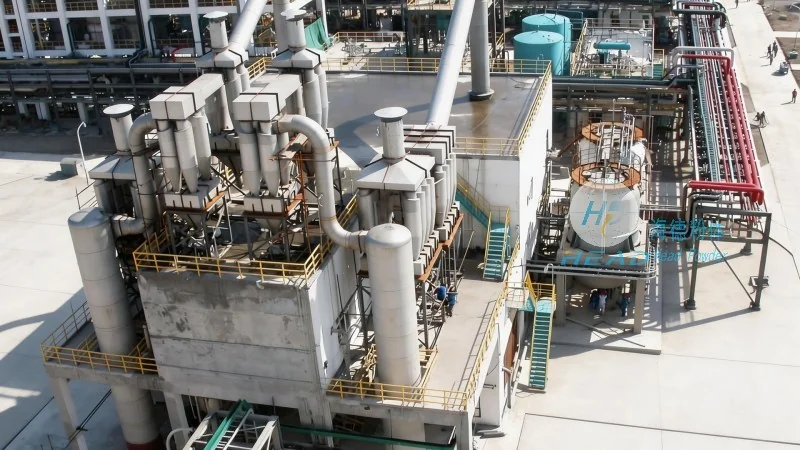
Pneumatic conveying is particularly well-suited for various industrial applications involving edible salt. In food processing plants, it enables the seamless transfer of salt from bulk storage to mixing or packaging lines, ensuring consistent quality and reducing manual handling risks. The technology is also used in salt production facilities, where it facilitates the movement of raw salt from extraction sites to processing units, such as grinding or refining operations. Additionally, in pharmaceutical and chemical industries, where edible salt may be used as an ingredient, pneumatic conveying maintains hygiene and prevents contamination, aligning with strict quality standards.
Implementing pneumatic conveying for edible salt offers numerous advantages over traditional methods like bucket elevators or belt conveyors. One of the most significant benefits is the ability to maintain product purity and integrity. The enclosed pipeline system prevents exposure to contaminants, dust, or moisture, which is crucial for edible products. Additionally, pneumatic conveying reduces labor costs by automating the material handling process, minimizing the need for manual loading and unloading. The technology also offers flexibility in system design, allowing for easy integration with existing production lines and the ability to transport salt over long distances without the need for multiple transfer points.
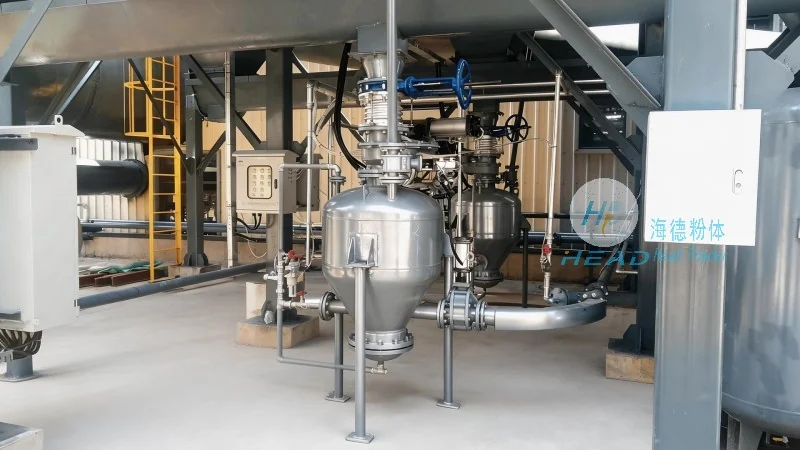
When selecting a pneumatic conveying system for edible salt, several factors must be considered to ensure optimal performance and efficiency. The first is the material's properties, such as particle size, density, and moisture content, as these affect the system's design and operating parameters. The distance and layout of the transport route also play a critical role, as different system types are better suited for specific distances and configurations. Energy consumption is another key consideration, as efficient systems minimize operational costs. Finally, the system's ability to maintain hygiene and comply with food safety regulations is paramount, especially in industries where edible salt is used in food or pharmaceutical applications.
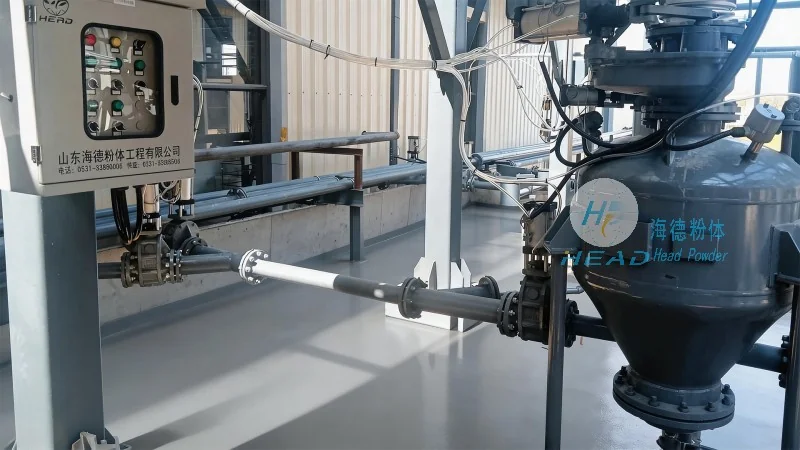
Shandong HeadPowder Engineering Co., Ltd., a leading provider of bulk material handling solutions, specializes in designing and manufacturing pneumatic conveying systems tailored to the needs of the food and chemical industries. With a focus on innovation and quality, the company has developed advanced technologies to ensure reliable and efficient transport of edible salt and other bulk materials. HeadPowder's expertise in system design, material selection, and installation ensures that clients receive customized solutions that meet their specific operational requirements. The company's commitment to customer satisfaction and product excellence has established it as a trusted partner in the bulk material handling sector.
Pneumatic conveying represents a highly effective and efficient method for transporting edible salt, offering numerous benefits in terms of product quality, operational efficiency, and safety. By understanding the principles and application scenarios of this technology, food processing and production facilities can enhance their material handling processes and maintain compliance with industry standards. With the expertise of companies like Shandong HeadPowder Engineering Co., Ltd., the implementation of pneumatic conveying systems for edible salt has become more accessible and reliable, supporting the continued growth and innovation in the food and chemical industries.

 Shandong Headpowder Engineering Co., Ltd.
 156-6277-7102(Manager Zhang)
  0531-83386006
  Zhangqiu District, Jinan City, Shandong Province, China
telephone
WeChatconsult
top