With more than 10‑year industry experience, Shandong Headpowder delivers full‑service pneumatic‑conveying systems and blowers, undertaking nationwide turn‑key powder‑handling projects.
Limestone material pneumatic conveying is a key industrial process used for transporting limestone powder and other fine particulate materials through a pipeline system using air or gas as the conveying medium. This method offers significant advantages over traditional mechanical conveying systems, such as reduced equipment wear, lower maintenance costs, and the ability to handle materials that are difficult to transport via conventional methods. The process involves creating a flow of air within a pipeline, which lifts and transports the limestone particles from the source to the destination. Understanding the design principles behind this technology is crucial for optimizing performance, ensuring efficiency, and meeting the specific requirements of limestone handling applications.
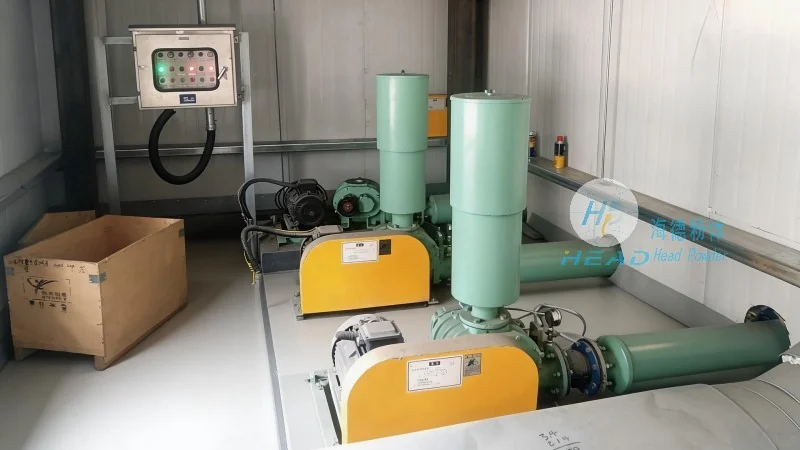
There are primarily two types of pneumatic conveying systems used in limestone material transport: suction (or vacuum) systems and pressure systems. Suction systems operate by creating a negative pressure at the material source, drawing the limestone particles into the pipeline along with the air. These systems are typically used for short to medium distances and are suitable for handling materials from hoppers or silos. On the other hand, pressure systems use positive pressure to push the limestone material through the pipeline. They are often employed for longer distances and can handle more abrasive or difficult-to-convey materials. The choice between suction and pressure systems depends on factors like the distance between the source and destination, the material characteristics, and the required flow rate.
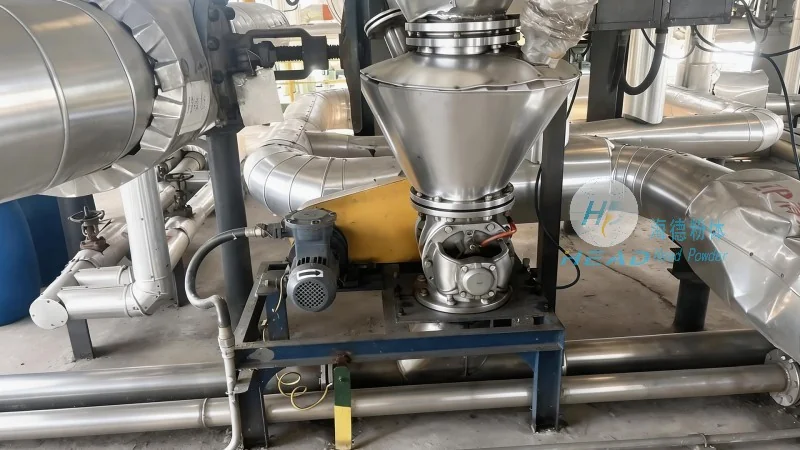
The design of a limestone pneumatic conveying system involves several critical principles that ensure reliable and efficient operation. First, the selection of the appropriate conveying velocity is essential. The velocity must be high enough to keep the limestone particles suspended in the air stream but not so high as to cause excessive wear on the pipeline or equipment. Typically, the conveying velocity is determined based on the particle size, density, and shape of the limestone material. Second, the system design must consider the pressure drop across the pipeline. The pressure drop is influenced by factors such as the length of the pipeline, the diameter of the pipe, the number of bends, and the type of material being conveyed. Proper calculation of the pressure drop is vital to ensure that the system has sufficient pressure to maintain the material flow. Third, the system must include appropriate equipment such as feeders, cyclones, and filters to handle the material and maintain the air quality. Feeders are used to control the flow rate of the limestone material into the pipeline, while cyclones separate the material from the air stream for collection. Filters are essential to remove any fine particles from the exhaust air, preventing contamination and ensuring compliance with environmental regulations.
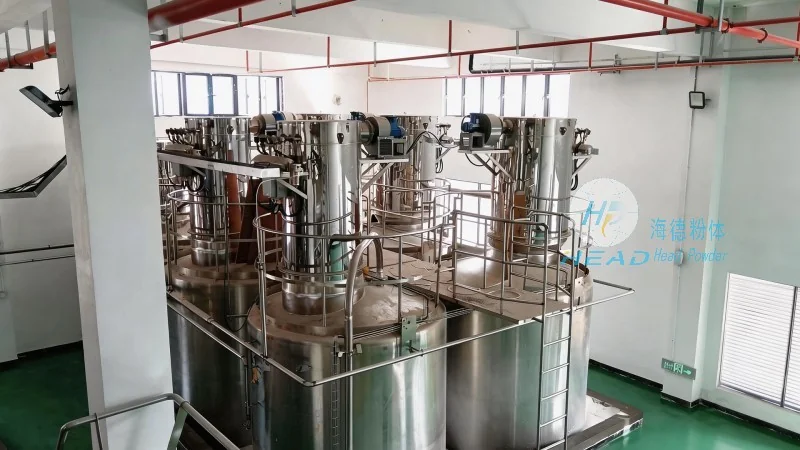
Shandong HeadPowder Engineering Co., Ltd., commonly known as HeadPowder, is a leading provider of pneumatic conveying solutions for industrial applications. With a strong focus on innovation and customer satisfaction, HeadPowder specializes in designing and manufacturing customized pneumatic conveying systems tailored to the unique needs of limestone handling operations. The company's expertise lies in understanding the complex requirements of limestone material transport and developing efficient solutions that enhance productivity and reduce operational costs. HeadPowder's team of engineers and technicians work closely with clients to assess their specific requirements, from material characteristics to operational constraints, and provide tailored solutions that meet their needs. The company's commitment to quality and reliability has made it a trusted partner in the industry, helping clients optimize their limestone handling processes and improve overall efficiency.
Proper maintenance and optimization are crucial for ensuring the long-term performance and reliability of limestone pneumatic conveying systems. Regular maintenance activities include inspecting and cleaning the pipeline, checking the condition of the feeders and cyclones, and monitoring the air pressure and flow rate. These activities help prevent issues such as blockages, wear, and degradation of the system components. Additionally, system optimization involves adjusting the conveying velocity, pressure, and flow rate based on the changing conditions of the limestone material. For example, if the limestone material becomes more abrasive or has larger particle sizes, the system may need to be adjusted to maintain optimal performance. HeadPowder provides comprehensive maintenance and optimization services to help clients keep their systems running efficiently and minimize downtime. By following proper maintenance procedures and optimizing the system parameters, clients can extend the lifespan of their equipment and reduce operational costs.
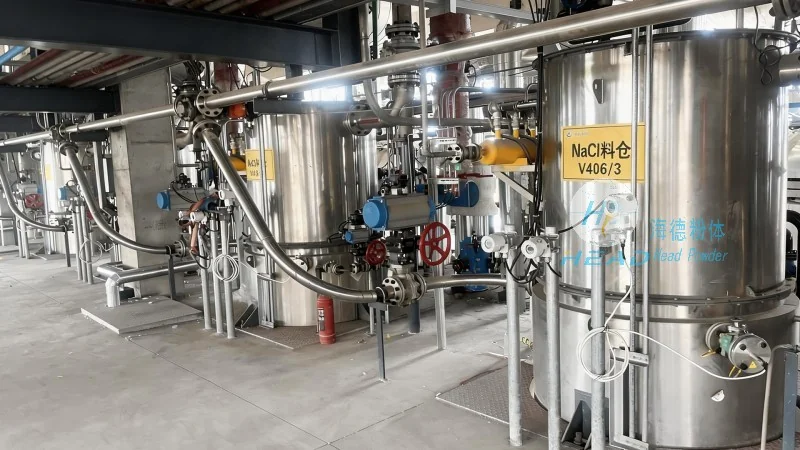
Understanding the design principles of limestone material pneumatic conveying is essential for optimizing the performance of industrial systems and ensuring efficient material transport. The process involves selecting the appropriate conveying system type, determining the optimal conveying velocity, calculating the pressure drop, and incorporating necessary equipment such as feeders and cyclones. Proper system design and maintenance are crucial for achieving reliable and cost-effective operation. Shandong HeadPowder Engineering Co., Ltd. offers expert solutions and services to help clients implement and maintain effective limestone pneumatic conveying systems, enhancing their operational efficiency and productivity. By leveraging the company's expertise and innovative solutions, clients can improve their limestone handling processes and stay competitive in the industry.

 Shandong Headpowder Engineering Co., Ltd.
 156-6277-7102(Manager Zhang)
  0531-83386006
  Zhangqiu District, Jinan City, Shandong Province, China
telephone
WeChatconsult
top