

What is Pneumatic Conveying for Plastic Granules? And What Are Its Design Principles?
Understanding the fundamentals of pneumatic conveying for plastic granules is crucial for industries that rely on efficient material handling solutions. This article delves into the core concepts of this technology, exploring its operational principles and the key design considerations that ensure optimal performance. As a leading provider in the field, Shandong HeadPowder Engineering Co., Ltd. specializes in developing tailored pneumatic conveying systems that meet the specific needs of clients across various applications.
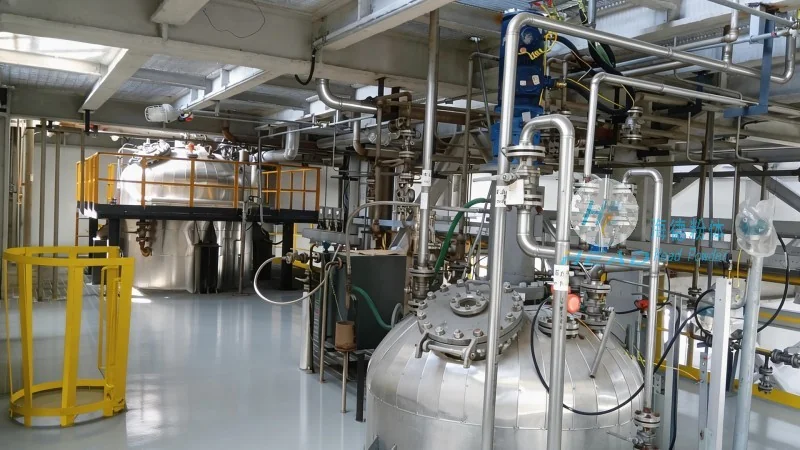
Pneumatic Conveying for Plastic Granules: An Overview
Pneumatic conveying is a method of transporting bulk materials, such as plastic granules, through a pipeline using a stream of pressurized air or vacuum. Unlike traditional mechanical conveying systems, which rely on mechanical components like screws or belts, pneumatic systems utilize air flow to move materials. This approach offers several advantages, including flexibility in layout, reduced maintenance requirements, and the ability to handle materials that are difficult to transport via other means. For plastic granules, which are often lightweight and can be prone to dust or static, pneumatic conveying provides a clean and efficient solution.
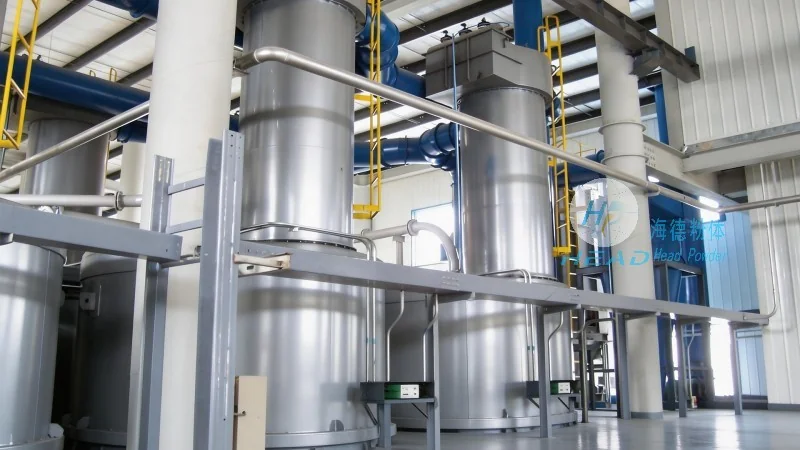
The Working Principle of Pneumatic Conveying Systems
The fundamental principle behind pneumatic conveying is the creation of a fluidized bed or suspension of the plastic granules within the conveying air. When air is introduced into the hopper or feed point at a sufficient velocity, it lifts the granules and carries them through the pipeline. The design of the system, including the air velocity, pressure, and pipeline dimensions, directly impacts the conveying capacity and efficiency. The system typically consists of several components: a feed device to introduce the granules into the air stream, a conveying line to transport the material, and a separation or collection unit to discharge the material at the destination. The choice of conveying method—either pressure or vacuum—depends on the application, with pressure systems being more common for long-distance or high-volume transport.
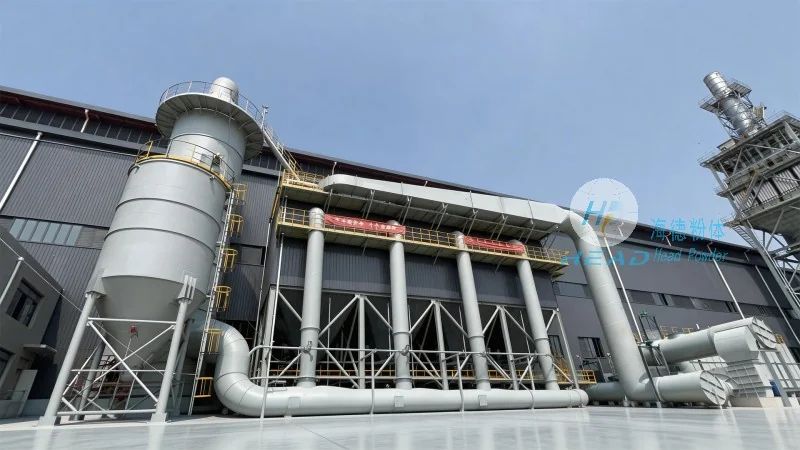
Key Design Principles for Plastic Granule Pneumatic Conveying
Designing an effective pneumatic conveying system for plastic granules involves careful consideration of several factors to ensure reliable operation and minimal downtime. First, the air velocity must be optimized to prevent material deposition or blockages in the pipeline. This requires calculating the minimum velocity needed to keep the granules suspended and the maximum velocity to avoid excessive wear on the system components. Second, the pipeline layout and diameter are critical. Larger diameters reduce friction losses and improve flow, while proper bends and elbows are essential to maintain air velocity and prevent material settling. Third, the system's pressure and vacuum levels must be balanced to achieve the desired conveying distance and capacity. For instance, higher pressure systems can handle longer distances but may require more robust equipment and higher energy consumption. Fourth, the inclusion of features like cyclones, filters, and silos is vital for material separation and collection, ensuring that the plastic granules are delivered to the target location without contamination or loss.
Applications and Benefits of Pneumatic Conveying for Plastic Granules
Pneumatic conveying systems are widely used in the plastics industry for various applications, including raw material transport from storage to processing equipment, intermediate product handling between production stages, and finished product delivery to packaging or storage areas. The benefits of using pneumatic conveying for plastic granules include improved safety by eliminating manual handling of materials, reduced labor costs due to automated systems, and enhanced product quality by minimizing contamination and exposure to moisture or contaminants. Additionally, the flexibility of pneumatic systems allows for easy integration with existing production lines and the ability to adapt to changing production demands. Shandong HeadPowder Engineering Co., Ltd. has extensive experience in designing and implementing such systems, providing customized solutions that enhance operational efficiency and reduce costs for their clients.
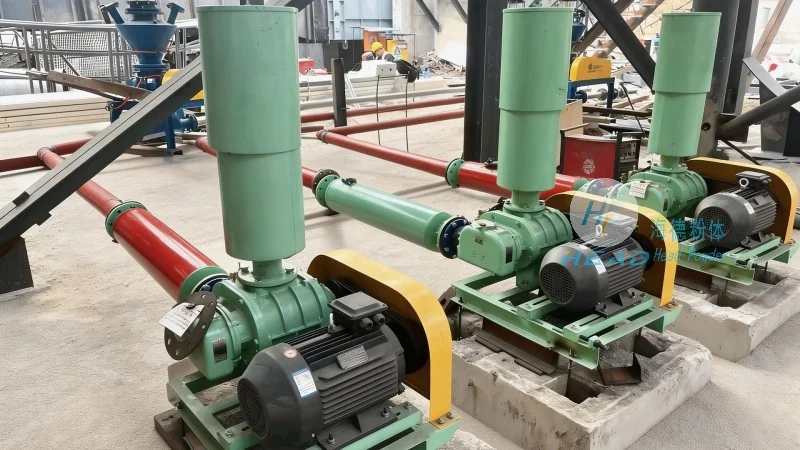
Conclusion and Company Expertise
In summary, pneumatic conveying for plastic granules is a sophisticated technology that leverages air flow to transport materials efficiently and reliably. The design principles, including air velocity control, pipeline design, and system pressure, are critical to achieving optimal performance. As a trusted partner in the industry, Shandong HeadPowder Engineering Co., Ltd. combines technical expertise with practical experience to develop pneumatic conveying systems that meet the unique requirements of each client. By focusing on the fundamentals of material handling and system design, the company ensures that its solutions are not only effective but also sustainable and cost-efficient. Whether for short or long-distance transport, Shandong HeadPowder Engineering Co., Ltd. provides the expertise and equipment needed to optimize plastic granule handling processes.