

What is a Sawdust Granular Material Conveying System? What Are Its Design Principles?
Understanding the sawdust granular material conveying system is crucial for industries dealing with wood processing and related applications. This system is engineered to efficiently transport sawdust and other granular materials, ensuring smooth operations and optimal performance in various industrial settings. The design principles behind such systems are centered on reliability, efficiency, and adaptability to the specific characteristics of the material being handled.
Introduction to Sawdust Granular Material Conveying Systems
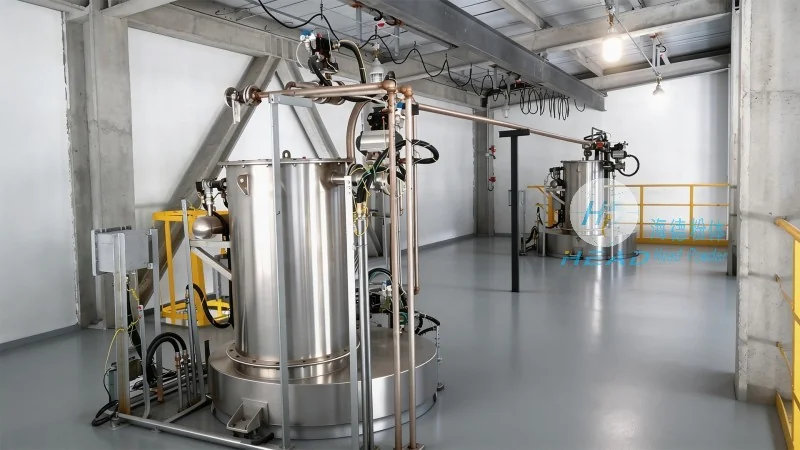
A sawdust granular material conveying system is a specialized piece of equipment designed to move sawdust and similar granular materials from one location to another within a facility. These systems are commonly used in sawmills, woodworking plants, and other industrial environments where large volumes of wood waste are generated. The primary goal of these systems is to streamline material handling processes, reduce labor costs, and enhance overall productivity by automating the transport of sawdust from production areas to storage or processing units.
Key Components and Design Principles
The design of a sawdust granular material conveying system involves several critical components, each playing a vital role in ensuring the system operates effectively. These components include the hopper, conveyor mechanism, control system, and discharge outlet. The hopper is responsible for collecting the sawdust and feeding it into the conveyor. The conveyor mechanism, which can be of various types such as screw conveyors, belt conveyors, or pneumatic systems, transports the material through the system. The control system manages the operation of the conveyor, ensuring it runs smoothly and safely. The discharge outlet allows the sawdust to be released at the desired location.
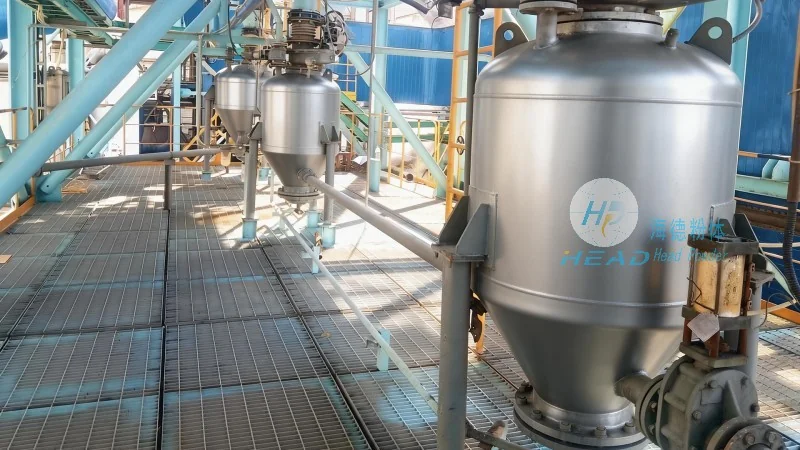
One of the fundamental design principles is the consideration of material characteristics. Sawdust is a lightweight, fine-grained material that can be prone to dust formation and clogging if not handled properly. Therefore, the system design must account for these properties to prevent issues such as blockages and material loss. The choice of conveyor type is also influenced by factors like the volume of material to be transported, the distance it needs to travel, and the required speed of operation. For example, screw conveyors are often used for vertical or inclined transport due to their ability to handle fine materials without clogging, while belt conveyors are suitable for horizontal transport over longer distances.
Efficiency and Performance in Material Handling
Efficiency is a key aspect of the sawdust granular material conveying system. The system is designed to minimize energy consumption while maximizing the throughput of sawdust. This is achieved through the use of high-quality materials and components that are resistant to wear and tear from the abrasive nature of sawdust. Additionally, the system incorporates features such as variable speed controls and automatic shut-off mechanisms to prevent overloading and ensure consistent performance. These features help maintain the system's efficiency over time, reducing maintenance costs and downtime.
The performance of the system is also influenced by the design of the hopper and discharge outlet. The hopper is designed to provide a uniform feed of sawdust to the conveyor, preventing surges or uneven flow that could lead to inefficiencies. The discharge outlet is strategically positioned to allow the sawdust to be discharged smoothly without creating dust clouds or causing blockages. Proper sealing of the system components is also essential to prevent dust leakage and maintain a clean working environment.
Reliability and Durability in Industrial Applications
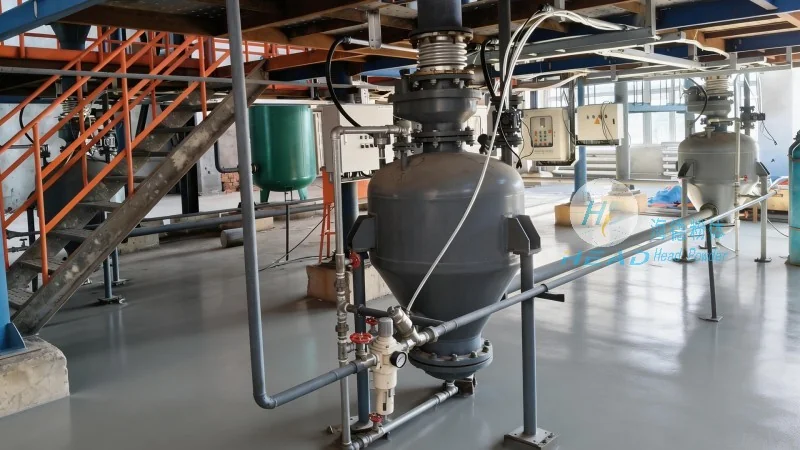
Reliability is another critical design principle for sawdust granular material conveying systems. These systems are expected to operate continuously for extended periods without significant maintenance or breakdowns. To achieve this, the components are constructed from durable materials such as stainless steel or high-grade alloys that can withstand the abrasive and corrosive effects of sawdust and moisture. The conveyor mechanisms are designed with heavy-duty bearings and gears to handle the continuous stress of transporting granular materials. Regular maintenance, including lubrication and inspection of moving parts, is essential to ensure the system's long-term reliability.
The system's design also considers the safety aspects of handling sawdust. Sawdust can be a fire hazard if not properly managed, and the conveying system is designed to minimize the risk of dust accumulation and ignition. Features such as explosion-proof components and fire suppression systems may be incorporated into the design to enhance safety. Additionally, the system is equipped with safety guards and interlocks to prevent accidental contact with moving parts, ensuring the safety of operators and maintenance personnel.
Customization and Adaptability for Specific Needs
HeadPowder, a leading manufacturer of material handling equipment, offers customized sawdust granular material conveying systems tailored to the specific needs of their clients. The company, based in Shandong, China, understands that different industrial applications require different system configurations. Therefore, they provide a range of options, including different conveyor types, hopper sizes, and control systems, to meet the unique requirements of each project. The customization process involves working closely with clients to understand their material handling challenges and design a system that addresses those challenges effectively.
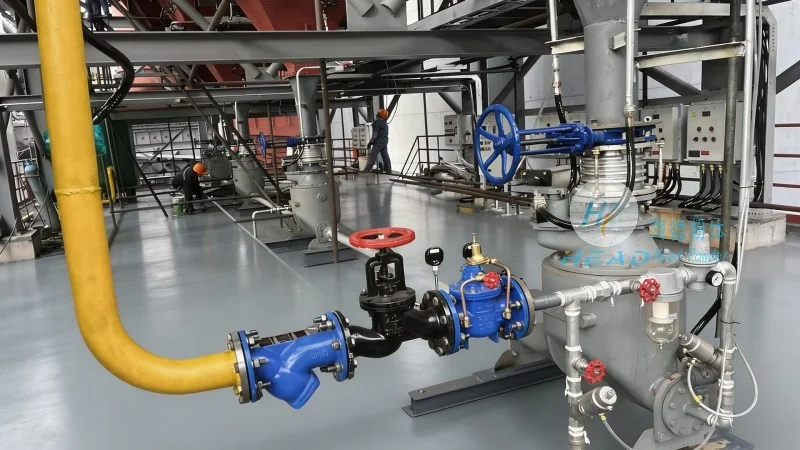
For example, a sawmill might require a system that can handle large volumes of sawdust from multiple production lines, while a woodworking plant might need a system that can transport sawdust to a specific storage area for further processing. HeadPowder's engineers work with clients to design systems that are optimized for their specific applications, ensuring maximum efficiency and performance. The company also provides after-sales support, including maintenance services and spare parts, to ensure the long-term operation of the system.
Conclusion
In conclusion, a sawdust granular material conveying system is a vital component in industries that process wood and generate sawdust. The design principles behind such systems focus on efficiency, reliability, and adaptability to the material's characteristics. With the right design and components, these systems can significantly improve material handling processes, reduce costs, and enhance overall productivity. HeadPowder, with its expertise and commitment to quality, provides reliable and customized solutions for sawdust conveying systems, helping clients achieve their operational goals in a safe and efficient manner.