What is a Phosphorus Pentachloride Material Handling System? What are its Design Principles?
Release time:2026-09-15 01:03:45
name of the company:Shandong Headpowder Engineering Co., Ltd.
telephone:156-6277-7102
contacts:Manager Zhang
Phosphorus pentachloride (PCl₅) is a highly reactive and corrosive chemical compound widely used in industrial applications such as organic synthesis, pharmaceutical production, and chemical manufacturing. Due to its hazardous nature, the safe and efficient handling of PCl₅ requires specialized equipment and a well-designed material handling system. This article explores the components, operational principles, and design considerations of a typical PCl₅ material handling system, with a focus on ensuring safety, minimizing risk, and optimizing performance.
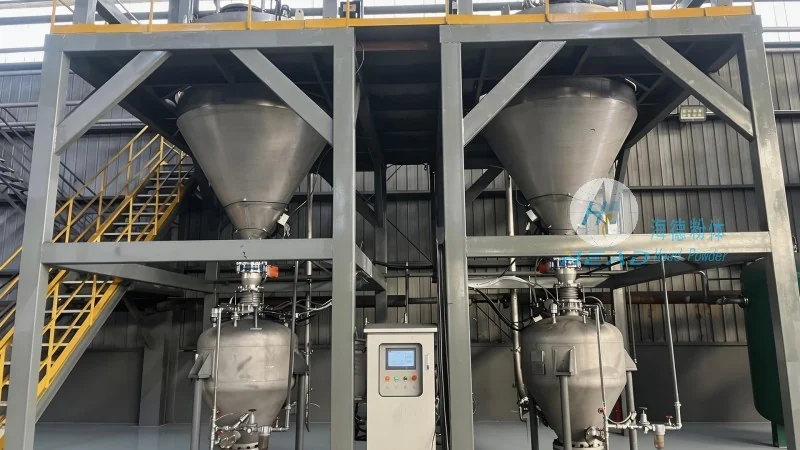
Key Components of a Phosphorus Pentachloride Material Handling System
A PCl₅ material handling system typically consists of several critical components that work in tandem to transport and store the chemical safely. The primary components include:
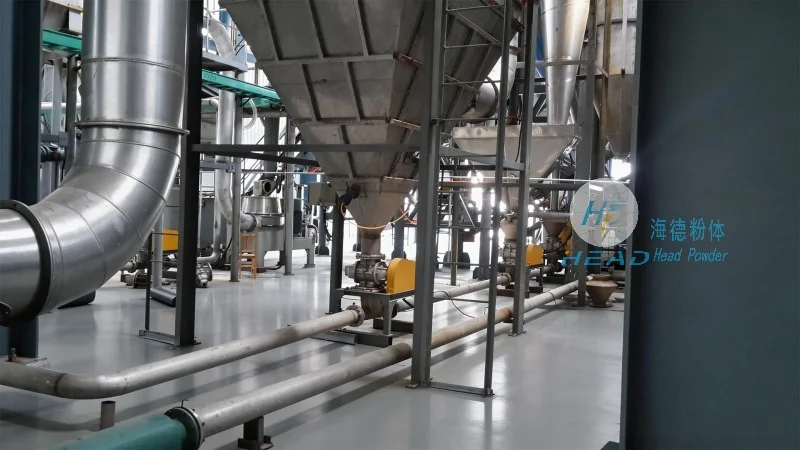
- Storage Tanks: These are specially designed vessels made from corrosion-resistant materials like Hastelloy, titanium, or high-grade stainless steel to withstand the aggressive nature of PCl₅. The tanks are equipped with pressure relief valves, temperature sensors, and level indicators to monitor internal conditions and prevent over-pressurization or overheating.
- Pumps: PCl₅ is often handled as a liquid or gas under pressure. The system uses specialized pumps, such as diaphragm pumps or metering pumps, which are constructed from materials compatible with PCl₅ to avoid chemical degradation or contamination. These pumps are designed to maintain consistent flow rates and pressure levels during transfer operations.
- Piping and Fittings: The piping network is made from materials like PTFE, PFA, or other fluoropolymers, which provide excellent chemical resistance and low friction. The system includes check valves, flow meters, and pressure regulators to control the direction and rate of PCl₅ flow, ensuring smooth and controlled transfer.
- Sealing and Gasketing: Proper sealing is crucial to prevent leaks and exposure to the environment. The system employs high-performance gaskets and seals made from materials like PTFE, PTFE-lined metal, or specialized elastomers that are resistant to PCl₅ and its decomposition products.
- Safety Equipment: Safety is paramount in PCl₅ handling. The system includes emergency shut-off valves, fire suppression systems, and gas detection devices to monitor for leaks or hazardous conditions. Additionally, personal protective equipment (PPE) such as gloves, goggles, and respirators are required for personnel operating the system.
Design Principles for a Phosphorus Pentachloride Material Handling System
The design of a PCl₅ material handling system follows several key principles to ensure safety, efficiency, and compliance with industry standards. These principles include:
- Pressure and Temperature Control: PCl₅ is sensitive to temperature changes, which can affect its vapor pressure and reactivity. The system incorporates temperature control mechanisms, such as cooling jackets or heat exchangers, to maintain the PCl₅ at a stable temperature range. Pressure control is achieved through pressure relief valves and regulators to prevent over-pressurization, which could lead to leaks or equipment failure.
- Corrosion Resistance: Given PCl₅'s corrosive properties, all components in contact with the chemical must be made from materials that resist chemical attack. This includes the use of Hastelloy, titanium, or high-grade stainless steel for tanks and pumps, and fluoropolymers for piping and seals.
- Leak Prevention: The system is designed with multiple layers of leak prevention measures. This includes double containment, redundant seals, and regular inspection and maintenance protocols to detect and address any potential leaks before they become hazardous.
- Process Integration: The PCl₅ material handling system is integrated with the overall production process to ensure seamless operation. This includes connecting the system to downstream equipment, such as reactors or reactors, with minimal dead space and proper flow control to avoid accumulation or contamination.
- Compliance with Regulations: The design adheres to relevant safety and environmental regulations, such as those from the Occupational Safety and Health Administration (OSHA) and the Environmental Protection Agency (EPA). This includes proper labeling, storage, and disposal procedures for PCl₅ and its byproducts.
Operational Considerations and Maintenance
Proper operation and maintenance of a PCl₅ material handling system are essential to ensure its longevity and safety. Key operational considerations include:
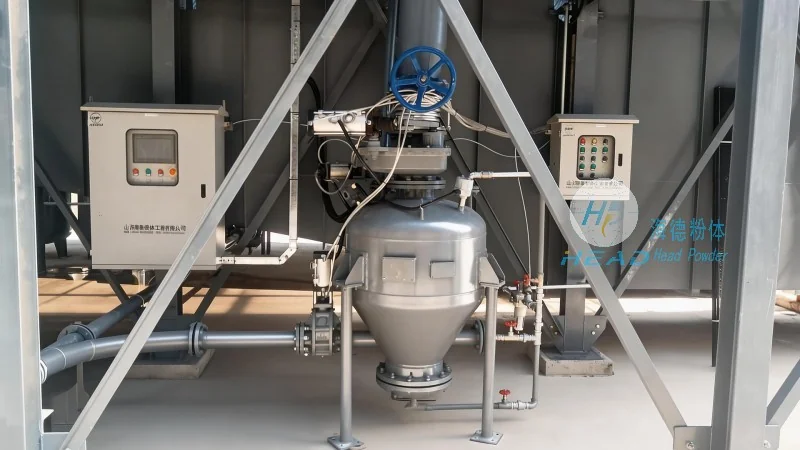
- Pre-Operational Checks: Before initiating any transfer or storage operation, all components must be inspected for leaks, damage, or wear. This includes checking seals, gaskets, and piping for signs of corrosion or degradation.
- Temperature and Pressure Monitoring: Continuous monitoring of temperature and pressure is critical to detect any abnormal conditions that could indicate a problem with the system. Alerts are set to trigger when parameters exceed safe limits, allowing for immediate action.
- Regular Maintenance: The system requires regular maintenance, including cleaning, inspection, and replacement of components as needed. This includes flushing the system with inert gases to remove any residual PCl₅ before maintenance work, and replacing seals and gaskets according to the manufacturer's recommendations.
- Training and Safety Protocols: Personnel operating the system must be properly trained in the safe handling of PCl₅ and the use of safety equipment. This includes understanding emergency procedures, such as how to shut down the system in case of a leak or fire, and how to respond to exposure incidents.
About Shandong HeadPowder Engineering Co., Ltd.
Shandong HeadPowder Engineering Co., Ltd., commonly known as HeadPowder, is a leading provider of specialized engineering solutions for chemical processing and material handling systems. With years of experience in the industry, HeadPowder specializes in designing, manufacturing, and installing equipment for handling hazardous chemicals like phosphorus pentachloride. The company is committed to providing safe, reliable, and efficient solutions that meet the highest standards of quality and safety. HeadPowder's headquarters is located in Shandong, China, where the company maintains a state-of-the-art facility for research, development, and production of chemical processing equipment.

 Shandong Headpowder Engineering Co., Ltd.
 156-6277-7102(Manager Zhang)
  0531-83386006
  Zhangqiu District, Jinan City, Shandong Province, China