With more than 10‑year industry experience, Shandong Headpowder delivers full‑service pneumatic‑conveying systems and blowers, undertaking nationwide turn‑key powder‑handling projects.
Chlorinated polyethylene (CPE) pneumatic conveyors are specialized industrial equipment designed for efficient and reliable material handling in various industries. These systems utilize compressed air or vacuum to transport bulk materials through a sealed pipeline system. As a key component in material processing and logistics, CPE pneumatic conveyors offer advantages such as low maintenance, minimal product contamination, and the ability to handle a wide range of materials, including powders, granules, and fine particles.
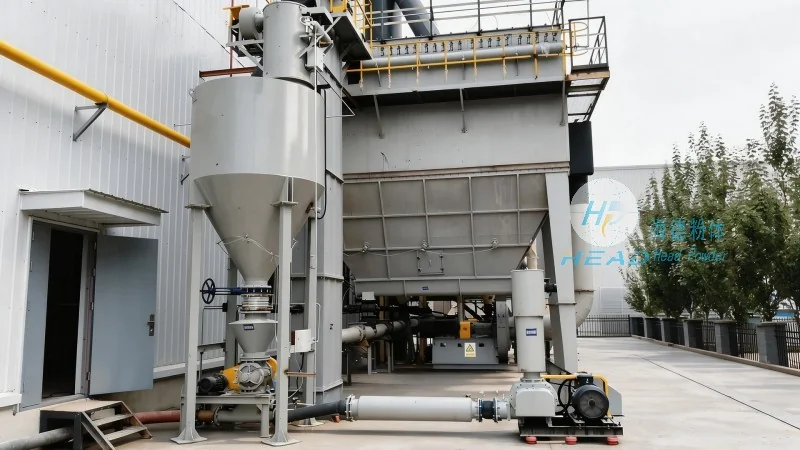
HeadPowder, a leading manufacturer based in Shandong, China, specializes in the design, development, and production of advanced material handling solutions. With a strong commitment to quality and innovation, the company has established itself as a trusted partner for industries requiring efficient and durable pneumatic conveying systems. HeadPowder's expertise lies in tailoring equipment to meet specific operational needs, ensuring optimal performance and longevity for clients across diverse sectors.
The design of CPE pneumatic conveyors is based on fundamental principles of fluid dynamics and material physics. The core concept involves creating a flow of air or gas that propels the material through the pipeline. In pressure systems, compressed air is introduced at the inlet, while in vacuum systems, a vacuum is created at the discharge end. The choice between pressure and vacuum depends on the application requirements, such as the distance to be covered, the material's characteristics, and the need for containment. CPE, a modified polyethylene with chlorine added, provides excellent resistance to chemicals, abrasion, and UV radiation, making it ideal for harsh environments and corrosive materials.
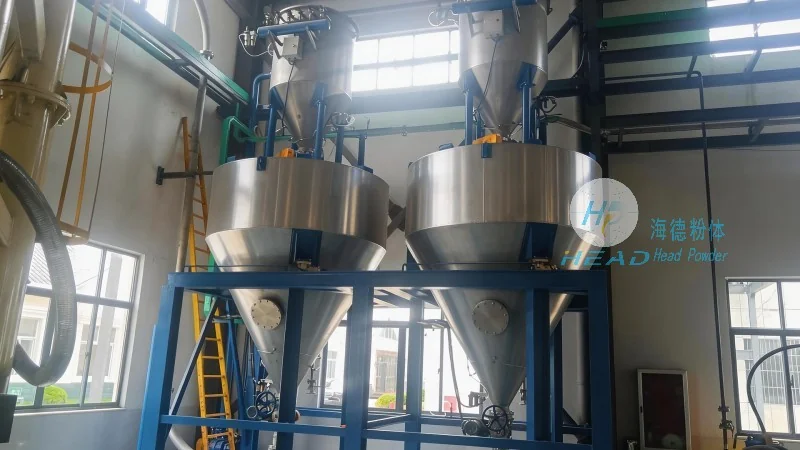
Chlorinated polyethylene pneumatic conveyors typically consist of several critical components, each playing a vital role in the overall operation. The main components include the material hopper or feeder, which supplies the material to the system; the air or gas source (compressor or vacuum pump); the conveying pipeline, often made from CPE or other corrosion-resistant materials; the separation and collection system, which separates the material from the air at the discharge end; and the control system, which regulates the flow and pressure to maintain optimal performance.
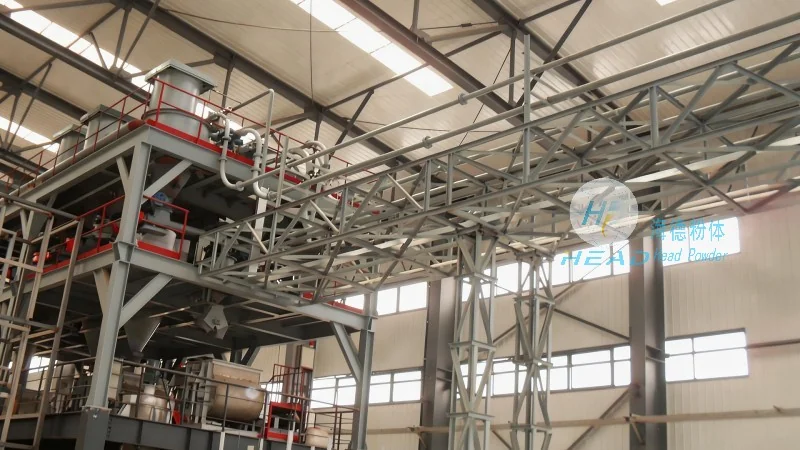
Compared to traditional mechanical conveyors, CPE pneumatic conveyors offer several advantages that make them a preferred choice for many industries. These include: 1) Flexibility in layout, as the pipeline can be installed in various configurations to suit the plant layout; 2) Low maintenance due to the absence of moving parts in the main conveying line; 3) Minimal product contamination, as the sealed system prevents exposure to external elements; 4) Ability to handle a wide range of materials, including those that are abrasive, corrosive, or sensitive to moisture; and 5) Energy efficiency in certain applications, particularly when vacuum systems are used for short distances.
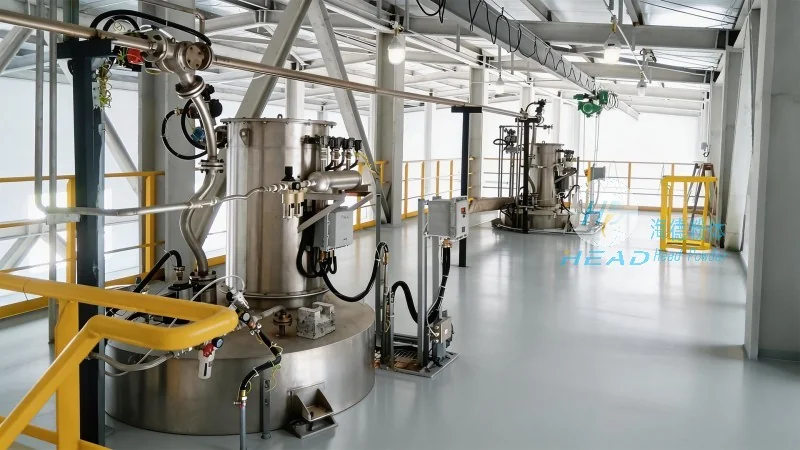
CPE pneumatic conveyors are widely used across multiple industries due to their versatility and reliability. In the chemical industry, they are used to transport powders and granules that may be corrosive or reactive. In the food and pharmaceutical sectors, the sealed system ensures product purity and compliance with hygiene standards. The construction industry utilizes these systems for transporting cement, sand, and other bulk materials. Additionally, in the mining and mineral processing industries, CPE pneumatic conveyors are employed to handle abrasive and heavy materials, such as ores and minerals.
HeadPowder offers customized solutions tailored to the specific needs of each client. The company's engineers work closely with clients to assess operational requirements, material characteristics, and environmental conditions to design a pneumatic conveyor system that maximizes efficiency and performance. Customization may include adjustments to the conveying capacity, pipeline length, material feed rate, and control system. Integration with existing plant infrastructure is also a key consideration, ensuring seamless operation and minimal disruption to production processes.

 Shandong Headpowder Engineering Co., Ltd.
 156-6277-7102(Manager Zhang)
  0531-83386006
  Zhangqiu District, Jinan City, Shandong Province, China
telephone
WeChatconsult
top