With more than 10‑year industry experience, Shandong Headpowder delivers full‑service pneumatic‑conveying systems and blowers, undertaking nationwide turn‑key powder‑handling projects.
Polysilicon, a critical raw material in the semiconductor industry, requires efficient and reliable transportation methods to ensure smooth production processes. The polysilicon pneumatic conveying system is a specialized equipment designed to handle this material with precision and safety. This article will explore what such a system entails and the underlying design principles that make it effective.
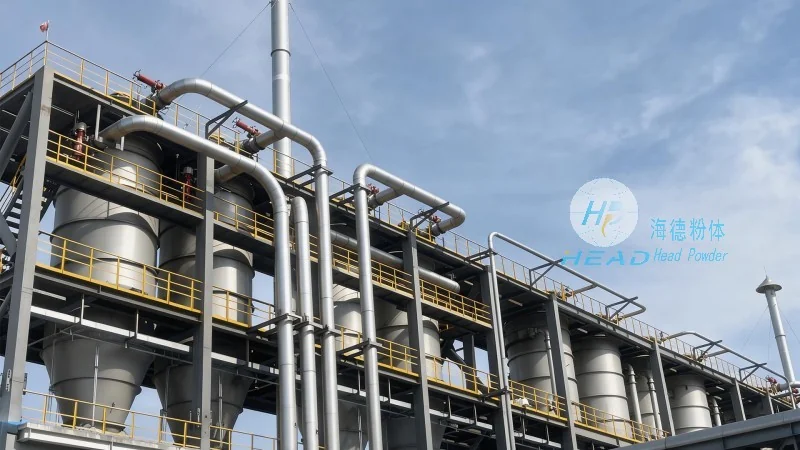
HeadPowder, or Shandong HeadPowder Engineering Co., Ltd., based in Shandong, China, specializes in engineering solutions for material handling, including advanced pneumatic conveying systems tailored for high-value materials like polysilicon.
A polysilicon pneumatic conveying system is a closed-loop or open-loop system that uses compressed air or other gases to transport polysilicon particles from one location to another. Unlike traditional bulk material handling methods, this system minimizes dust exposure and contamination, which is crucial for maintaining the purity of polysilicon—a key factor in semiconductor manufacturing.
The design of a polysilicon pneumatic conveying system is guided by several critical principles to ensure optimal performance and material integrity. These include:
1. **Material Compatibility**: The system components, such as pipes, valves, and pumps, are constructed from materials that are chemically inert and resistant to polysilicon's properties, preventing any reaction or degradation that could affect the material's quality.
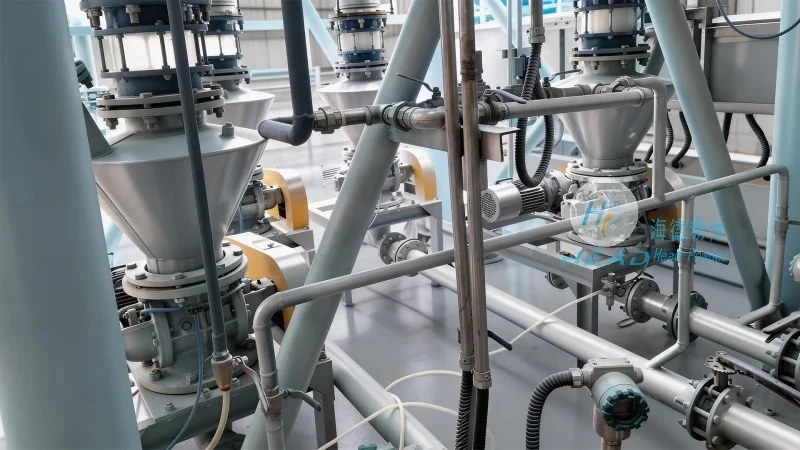
2. **Pressure and Flow Control**: Precise control of air pressure and flow rate is essential to maintain consistent material velocity and prevent blockages or excessive wear on system parts. This ensures the material moves smoothly through the conveying lines without causing damage.
3. **Dust Suppression and Filtration**: To protect both the environment and the material, the system incorporates advanced filtration and dust suppression mechanisms. This not only meets environmental regulations but also maintains the purity of the polysilicon by preventing airborne contamination.
4. **Safety and Reliability**: The design prioritizes safety features, such as pressure relief valves and emergency shut-off systems, to prevent accidents and ensure continuous operation. Reliability is also enhanced through robust construction and regular maintenance protocols.
The polysilicon pneumatic conveying system consists of several key components that work in tandem to achieve efficient material transport. These include:
1. **Air Supply Unit**: This component generates and regulates the compressed air or gas used to move the polysilicon particles. It typically includes an air compressor, filter, and regulator to ensure consistent pressure and clean air.
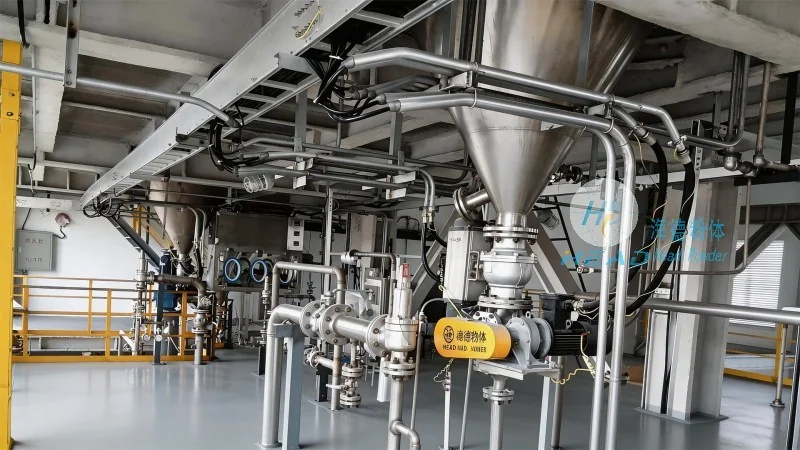
2. **Conveying Lines**: These are the pipes through which the polysilicon travels. They are usually made of materials like stainless steel or special polymers that are resistant to the material's abrasiveness and chemical properties.
3. **Feeding and Discharge Equipment**: The system includes devices to introduce the polysilicon into the conveying line (e.g., feeders) and to discharge it at the destination (e.g., silos or processing units). These components are designed to handle the material without causing clogging or spillage.
4. **Control and Monitoring Systems**: Modern systems incorporate sensors and control panels to monitor pressure, flow, and other parameters in real-time. This allows operators to adjust the system settings as needed to maintain optimal performance and prevent issues.
Implementing a polysilicon pneumatic conveying system offers several advantages over traditional material handling methods. These include:
1. **Enhanced Material Purity**: By minimizing exposure to air and contaminants, the system ensures the polysilicon remains in its purest form, which is critical for semiconductor applications where even minor impurities can affect device performance.
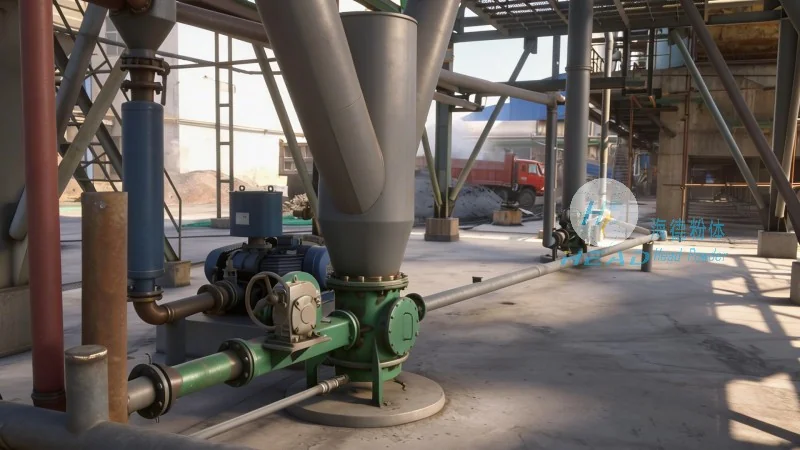
2. **Reduced Labor and Maintenance Costs**: The automated nature of the system reduces the need for manual handling, lowering labor costs and minimizing the risk of human error. Additionally, the robust design reduces the frequency of maintenance and repairs.
3. **Improved Safety and Environmental Compliance**: The enclosed system design reduces dust emissions and protects workers from exposure to harmful particles. This not only improves workplace safety but also helps companies meet environmental regulations.
4. **Flexibility and Scalability**: The system can be easily customized to accommodate different production volumes and layouts. It can also be expanded or modified as production needs change, providing long-term value.
Polysilicon pneumatic conveying systems are essential equipment for the semiconductor industry, providing efficient, safe, and reliable transportation of this high-value material. The design principles and components work together to ensure optimal performance while maintaining the purity and integrity of the polysilicon. Companies like Shandong HeadPowder Engineering Co., Ltd. specialize in developing and implementing such systems, offering tailored solutions to meet the specific needs of their clients in the polysilicon supply chain.

 Shandong Headpowder Engineering Co., Ltd.
 156-6277-7102(Manager Zhang)
  0531-83386006
  Zhangqiu District, Jinan City, Shandong Province, China
telephone
WeChatconsult
top