With more than 10‑year industry experience, Shandong Headpowder delivers full‑service pneumatic‑conveying systems and blowers, undertaking nationwide turn‑key powder‑handling projects.
For those in the construction and material handling industries, understanding the technology behind efficient material transport is crucial. A key component in this field is the sand and gravel pneumatic conveying system, which offers a solution for moving bulk materials like sand, gravel, and other granular substances. This article aims to explain what such a system is and delve into its design principles, providing a clear overview for professionals seeking to enhance their material handling processes.
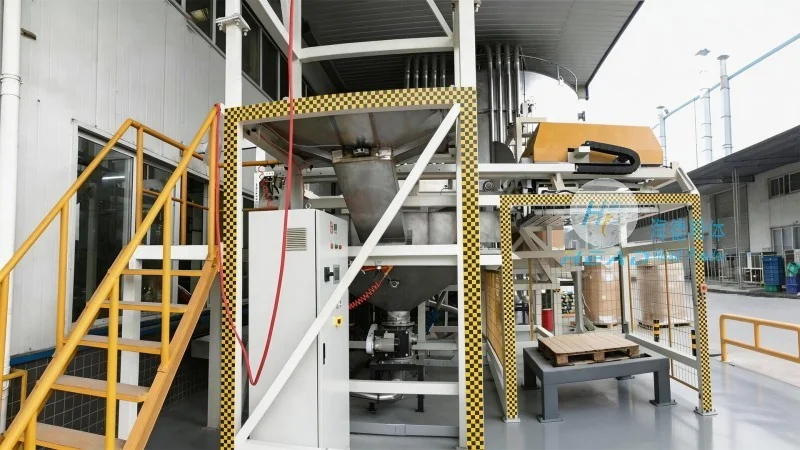
A sand and gravel pneumatic conveying system is a type of equipment used to transport dry, granular materials through a pipeline using air or gas as the conveying medium. Unlike traditional methods like belt conveyors or trucks, pneumatic systems offer advantages such as flexibility in layout, the ability to handle materials in enclosed environments, and reduced dust exposure. The system typically consists of a hopper for material storage, a feeder to control the flow rate, a compressor to generate the air pressure, and a pipeline network to transport the material to its destination. The core of the system is the pneumatic conveying pipeline, which can be either positive pressure or negative pressure, depending on the application and material characteristics.
Several critical components work together to ensure the efficient operation of a sand and gravel pneumatic conveying system. The first is the material hopper, which stores the sand or gravel and provides a consistent feed to the system. The hopper is often equipped with a discharge valve or feeder to regulate the material flow, preventing overloading or blockages. Next is the feeder, which can be a rotary valve, screw feeder, or other device that controls the rate at which material enters the pipeline. This component is vital for maintaining a stable pressure and flow within the system. The compressor is another essential part, as it generates the necessary air pressure to move the material through the pipeline. Compressors can be of various types, including rotary lobe, screw, or centrifugal, each chosen based on the system's requirements and the material being conveyed. Finally, the pipeline network connects all components and transports the material from the source to the destination. The pipeline is usually made of metal or plastic, with appropriate fittings and valves to control the flow direction and pressure.
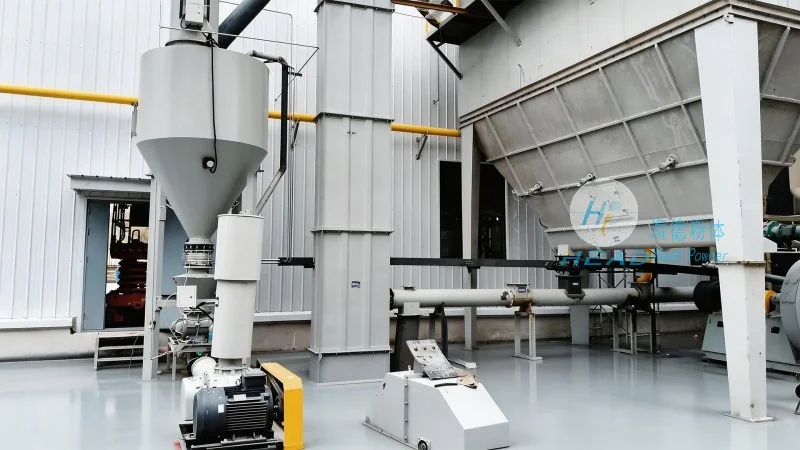
The design of a sand and gravel pneumatic conveying system is based on several fundamental principles to ensure optimal performance and efficiency. The first principle is the selection of the appropriate conveying method, which depends on the material's properties and the system's layout. Positive pressure systems use compressed air to push the material through the pipeline, while negative pressure systems use suction to draw the material. The choice between these methods affects the system's energy consumption and the risk of material degradation. Another key principle is the calculation of the required air velocity and pressure. The air velocity must be high enough to prevent material settling in the pipeline but not so high as to cause excessive wear or energy waste. The pressure drop along the pipeline is also a critical factor, as it determines the compressor's power requirements and the overall system efficiency. Engineers must consider factors such as pipeline length, diameter, and the material's density and particle size to calculate the correct air velocity and pressure. Additionally, the system's layout and the placement of components are crucial for minimizing pressure losses and ensuring smooth material flow. Proper design includes avoiding sharp turns, maintaining consistent pipeline diameter, and using appropriate fittings to reduce turbulence and energy loss. The design also takes into account the material's characteristics, such as its moisture content and abrasiveness, to select suitable components and materials for the pipeline and equipment.
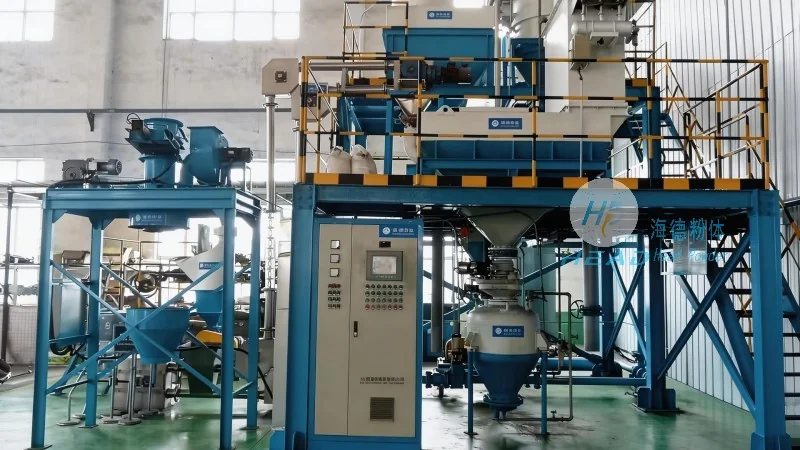
Implementing a sand and gravel pneumatic conveying system offers several advantages over traditional material handling methods. One of the primary benefits is the ability to transport materials in an enclosed environment, which reduces dust exposure and improves workplace safety. This is particularly important for sand and gravel, which can be fine and easily airborne, posing health risks to workers. Another advantage is the flexibility in system layout. Pneumatic systems can be installed in various configurations, including vertical, horizontal, or a combination of both, to fit the space constraints of a facility. This flexibility allows for more efficient use of space and easier integration with existing equipment. The system also offers high material handling capacity, as it can transport large volumes of sand and gravel quickly and continuously. This is beneficial for construction projects that require a steady supply of materials, as it reduces downtime and improves productivity. Additionally, pneumatic conveying systems are relatively low maintenance compared to other methods, as they have fewer moving parts and are less prone to wear and tear. The enclosed nature of the system also helps prevent material contamination, ensuring that the sand and gravel remain clean and free from foreign particles. Finally, the system's ability to handle materials in bulk reduces the need for manual handling, which can improve worker safety and reduce labor costs.
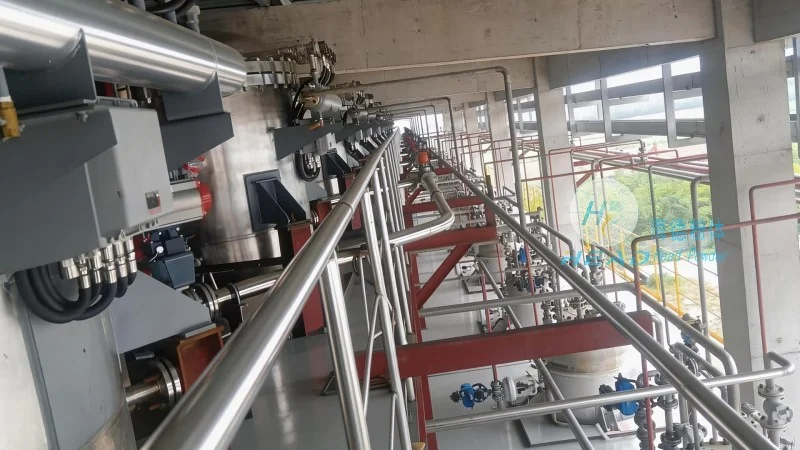
Sand and gravel pneumatic conveying systems are widely used in the construction industry for various applications. One common use is in concrete production, where the system transports sand and gravel from storage facilities to the batching plant. This ensures a consistent supply of materials and reduces the time required for manual loading. Another application is in road construction, where the system moves sand and gravel to the construction site for road base and subgrade preparation. The system's ability to handle large volumes and operate in enclosed environments makes it ideal for these applications. Additionally, the system is used in mining operations to transport ore and other materials from the mine to processing facilities. The system's flexibility and high capacity make it suitable for these demanding applications. In addition, the system is used in industrial settings, such as cement plants, where it transports raw materials like limestone and sand to the production line. The system's ability to handle abrasive materials and maintain a clean environment is crucial for these applications. Overall, the sand and gravel pneumatic conveying system is a versatile and efficient solution for material handling in the construction and related industries.
In conclusion, a sand and gravel pneumatic conveying system is a sophisticated piece of equipment designed to efficiently transport bulk materials using air or gas as the conveying medium. The system's design is based on several key principles, including the selection of the appropriate conveying method, calculation of air velocity and pressure, and proper layout of components. The advantages of using such a system include reduced dust exposure, flexibility in layout, high material capacity, and low maintenance. The system is widely used in the construction industry for applications such as concrete production, road construction, and mining operations. For those seeking to implement or upgrade their material handling systems, understanding the design principles and benefits of pneumatic conveying is essential. Shandong HeadPowder Engineering Co., Ltd., a leading provider of material handling solutions, specializes in designing and manufacturing pneumatic conveying systems tailored to the specific needs of clients. With a focus on quality and efficiency, HeadPowder offers systems that enhance productivity and improve workplace safety. The company's headquarters is located in Shandong, China, and it serves clients worldwide with reliable and innovative solutions for their material handling challenges.

 Shandong Headpowder Engineering Co., Ltd.
 156-6277-7102(Manager Zhang)
  0531-83386006
  Zhangqiu District, Jinan City, Shandong Province, China
telephone
WeChatconsult
top