With more than 10‑year industry experience, Shandong Headpowder delivers full‑service pneumatic‑conveying systems and blowers, undertaking nationwide turn‑key powder‑handling projects.
Shredded paper material conveying systems are essential components in various industrial and commercial settings, particularly in facilities that handle large volumes of paper waste. These systems are engineered to efficiently transport shredded paper from one location to another, ensuring smooth operations and maintaining the integrity of the material throughout the process. Understanding the design principles behind such systems is crucial for optimizing performance, enhancing safety, and reducing operational costs.
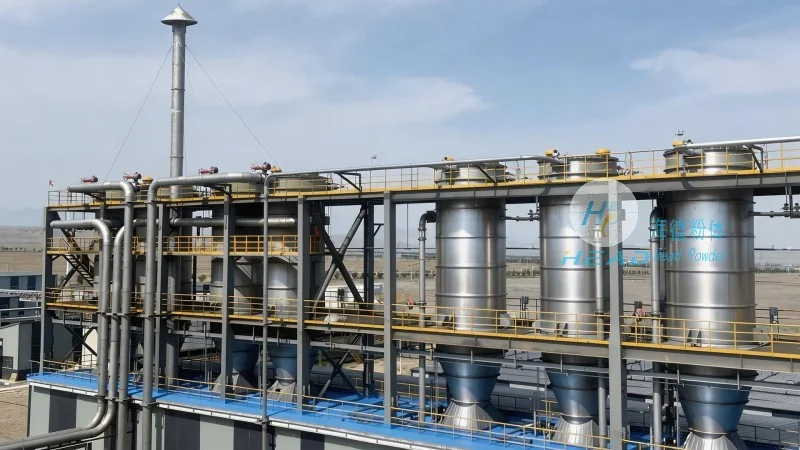
A shredded paper material conveying system typically consists of several key components, including a shredding unit, a conveyor mechanism, and a control system. The shredding unit breaks down paper into smaller, manageable pieces, while the conveyor transports these pieces to a designated storage or processing area. The control system manages the entire operation, ensuring that the system runs smoothly and efficiently. These systems are commonly used in recycling facilities, waste management plants, and industrial paper processing plants.
Efficient design of a shredded paper material conveying system relies on several fundamental principles. First, the system must be capable of handling the specific characteristics of shredded paper, such as its lightweight nature and tendency to create dust or airborne particles. This often involves using specialized conveyor belts or belts with appropriate surface textures to prevent slippage and ensure consistent movement. Second, the system should be designed for durability and low maintenance, as it will be exposed to continuous use and potentially harsh environmental conditions. Materials like stainless steel or heavy-duty plastic are commonly used for components that come into direct contact with the shredded material to resist wear and corrosion.
Third, the system must incorporate effective dust control measures. Shredded paper can generate significant dust, which not only affects air quality but also poses health risks to workers. Designers often include dust collection systems, such as filters or cyclones, integrated into the conveyor to capture and remove airborne particles. Additionally, the system may feature enclosed or semi-enclosed structures to minimize dust dispersion and improve overall safety. Fourth, the design should prioritize energy efficiency. By optimizing the conveyor speed, motor selection, and system layout, operators can reduce energy consumption while maintaining optimal performance. This not only lowers operational costs but also aligns with sustainability goals.
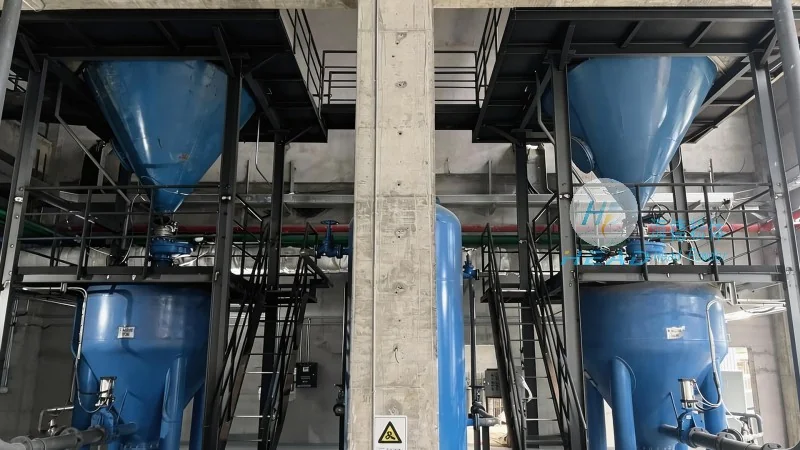
Each component of a shredded paper material conveying system plays a critical role in its overall functionality. The shredding unit, often a high-capacity industrial shredder, breaks down incoming paper into uniform pieces. The size and type of shredder depend on the specific application and the desired output size of the shredded material. The conveyor mechanism, which can be a belt conveyor, screw conveyor, or pneumatic conveyor, transports the shredded paper. Belt conveyors are widely used due to their simplicity and ability to handle a wide range of materials, including lightweight shredded paper. Screw conveyors are suitable for materials that are more cohesive or have a higher moisture content, as they provide better control over the material flow. Pneumatic conveyors use air pressure to move the material, which is particularly effective for fine, dusty shredded paper.
The control system is another vital component, responsible for monitoring and regulating the operation of the entire system. It may include sensors to detect the level of material in the hopper or on the conveyor, as well as controls to adjust the speed of the conveyor or the shredding rate. This ensures that the system operates at an optimal level, preventing overloading or underutilization. The control system may also include safety features, such as emergency stop buttons or sensors that detect obstructions, to protect workers and equipment from damage.
Shredded paper material conveying systems are used in a variety of applications across different industries. In recycling facilities, these systems help transport shredded paper to processing plants where it can be repurposed into new paper products. In waste management plants, they assist in moving shredded paper to landfills or composting facilities. Industrial paper processing plants use these systems to move shredded paper from the shredding stage to the baling or packaging stage. The benefits of using such systems include improved efficiency, reduced labor costs, enhanced safety, and better environmental management. By automating the material handling process, these systems minimize the need for manual labor, which can be dangerous and inefficient. Additionally, they help in maintaining a clean and organized workspace, reducing the risk of accidents and improving overall productivity.
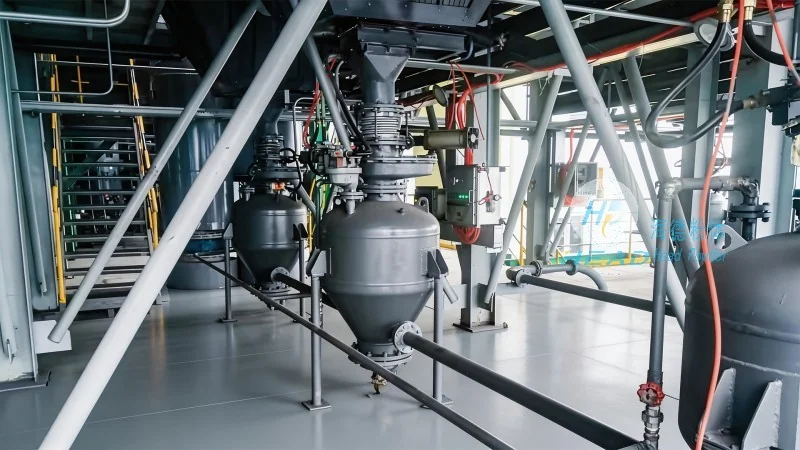
Shredded paper material conveying systems can be customized to meet the specific needs of different applications. Manufacturers often offer a range of options, such as different conveyor lengths, widths, and speeds, as well as various control system configurations. This allows users to tailor the system to their unique requirements, whether they need to handle a large volume of shredded paper or require a system that integrates with existing equipment. Integration with other systems, such as shredding units or baling machines, is also common. This allows for a seamless flow of material from one stage to the next, improving overall operational efficiency. For example, a conveyor system can be connected directly to a baling machine, allowing the shredded paper to be automatically loaded and compressed without manual intervention.
Maintaining a shredded paper material conveying system is essential to ensure its long-term performance and reliability. Regular maintenance tasks include cleaning the conveyor belts or screws, checking for wear and tear on components, and inspecting the control system for any issues. It is important to follow the manufacturer's guidelines for maintenance to prevent unexpected breakdowns and extend the lifespan of the system. Operational considerations also play a role in the system's performance. For instance, the system should be operated within its specified capacity to avoid overloading and potential damage. Additionally, proper training for operators is crucial to ensure they understand how to use the system safely and efficiently. By following these guidelines, users can maximize the benefits of their shredded paper material conveying system and minimize downtime.
In conclusion, shredded paper material conveying systems are critical for efficient and safe handling of paper waste in various industrial and commercial settings. The design principles behind these systems focus on efficiency, durability, dust control, and energy conservation. By understanding and implementing these principles, manufacturers and users can optimize the performance of their systems, reduce costs, and improve overall operational efficiency. As the demand for sustainable waste management solutions continues to grow, the importance of such systems will only increase, making them a vital component in the future of industrial operations.

 Shandong Headpowder Engineering Co., Ltd.
 156-6277-7102(Manager Zhang)
  0531-83386006
  Zhangqiu District, Jinan City, Shandong Province, China
telephone
WeChatconsult
top