With more than 10‑year industry experience, Shandong Headpowder delivers full‑service pneumatic‑conveying systems and blowers, undertaking nationwide turn‑key powder‑handling projects.
For industrial applications requiring efficient and reliable material handling, the sponge sand pneumatic conveying system equipment stands out as a sophisticated solution. This system is engineered to transport granular materials like sponge sand through an air-driven process, offering advantages such as reduced maintenance, minimal product contamination, and enhanced operational flexibility. In this article, we delve into the components, operational mechanics, and design principles of this equipment, while highlighting the expertise of Shandong HeadPowder Engineering Co., Ltd. in providing high-quality solutions for various industrial needs.
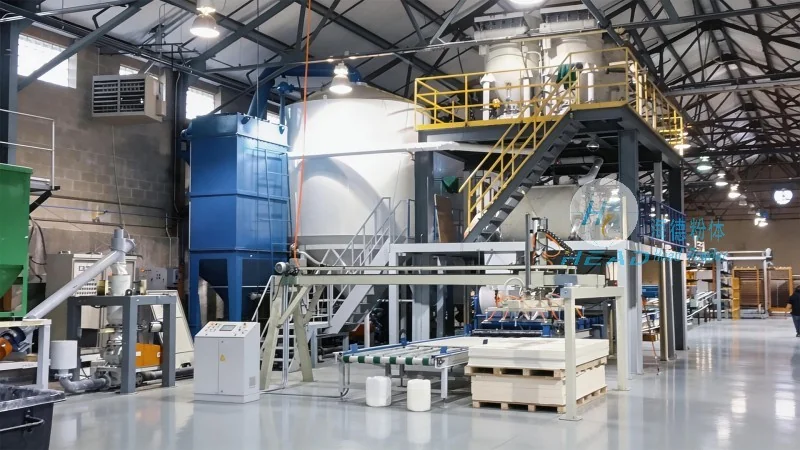
The sponge sand pneumatic conveying system comprises several critical components that work in tandem to ensure smooth material transport. The primary elements include a hopper for material storage, a blower or compressor to generate the air flow, a pipeline network to guide the material, and a receiver or discharge unit for the final output. Each component is designed to withstand the specific demands of handling sponge sand, ensuring durability and efficiency. The hopper is typically equipped with a feeding mechanism, such as a rotary valve or a screw feeder, which controls the material flow into the system. The blower or compressor provides the necessary air pressure to create a consistent flow, while the pipeline network, often made of stainless steel or other corrosion-resistant materials, minimizes friction and ensures the material travels without blockages. The receiver or discharge unit collects the transported sponge sand and may include a dust collection system to maintain air quality and prevent environmental contamination.

The design of the sponge sand pneumatic conveying system is based on fundamental principles of fluid dynamics and material handling. The system operates on the principle of creating a low-pressure or high-pressure air stream that entrains the sponge sand particles, allowing them to be transported through the pipeline. This process, known as pneumatic conveying, relies on the balance between air velocity and particle size to prevent clogging and ensure consistent flow. The design considers factors such as the material's density, particle size distribution, and moisture content, as these characteristics directly impact the system's performance. For sponge sand, which is a lightweight, granular material, the system is optimized to maintain a stable air flow and prevent particle separation or segregation. The blower's capacity is matched to the system's requirements, ensuring sufficient air volume to lift and transport the material without excessive energy consumption. Additionally, the system incorporates features like air filtration and pressure regulation to maintain optimal conditions and protect the equipment from damage.
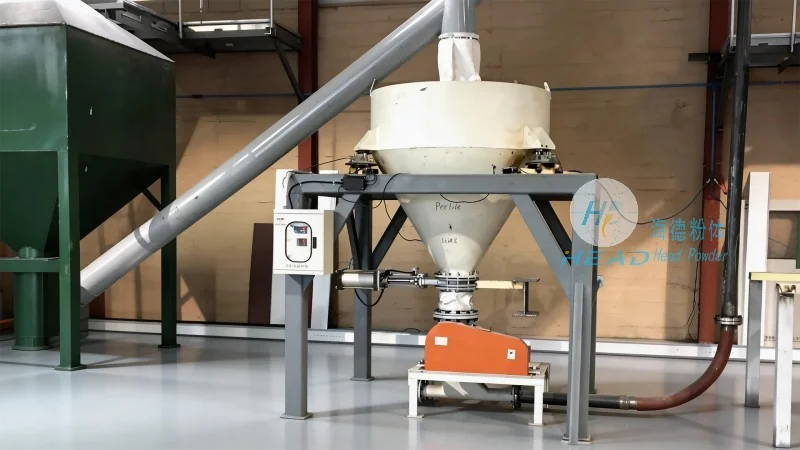
Implementing a sponge sand pneumatic conveying system offers numerous benefits for industrial operations. One of the key advantages is the reduction in labor costs, as the automated system minimizes the need for manual handling of materials. This not only improves efficiency but also enhances workplace safety by eliminating the risk of manual lifting and transportation. The system also reduces product contamination, as it operates in a closed environment, preventing exposure to dust, moisture, or other contaminants. This is particularly important for sponge sand, which is often used in applications where purity is critical, such as in the manufacturing of construction materials or industrial products. Furthermore, the system provides flexibility in material transport, allowing for horizontal, vertical, or inclined transport routes, depending on the layout of the industrial facility. This adaptability makes it suitable for various production environments and can be integrated with existing equipment without significant modifications. The low maintenance requirements of the system also contribute to cost savings, as it has fewer moving parts compared to traditional mechanical conveyors, reducing the likelihood of breakdowns and maintenance downtime.
The sponge sand pneumatic conveying system is widely used across various industries due to its versatility and efficiency. In the construction industry, it is employed to transport sand and other granular materials for concrete production, ensuring consistent quality and reducing waste. The system is also utilized in the manufacturing of building materials, such as bricks and tiles, where precise material handling is essential for product uniformity. Additionally, it plays a crucial role in the chemical and pharmaceutical industries, where the transport of fine powders like sponge sand requires strict contamination control. The system's ability to handle materials in a closed environment makes it suitable for applications where hygiene and product purity are paramount. Other industries that benefit from this technology include mining, where it is used to transport ore and other minerals, and food processing, where it handles ingredients like sand or other granular components. The adaptability of the system allows it to be customized for specific industry requirements, making it a reliable choice for diverse industrial applications.
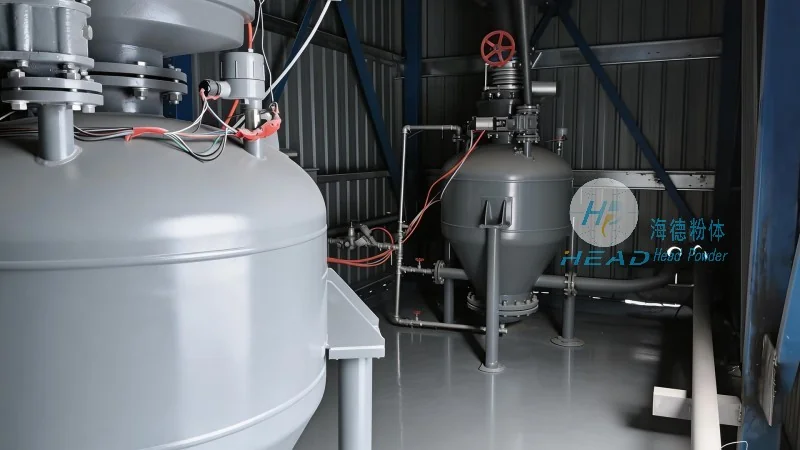
Shandong HeadPowder Engineering Co., Ltd., a leading provider of industrial material handling solutions, specializes in designing and manufacturing sponge sand pneumatic conveying systems tailored to the unique needs of each client. The company's expertise lies in understanding the specific requirements of different industries and developing customized solutions that optimize performance and efficiency. With a focus on quality and innovation, HeadPowder engineers work closely with clients to assess their material handling challenges and propose the most suitable system configurations. The company's manufacturing facilities in Shandong, China, utilize advanced technology and rigorous quality control processes to ensure that each system meets the highest standards of performance and durability. Clients can benefit from the company's experience in handling various materials, including sponge sand, and their ability to integrate the conveying system with existing production lines. The customization options include adjustments to the blower capacity, pipeline design, and control systems to match the specific operational conditions of the facility. HeadPowder also provides comprehensive after-sales support, including maintenance services and technical assistance, to ensure the long-term reliability of the equipment. By partnering with HeadPowder, industrial facilities can enhance their material handling capabilities and achieve greater operational efficiency.

 Shandong Headpowder Engineering Co., Ltd.
 156-6277-7102(Manager Zhang)
  0531-83386006
  Zhangqiu District, Jinan City, Shandong Province, China
telephone
WeChatconsult
top