With more than 10‑year industry experience, Shandong Headpowder delivers full‑service pneumatic‑conveying systems and blowers, undertaking nationwide turn‑key powder‑handling projects.
Refractory materials are fundamental components in various high-temperature industrial processes, such as steelmaking, cement production, and glass manufacturing. The efficient and reliable transport of these powders is critical to maintaining production efficiency and ensuring product quality. A refractory powder conveying system is a specialized setup designed to handle the movement of refractory powders from storage to processing points with precision and control. This article explores the core components and design principles of such systems, highlighting the expertise of Shandong HeadPowder Engineering Co., Ltd., a leading provider in the field.
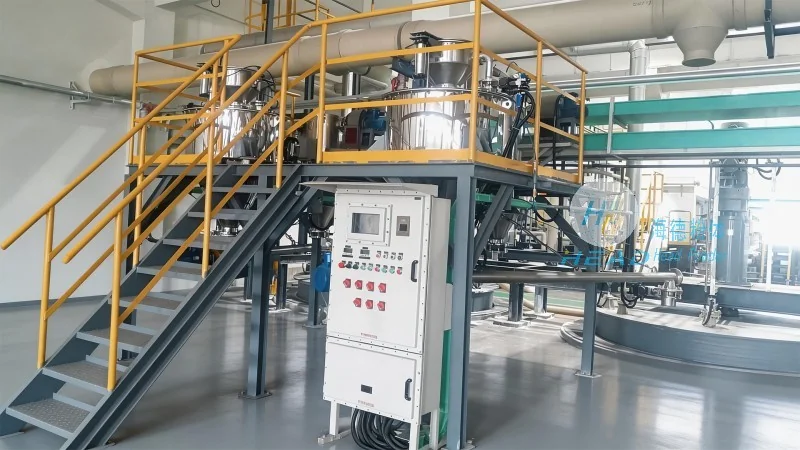
Refractory powder conveying systems are engineered to manage the handling of refractory powders, which often include materials like alumina, silica, magnesia, and other high-temperature-resistant compounds. These powders are typically fine and can be abrasive, requiring specialized equipment to prevent clogging, degradation, or contamination. The system's primary goal is to ensure that refractory powders are transported safely, efficiently, and in a manner that preserves their properties for downstream applications.
The design of a refractory powder conveying system involves several critical components, each playing a vital role in the overall functionality. These components include:
1. Storage Hoppers: Large, airtight hoppers are used to store refractory powders, preventing moisture absorption and maintaining material integrity. The hoppers are designed with smooth interiors to minimize material buildup and facilitate easy discharge.
2. Feeding Devices: Equipment like rotary valves or screw feeders is used to control the flow of powder from the storage hopper to the conveying line. These devices ensure a consistent and controlled feed rate, which is crucial for maintaining system stability.
3. Conveying Equipment: Depending on the application and material characteristics, different conveying methods are employed. Common options include pneumatic conveying systems (using air or gas to move powders), mechanical conveying systems (such as belt conveyors or screw conveyors), and vacuum conveying systems. The choice of equipment depends on factors like material density, particle size, and the required distance and speed of transport.
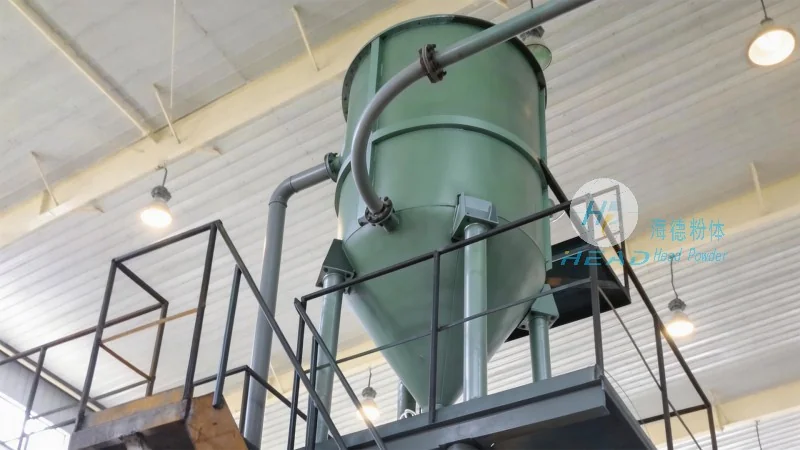
4. Control Systems: Advanced control systems are integrated to monitor and regulate the entire conveying process. These systems may include sensors for level detection, pressure monitoring, and flow rate control, ensuring that the system operates within safe and optimal parameters.
The design of a refractory powder conveying system follows several key principles to ensure reliability, efficiency, and longevity. These principles are tailored to the unique challenges of handling refractory powders and are crucial for minimizing operational issues and maximizing productivity.
1. Material Compatibility: All components of the system, including hoppers, pipes, and valves, must be constructed from materials that are compatible with the refractory powders being handled. For instance, stainless steel or special alloys may be used to prevent corrosion and wear from abrasive powders.
2. Airflow Management: In pneumatic conveying systems, proper airflow management is essential to prevent material settling or blockages. The system is designed to maintain consistent air velocity and pressure to ensure smooth powder transport.
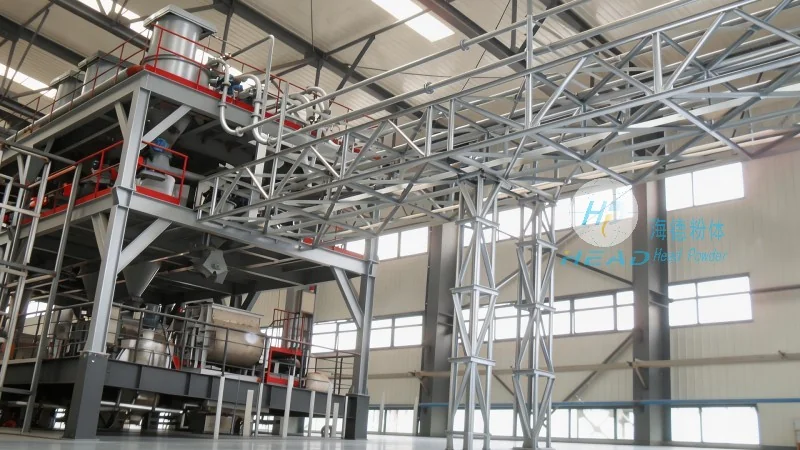
3. Prevention of Clogging: Clogging is a major concern in refractory powder handling. The design incorporates features like inclined pipe sections, vibration devices, and regular cleaning mechanisms to prevent material accumulation and ensure continuous operation.
4. Energy Efficiency: Modern designs prioritize energy efficiency by optimizing air consumption and reducing unnecessary energy losses. This not only lowers operational costs but also aligns with sustainable industrial practices.
Shandong HeadPowder Engineering Co., Ltd., operating under the brand name HeadPowder, specializes in the design, manufacturing, and installation of refractory powder conveying systems. With a deep understanding of the unique requirements of refractory materials, the company leverages advanced engineering techniques to develop customized solutions that meet the specific needs of clients. The company's expertise lies in integrating the right components and applying the optimal design principles to create systems that are reliable, efficient, and cost-effective.
HeadPowder's team of engineers and technicians work closely with clients to assess their material handling challenges and develop tailored solutions. From initial system design and material selection to installation and commissioning, the company ensures that every aspect of the conveying system is optimized for performance. The company's commitment to quality and innovation has made it a trusted partner for industries relying on high-quality refractory powder transport solutions.
A refractory powder conveying system is a critical infrastructure for industries that rely on refractory materials. The design principles and components discussed above are essential for ensuring the system's effectiveness and longevity. With the expertise of companies like Shandong HeadPowder Engineering Co., Ltd., industries can achieve efficient and reliable powder handling, supporting their production processes and maintaining competitive advantages in the market.

 Shandong Headpowder Engineering Co., Ltd.
 156-6277-7102(Manager Zhang)
  0531-83386006
  Zhangqiu District, Jinan City, Shandong Province, China
telephone
WeChatconsult
top