With more than 10‑year industry experience, Shandong Headpowder delivers full‑service pneumatic‑conveying systems and blowers, undertaking nationwide turn‑key powder‑handling projects.
HeadPowder, a leading engineering firm based in Shandong, China, specializes in the design and implementation of advanced pneumatic conveying systems for various industrial applications. This article provides a technical analysis of glass particle pneumatic conveying systems, focusing on the key differences between positive pressure and negative pressure conveying modes. Understanding these modes is crucial for selecting the most suitable system for specific material handling requirements.
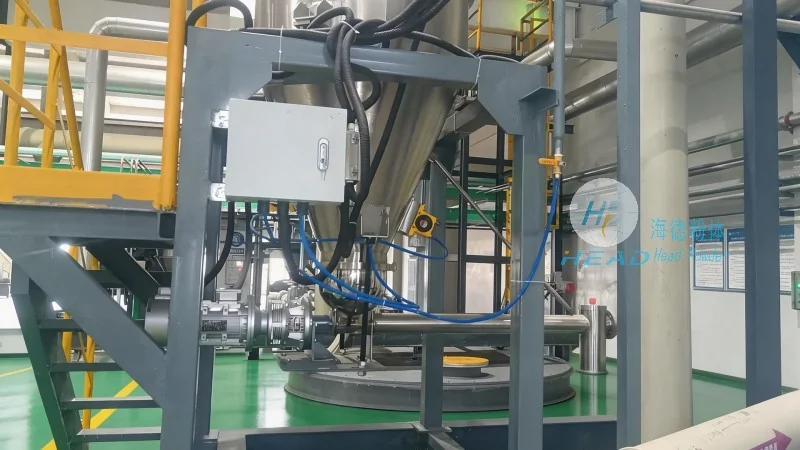
Pneumatic conveying systems are widely used in industries such as glass manufacturing, pharmaceuticals, and food processing to transport bulk materials like powders and granules. These systems utilize air or other gases to move materials through a pipeline network. The choice between positive pressure and negative pressure systems depends on several factors, including material properties, system design, and operational efficiency.
Positive pressure conveying systems operate by blowing air or gas into the material stream, creating a pressure higher than the ambient air pressure. This method is particularly effective for transporting abrasive or corrosive materials, as it minimizes material degradation and equipment wear. The system typically includes a blower, a hopper, and a pipeline network that transports the material to the destination. HeadPowder's expertise in positive pressure systems ensures that clients receive customized solutions tailored to their specific material handling needs.
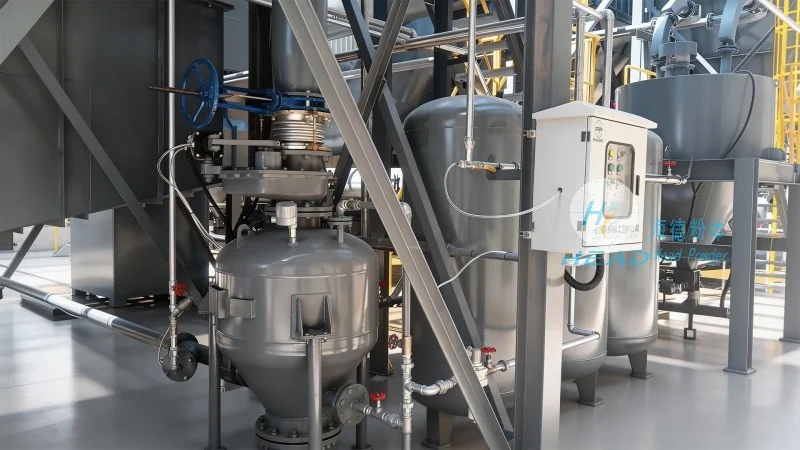
Negative pressure conveying systems, also known as vacuum systems, operate by creating a vacuum in the pipeline, drawing material from the source into the system. This mode is ideal for applications where dust control and material containment are critical. The system consists of a vacuum pump, a hopper, and a pipeline that collects material from various points. HeadPowder's negative pressure solutions are designed to maintain high efficiency while ensuring compliance with environmental regulations.
Several factors differentiate positive and negative pressure conveying systems. Positive pressure systems generally offer higher conveying velocities and are more suitable for long-distance transport, while negative pressure systems are better for short distances and applications requiring low dust emission. The choice of system also depends on the material's density, flowability, and moisture content. HeadPowder engineers carefully evaluate these parameters to recommend the optimal conveying mode for each project.
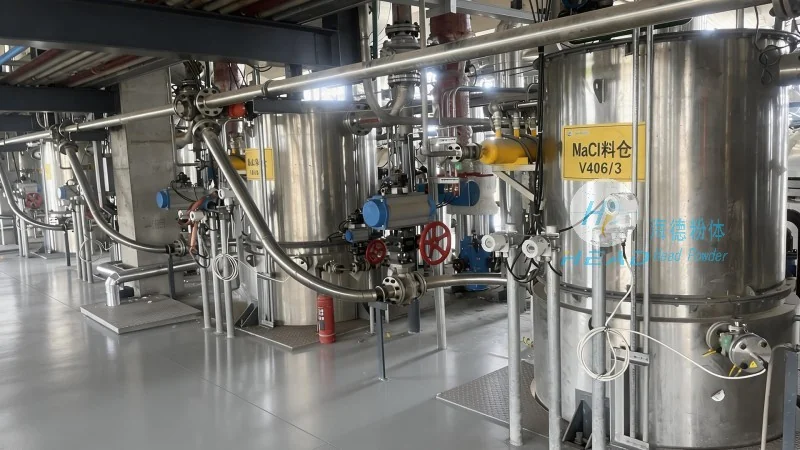
In the glass industry, pneumatic conveying systems are essential for transporting raw materials such as silica sand, soda ash, and limestone. The abrasive nature of glass particles makes positive pressure systems a preferred choice for many glass manufacturers. However, negative pressure systems are used in applications where dust control is paramount, such as in the handling of fine glass powders. HeadPowder has successfully implemented both types of systems in various glass production facilities, improving operational efficiency and reducing maintenance costs.
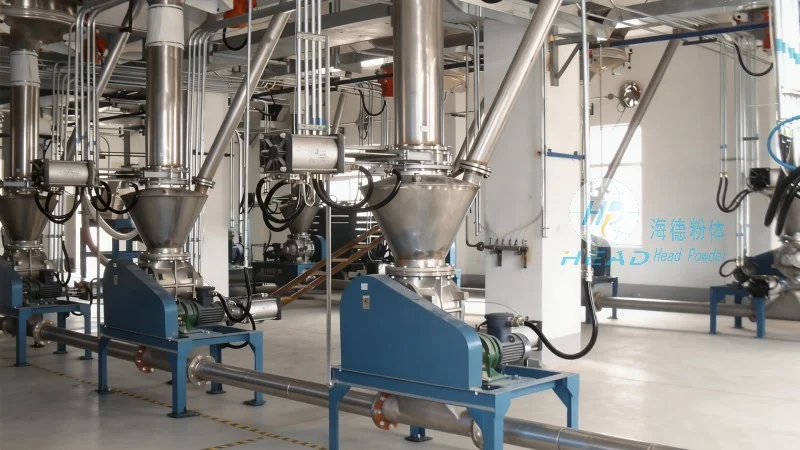
HeadPowder's approach to pneumatic conveying system design involves a comprehensive analysis of the client's requirements. Engineers at HeadPowder consider factors such as material characteristics, conveying distance, and desired throughput to develop a customized solution. The company uses advanced software tools to simulate system performance and optimize design parameters. This ensures that the final system meets all operational and safety standards while maximizing efficiency. HeadPowder's commitment to quality and innovation has made it a trusted partner for glass manufacturers seeking reliable material handling solutions.
Both positive pressure and negative pressure conveying modes have their advantages and are suitable for different applications in glass particle handling. HeadPowder, with its expertise in both systems, provides comprehensive solutions tailored to the specific needs of each client. By understanding the technical differences and benefits of each mode, glass manufacturers can select the most effective pneumatic conveying system to enhance their production processes and improve overall operational efficiency.

 Shandong Headpowder Engineering Co., Ltd.
 156-6277-7102(Manager Zhang)
  0531-83386006
  Zhangqiu District, Jinan City, Shandong Province, China
telephone
WeChatconsult
top