With more than 10‑year industry experience, Shandong Headpowder delivers full‑service pneumatic‑conveying systems and blowers, undertaking nationwide turn‑key powder‑handling projects.
For businesses in the glass manufacturing industry, understanding the role and design of glass raw material handling conveyor lines is crucial for optimizing production efficiency and ensuring material integrity. These specialized systems are engineered to transport various raw materials such as sand, soda ash, limestone, and other additives with precision and reliability. The following article delves into the fundamental aspects of these conveyor lines, including their design principles and operational applications, providing insights into how they contribute to the overall productivity of glass production facilities.
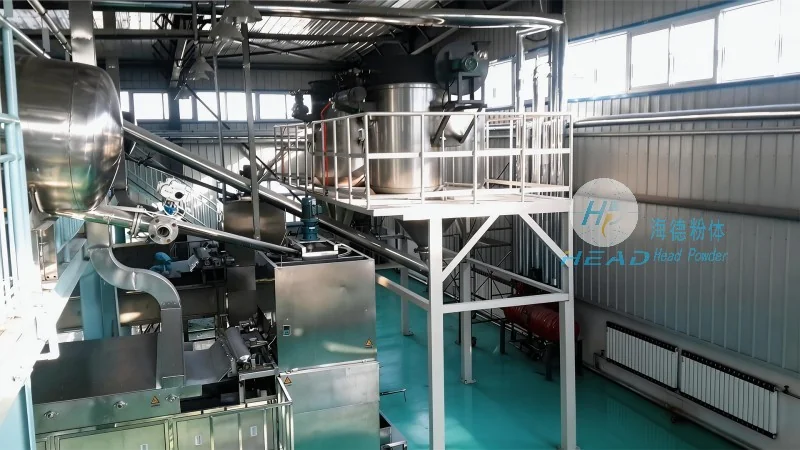
Glass raw material handling conveyor lines are automated systems designed to move bulk materials from storage to processing areas within a glass manufacturing plant. These lines are integral to the glass production workflow, as they ensure that raw materials are delivered in the correct quantities and at the right time to the melting furnaces or other processing equipment. The systems typically consist of multiple components, including feed hoppers, conveyor belts or buckets, control mechanisms, and safety features, all working in harmony to facilitate smooth material transport. The design of these conveyor lines is tailored to the specific characteristics of the raw materials being handled, such as particle size, moisture content, and bulk density, to prevent material degradation or loss during transit.
The primary function of a glass raw material handling conveyor line is to transport raw materials from storage silos or bulk storage areas to the glass melting process. This involves several key steps: material feeding from storage silos into the conveyor system, transportation through the conveyor line to the processing point, and precise dosing or feeding into the melting furnace. The efficiency of this process directly impacts the overall production speed and quality of the final glass products. A well-designed conveyor line minimizes downtime, reduces material handling errors, and maintains consistent material flow, which are critical factors in maintaining high production standards.
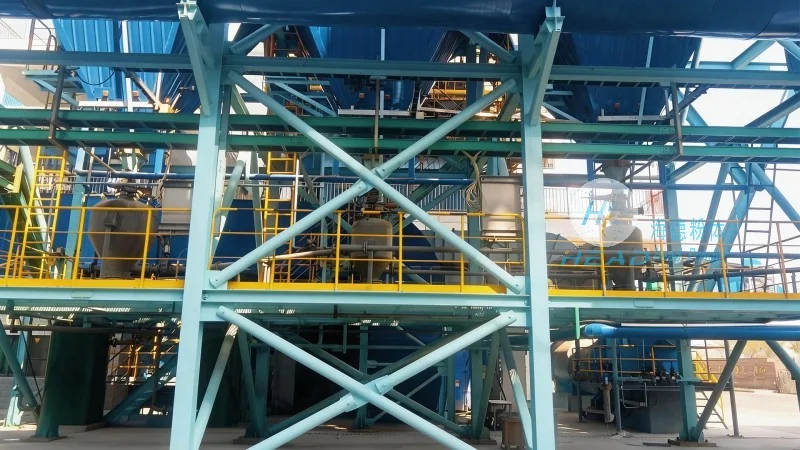
Designing an effective glass raw material handling conveyor line requires careful consideration of several key principles to ensure optimal performance. First, the system must be designed to handle the specific physical properties of the raw materials, such as their bulk density, flowability, and abrasiveness. This involves selecting appropriate conveyor components, such as belt types (e.g., rubber or steel), bucket elevators, or screw conveyors, based on the material characteristics. Second, the conveyor line must be engineered for durability and longevity, as it operates in harsh environments with high temperatures and abrasive materials. Materials used in the construction of the conveyor components, such as stainless steel or corrosion-resistant alloys, are essential to withstand the wear and tear of continuous operation. Third, the system must incorporate advanced control and monitoring features to ensure precise material flow control, prevent overloading, and detect any operational issues in real-time. This includes the use of sensors, variable speed drives, and automated control systems that adjust the conveyor speed based on the material feed rate and processing requirements.
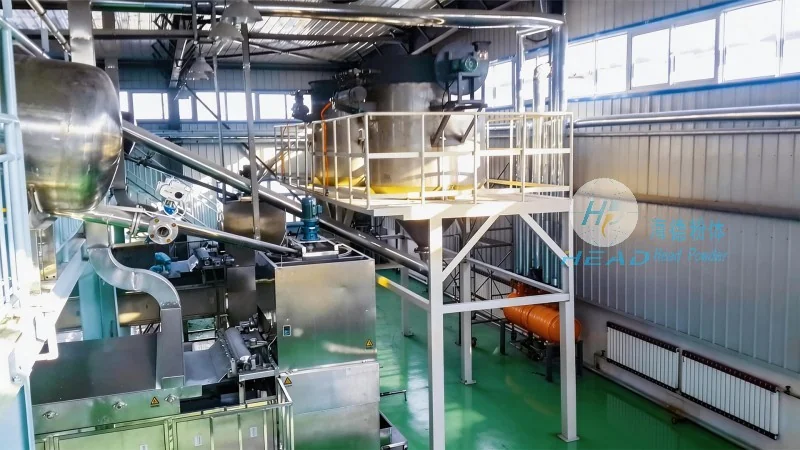
A typical glass raw material handling conveyor line consists of several interconnected components that work together to achieve efficient material transport. The main components include feed hoppers, which are used to store and feed the raw materials into the conveyor system; conveyor mechanisms, such as belt conveyors, bucket elevators, or screw conveyors, which move the materials horizontally or vertically; transfer points, which allow the material to change direction or be transferred to another conveyor; and control systems, which regulate the speed and operation of the conveyor line. The integration of these components is critical to ensure smooth material flow and prevent bottlenecks or blockages. For example, a bucket elevator may be used to lift materials vertically from a lower storage level to a higher processing area, while a belt conveyor transports materials horizontally to the melting furnace. The control system coordinates the operation of all components, ensuring that the material is delivered at the correct rate and without interruption.
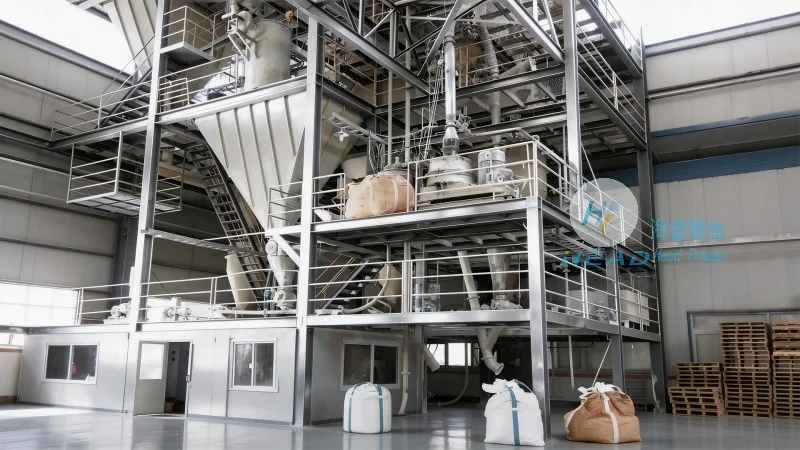
Glass raw material handling conveyor lines are widely used in various glass manufacturing processes, including container glass, flat glass, and specialty glass production. In container glass production, these systems transport raw materials such as sand, soda ash, and limestone to the glass melting furnaces, where they are melted and formed into bottles and jars. In flat glass production, the conveyor lines deliver raw materials to the float glass process, where they are melted and cooled on a molten tin bath to produce glass sheets. The operational benefits of these conveyor lines include improved production efficiency, reduced labor costs, minimized material loss, and enhanced safety in the workplace. By automating the material handling process, businesses can achieve higher throughput, lower energy consumption, and better control over the quality of the raw materials being processed. Additionally, the use of advanced control systems allows for real-time monitoring and adjustment of the conveyor line operation, ensuring that any issues are detected and resolved promptly, minimizing downtime and maximizing productivity.
In conclusion, glass raw material handling conveyor lines are essential components of modern glass manufacturing facilities, designed to efficiently transport raw materials to the processing stages while maintaining material integrity and operational efficiency. The design principles and components of these systems are tailored to the specific requirements of the glass industry, ensuring that they can handle the diverse and often challenging characteristics of glass raw materials. For businesses seeking to optimize their glass production processes, investing in a well-designed and properly maintained conveyor line is a critical step toward achieving higher productivity and quality standards. Shandong HeadPowder Engineering Co., Ltd., a leading provider of engineering solutions for the glass industry, specializes in designing and manufacturing high-quality glass raw material handling conveyor lines that meet the unique needs of their clients. With a focus on durability, efficiency, and reliability, HeadPowder's conveyor systems are engineered to deliver long-term performance and contribute to the success of glass manufacturing operations. Based in Shandong, China, HeadPowder serves clients worldwide with innovative solutions that enhance the productivity and sustainability of glass production processes.

 Shandong Headpowder Engineering Co., Ltd.
 156-6277-7102(Manager Zhang)
  0531-83386006
  Zhangqiu District, Jinan City, Shandong Province, China
telephone
WeChatconsult
top