With more than 10‑year industry experience, Shandong Headpowder delivers full‑service pneumatic‑conveying systems and blowers, undertaking nationwide turn‑key powder‑handling projects.
Understanding the role and design of tailings powder slag pneumatic conveying lines is crucial for industries dealing with mineral processing and waste management. These systems are engineered to efficiently transport fine powders and slurry materials, often found in mining operations, cement production, and other industrial processes. The core function of such a line is to move bulk materials through a pipeline using compressed air or other gas streams, eliminating the need for traditional mechanical conveyors like belts or buckets.
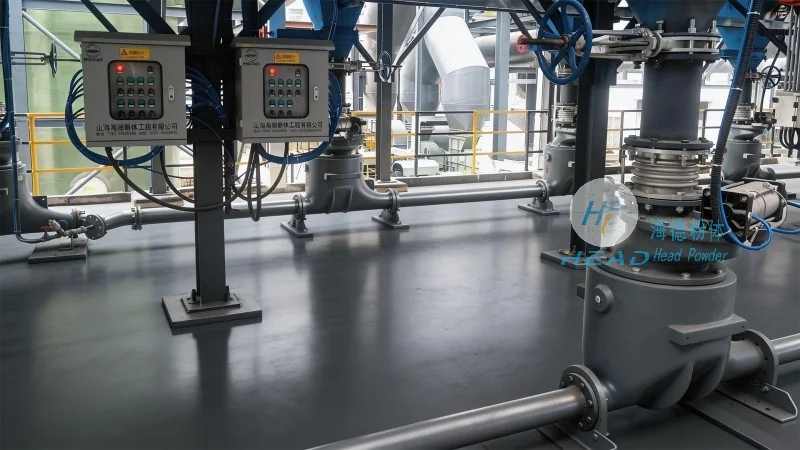
Tailings powder slag pneumatic conveying lines are specialized equipment designed to handle the transportation of tailings, which are the fine particles left over after ore has been processed. These materials are typically abrasive and can be challenging to transport due to their fine particle size and potential for caking. The pneumatic conveying method offers a solution by using air pressure to move the material through a sealed pipeline, ensuring minimal contamination and efficient handling.
The design of a tailings powder slag pneumatic conveying line involves several critical components and principles to ensure optimal performance. The system typically includes a hopper for material storage, a feeder to control the flow rate, a conveying line (often made of metal or plastic), and a receiver to collect the material at the destination. The choice of conveying method—whether positive or negative pressure—depends on the material characteristics, distance, and desired throughput. For tailings powder, positive pressure systems are commonly used as they can handle abrasive materials and prevent dust emissions more effectively.
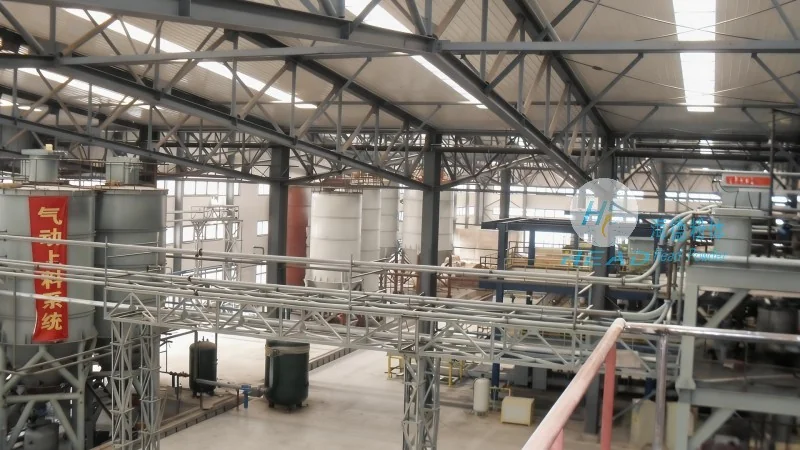
The design of a tailings powder slag pneumatic conveying line must account for the specific properties of the material being transported. Key factors include particle size distribution, density, moisture content, and abrasiveness. For example, materials with a high proportion of fine particles (less than 100 microns) require higher air velocities to ensure complete suspension. The moisture content is also critical, as excessive moisture can lead to caking and blockages in the pipeline. To mitigate this, some systems incorporate drying or conditioning steps before the material enters the conveying line. The abrasiveness of the material affects the choice of pipeline material, with stainless steel or high-grade plastic often used to withstand the wear from abrasive tailings.
In a positive pressure system, compressed air is introduced at the feeder, creating a flow that pulls the material through the pipeline. The air velocity is carefully controlled to ensure the material is fully suspended and transported without clogging. Key design considerations include the air velocity, which must be sufficient to keep particles airborne but not so high as to cause excessive energy consumption or wear on the system components. The pipeline diameter and length also play a significant role in determining the system's efficiency and cost-effectiveness.
Compared to traditional mechanical conveyors, pneumatic conveying offers several advantages for tailings powder slag transport. One of the primary benefits is the ability to handle fine powders without the need for large, heavy machinery. This reduces the risk of material spillage and contamination, which is particularly important for environmental and safety considerations. Additionally, pneumatic systems can transport materials over longer distances with fewer intermediate points, improving overall efficiency. The sealed pipeline design also helps in controlling dust emissions, which is crucial for maintaining a safe working environment and complying with environmental regulations. These advantages make pneumatic conveying lines a preferred choice for industries that prioritize efficiency, safety, and environmental responsibility.
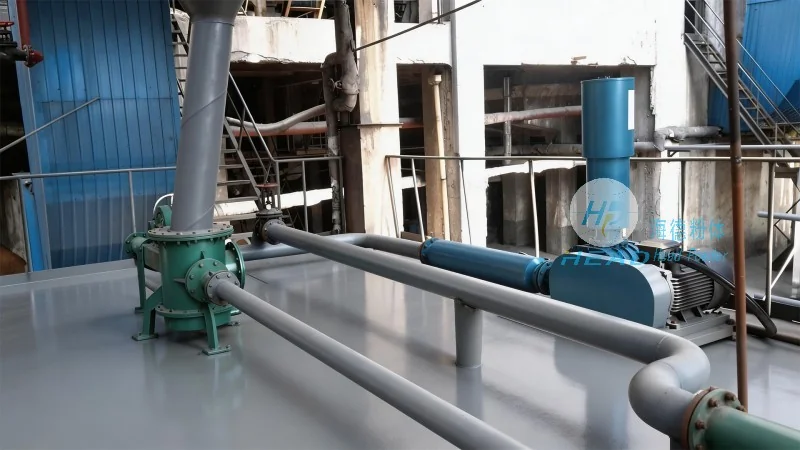
These conveying lines are widely used in various industrial applications, particularly in the mining and cement industries. In mining operations, they help transport tailings from processing plants to disposal sites or reclamation areas, improving safety and reducing the need for manual handling. In cement production, they are used to move raw materials like limestone and clinker, contributing to the overall efficiency of the production line. The ability to handle fine powders and slurry materials makes these systems versatile and essential for industries that rely on bulk material transport.
Shandong HeadPowder Engineering Co., Ltd., a leading manufacturer in the field, specializes in the design, manufacturing, and installation of tailings powder slag pneumatic conveying lines. With years of experience in the industry, the company has developed advanced solutions tailored to the unique challenges of handling tailings and other fine materials. The company's headquarters is located in Shandong, China, where it leverages local expertise and resources to deliver high-quality products and services to clients worldwide. By focusing on innovation and customer needs, Shandong HeadPowder Engineering Co., Ltd. aims to provide reliable and efficient conveying solutions that meet the demands of modern industrial operations.

 Shandong Headpowder Engineering Co., Ltd.
 156-6277-7102(Manager Zhang)
  0531-83386006
  Zhangqiu District, Jinan City, Shandong Province, China
telephone
WeChatconsult
top