With more than 10‑year industry experience, Shandong Headpowder delivers full‑service pneumatic‑conveying systems and blowers, undertaking nationwide turn‑key powder‑handling projects.
Lithium hexafluorophosphate (LiPF₆) is a critical electrolyte component widely used in lithium-ion batteries. The efficient and safe transportation of this material is essential for the manufacturing processes in battery production facilities. A specialized material handling conveyor system, designed specifically for LiPF₆, plays a pivotal role in ensuring the smooth operation of these processes. This article explores the concept of a lithium hexafluorophosphate material handling conveyor and delves into its fundamental design principles.
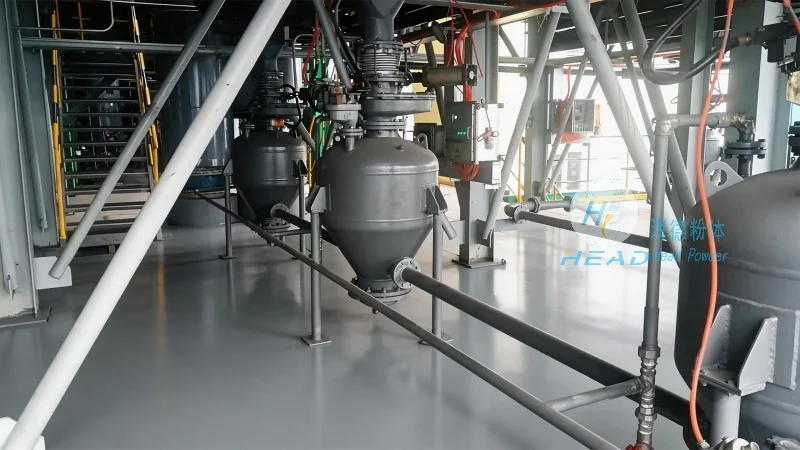
HeadPowder, a leading engineering company based in Shandong, China, specializes in the design and implementation of advanced material handling solutions. For industries dealing with LiPF₆, the need for a conveyor system that can handle the material's unique properties—such as its reactivity and the need for controlled environments—has become increasingly important. The material handling conveyor is not just a transport device; it is an integral part of the overall production line, ensuring that LiPF₆ is moved from storage to processing areas without compromising safety or quality.
The design of a LiPF₆ material handling conveyor must adhere to several critical principles to meet the demands of modern battery manufacturing. First, the system must be constructed from materials that are chemically inert and resistant to corrosion, as LiPF₆ can be reactive under certain conditions. Stainless steel or specialized polymers are commonly used for the conveyor components to prevent contamination and ensure durability. Second, the conveyor must be equipped with precise control mechanisms to maintain a consistent flow rate and prevent material buildup, which could lead to safety hazards or product degradation. Third, the system must integrate with existing safety protocols, including fire suppression systems and gas detection devices, to mitigate risks associated with handling LiPF₆.
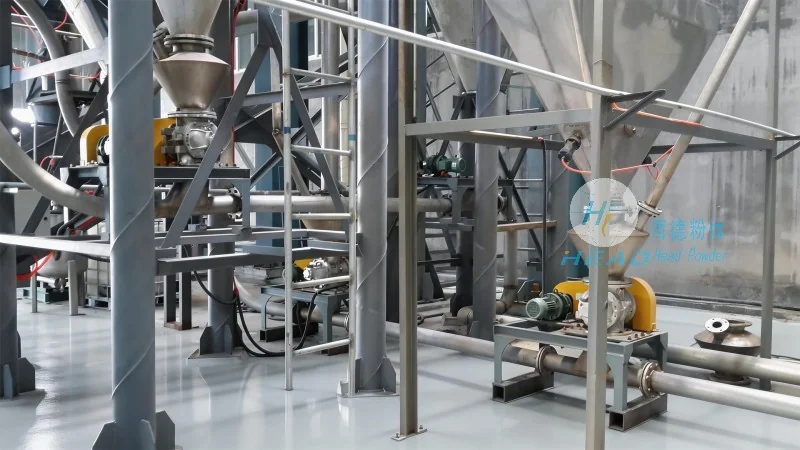
A standard LiPF₆ material handling conveyor typically consists of several key components. The conveyor belt itself is often made from a non-stick, chemically resistant material to prevent the material from adhering and to facilitate easy cleaning. The drive system, which may include motors and pulleys, is designed to provide smooth and reliable movement. Additionally, the conveyor may incorporate sensors and monitoring devices to track the material's position and detect any anomalies in the process. The control panel, usually located in a separate control room, allows operators to adjust the conveyor speed and monitor the system's performance in real-time. These features collectively ensure that the LiPF₆ is transported efficiently and safely throughout the production facility.
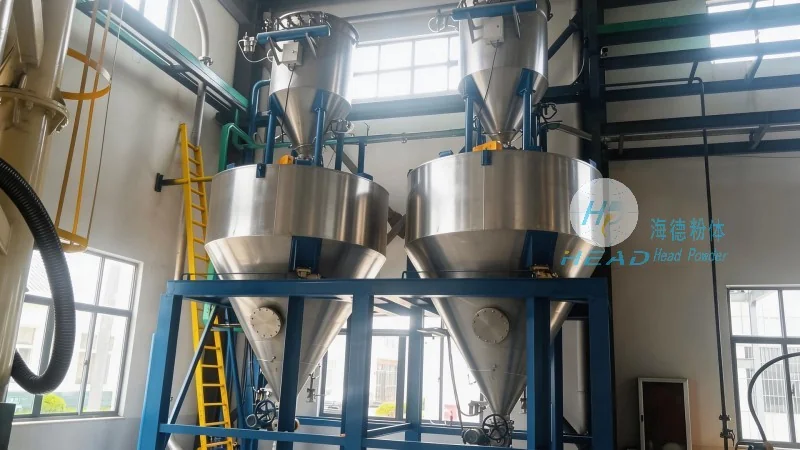
For optimal functionality, a LiPF₆ material handling conveyor is designed to integrate seamlessly with other equipment in the battery manufacturing line. This includes storage tanks, mixing units, and packaging machines. The conveyor's design allows for easy connection to these systems, minimizing downtime and ensuring a continuous flow of material. Furthermore, safety is a top priority in the design of such systems. The conveyor may be equipped with emergency stop buttons, interlocks to prevent unauthorized access, and automatic shut-off mechanisms in case of overloads or temperature spikes. These safety features are crucial in preventing accidents and protecting both personnel and equipment.
Implementing a dedicated material handling conveyor for LiPF₆ offers several advantages. Firstly, it enhances operational efficiency by reducing the time and labor required to transport the material. This leads to increased productivity and lower production costs. Secondly, the specialized design minimizes the risk of contamination, ensuring that the LiPF₆ remains in its purest form, which is critical for battery performance. Thirdly, the system's safety features help prevent accidents and comply with regulatory standards, reducing the risk of legal and financial liabilities. Overall, a well-designed LiPF₆ material handling conveyor is a vital investment for any battery manufacturer looking to improve their production processes and maintain high standards of quality and safety.

 Shandong Headpowder Engineering Co., Ltd.
 156-6277-7102(Manager Zhang)
  0531-83386006
  Zhangqiu District, Jinan City, Shandong Province, China
telephone
WeChatconsult
top