With more than 10‑year industry experience, Shandong Headpowder delivers full‑service pneumatic‑conveying systems and blowers, undertaking nationwide turn‑key powder‑handling projects.
HeadPowder, a leading manufacturer in the field, specializes in the design and production of metal aluminum powder material conveying lines. This article aims to provide a comprehensive understanding of these systems, focusing on their functionality and design principles.
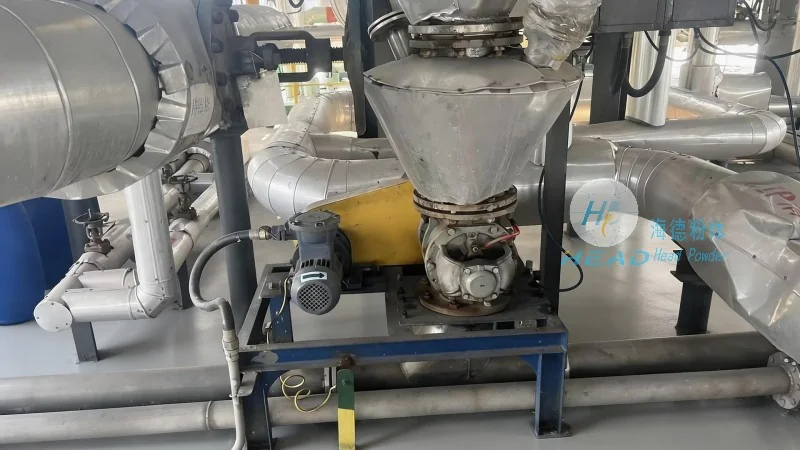
A metal aluminum powder material conveying line is a specialized system engineered to transport aluminum powder efficiently and safely. These systems are crucial in industries such as metallurgy, chemical processing, and manufacturing, where aluminum powder is a key raw material. The primary goal of such a line is to ensure the smooth and controlled movement of aluminum powder from storage to processing units, minimizing the risk of dust accumulation, contamination, and operational hazards.
The design of a metal aluminum powder conveying line is based on several fundamental principles to ensure optimal performance and safety. The core components typically include storage hoppers, feeding mechanisms, conveying equipment (like pneumatic or mechanical conveyors), and control systems. Each component is carefully selected and integrated to meet the specific requirements of aluminum powder handling.
1. **Storage Hoppers**: These are large containers designed to hold aluminum powder in bulk. They are constructed from materials resistant to corrosion and wear, such as stainless steel or special alloys, to prevent contamination and ensure durability. The hoppers often feature a conical or hopper-shaped design to facilitate the flow of powder under gravity, reducing the need for excessive mechanical force.
2. **Feeding Mechanisms**: To ensure a consistent and controlled flow of aluminum powder into the conveying system, feeding mechanisms are employed. These can include rotary valves, screw feeders, or vibratory feeders. The choice of feeder depends on the particle size, flow characteristics, and the desired flow rate. Proper feeding is critical to prevent blockages and maintain the efficiency of the conveying line.
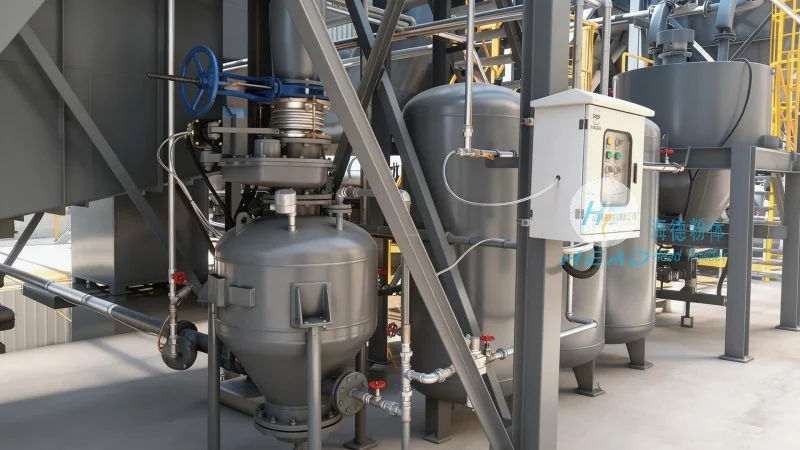
3. **Conveying Equipment**: The heart of the system, conveying equipment is responsible for transporting aluminum powder from the storage hopper to the processing unit. Common types include pneumatic conveyors (using air pressure to move powder) and mechanical conveyors (such as belt or screw conveyors). Pneumatic systems are particularly effective for fine powders like aluminum powder, as they can handle high volumes with minimal pressure loss. Mechanical conveyors, on the other hand, are suitable for bulkier or more abrasive materials.
4. **Control Systems**: Advanced control systems are integrated into the conveying line to monitor and regulate the entire process. These systems include sensors for detecting powder levels, pressure, and flow rates, as well as control panels for adjusting the speed of feeders and conveyors. Real-time monitoring helps in maintaining optimal performance and preventing issues such as overfilling or underflow.
When designing a metal aluminum powder conveying line, several factors are considered to ensure both safety and efficiency. Safety is paramount due to the potential hazards associated with aluminum powder, such as dust explosions and respiratory risks. Therefore, the design incorporates features like explosion-proof components, dust collection systems, and proper ventilation to mitigate these risks.
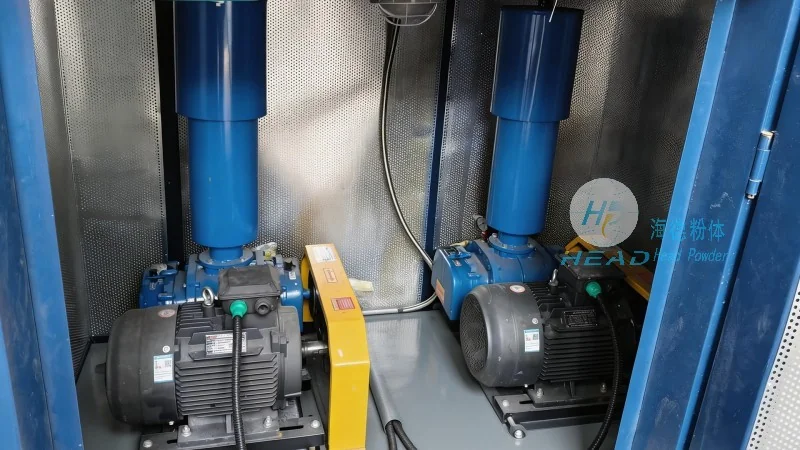
Efficiency is another key consideration. The system must minimize energy consumption while maintaining high throughput. This involves optimizing the conveying speed, selecting the right type of conveyor, and ensuring minimal pressure drop in pneumatic systems. Additionally, the design should allow for easy maintenance and cleaning to prevent clogging and maintain performance over time.
Metal aluminum powder material conveying lines are widely used in various industrial applications. They are essential in the production of aluminum alloys, where aluminum powder is used as a raw material. Other applications include the manufacturing of aluminum-based composites, coatings, and in the chemical industry for producing aluminum-based chemicals.
The benefits of using such a system include improved process control, reduced labor costs, enhanced safety, and increased productivity. By automating the material handling process, companies can achieve higher consistency in their production, reduce waste, and minimize the risk of accidents related to manual handling of aluminum powder.
HeadPowder Engineering Co., Ltd., based in Shandong, China, is a trusted provider of metal aluminum powder material conveying lines. With a focus on innovation and adherence to industry standards, the company designs and manufactures systems that meet the specific needs of its clients. The design principles and components discussed above highlight the importance of a well-engineered conveying line in ensuring safe and efficient handling of aluminum powder. By investing in such a system, industries can enhance their operational efficiency, improve product quality, and ensure a safer working environment.

 Shandong Headpowder Engineering Co., Ltd.
 156-6277-7102(Manager Zhang)
  0531-83386006
  Zhangqiu District, Jinan City, Shandong Province, China
telephone
WeChatconsult
top