With more than 10‑year industry experience, Shandong Headpowder delivers full‑service pneumatic‑conveying systems and blowers, undertaking nationwide turn‑key powder‑handling projects.
Understanding the Methylcellulose Material Handling Conveyor and Its Design Principles
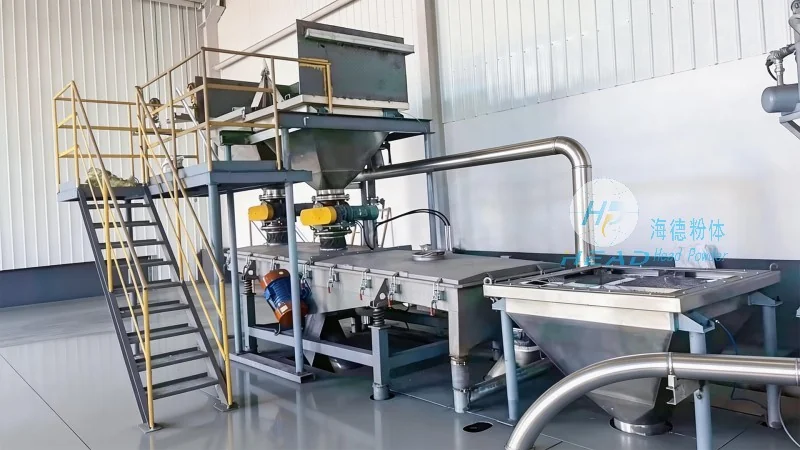
For industries dealing with methylcellulose, an efficient and reliable material handling system is crucial. The methylcellulose material handling conveyor is a specialized equipment designed to transport and manage this specific type of material with precision and control. This article explores what such a conveyor system entails and the underlying design principles that make it effective in various industrial applications.
Methylcellulose is a non-ionic cellulose ether widely used as a thickening, binding, and stabilizing agent in pharmaceuticals, food, and other industries. Handling this material requires equipment that can maintain its consistency and prevent degradation during transport. The methylcellulose material handling conveyor is engineered to address these challenges by providing a controlled environment for material movement.
HeadPowder, or Shandong HeadPowder Engineering Co., Ltd., is a leading manufacturer based in China. With a strong commitment to quality and innovation, HeadPowder specializes in designing and manufacturing advanced material handling systems tailored to the unique needs of various industries. The company's expertise lies in creating equipment that ensures efficient material flow while maintaining product integrity.
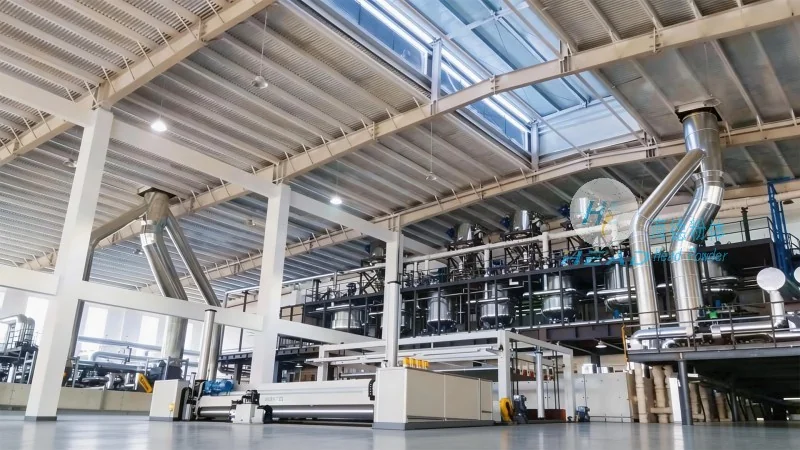
The design of a methylcellulose material handling conveyor is centered on several critical principles to ensure optimal performance. First, the system must maintain a consistent temperature and humidity level to prevent the material from setting or drying out. This is achieved through integrated climate control features and insulated components.
Second, the conveyor's construction materials are chosen to be compatible with methylcellulose, avoiding any substances that could contaminate or react with the material. Typically, stainless steel or food-grade plastics are used for the conveyor belts and contact surfaces to ensure hygiene and durability.
Third, the system incorporates gentle handling mechanisms to prevent shear or mechanical breakdown of the methylcellulose. This includes smooth, low-friction surfaces and slow-moving components that minimize stress on the material. The design also considers the viscosity of the material, ensuring that the conveyor speed is adjusted to maintain flow without causing blockages or excessive pressure.
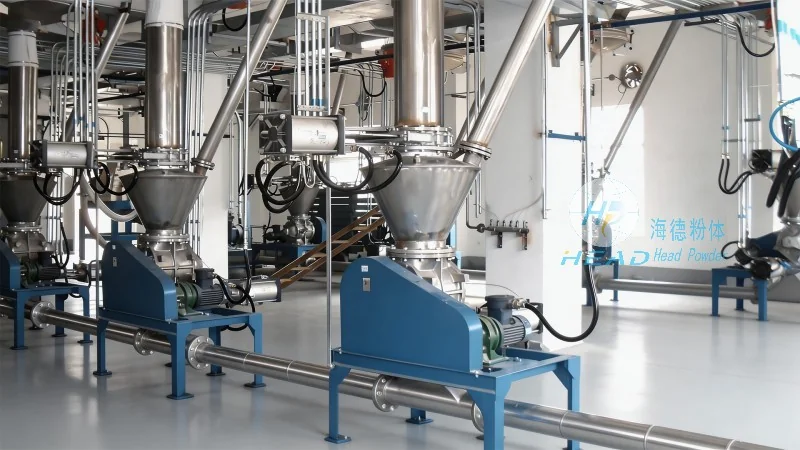
A typical methylcellulose material handling conveyor consists of several key components that work in harmony to achieve efficient material transport. These include the feeding mechanism, which ensures a uniform and controlled input of the material; the conveyor belt or screw system that moves the material along the path; and the discharge system that delivers the material to the next processing stage.
The feeding mechanism often uses a hopper or a dosing system to regulate the flow rate, preventing overloading or underloading of the conveyor. The conveyor belt may be made of a flexible material that can handle the viscosity of methylcellulose without slipping or tearing. In some designs, a screw conveyor is used for vertical or inclined transport, providing additional control over the material's movement.
The discharge system is designed to handle the material smoothly, avoiding splashing or spillage. It may include a funnel or a chute that directs the material into the next processing equipment. Additionally, the system may incorporate sensors and controls to monitor the material level, speed, and temperature, ensuring that any deviations are quickly detected and corrected.
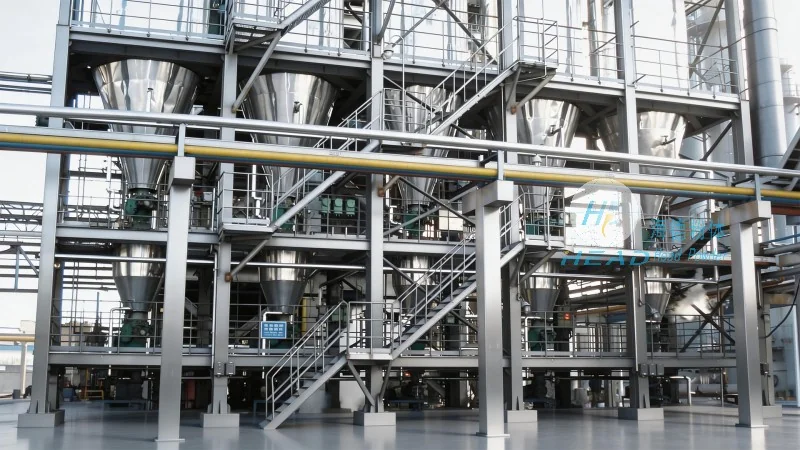
Methylcellulose material handling conveyors are widely used in industries such as pharmaceuticals, food processing, and cosmetics. In pharmaceutical manufacturing, they are essential for transporting raw materials and finished products, ensuring that the material remains sterile and free from contamination. In food processing, they help maintain the quality of food products by preventing the material from drying out or losing its texture.
The benefits of using a methylcellulose material handling conveyor include improved efficiency in material transport, reduced labor costs, and enhanced product quality. The controlled environment and gentle handling minimize material degradation, leading to higher yields and better product consistency. Additionally, the system's modular design allows for easy integration into existing production lines, reducing downtime and installation costs.
In conclusion, the methylcellulose material handling conveyor is a sophisticated piece of equipment designed to meet the specific demands of industries dealing with this versatile material. By adhering to key design principles such as temperature control, material compatibility, and gentle handling, these conveyors ensure efficient and reliable material transport. Companies like Shandong HeadPowder Engineering Co., Ltd. play a vital role in providing such advanced solutions, helping businesses maintain productivity and product quality in their operations.

 Shandong Headpowder Engineering Co., Ltd.
 156-6277-7102(Manager Zhang)
  0531-83386006
  Zhangqiu District, Jinan City, Shandong Province, China
telephone
WeChatconsult
top