With more than 10‑year industry experience, Shandong Headpowder delivers full‑service pneumatic‑conveying systems and blowers, undertaking nationwide turn‑key powder‑handling projects.
Fluorspar, a mineral composed primarily of calcium fluoride, is widely used in various industrial applications such as metallurgy, glass manufacturing, and chemical production. The efficient and reliable transportation of fluorspar powder in its granular state is crucial for maintaining production efficiency and ensuring product quality. This article explores the concept of a fluorspar powder granular material conveying line and delves into its underlying design principles, providing insights into how such systems are engineered to meet the demands of modern industrial processes. The expertise of Shandong HeadPowder Engineering Co., Ltd. (headpowder) in material handling systems is reflected in the design and implementation of such conveying lines, which are tailored to the specific needs of industrial clients.
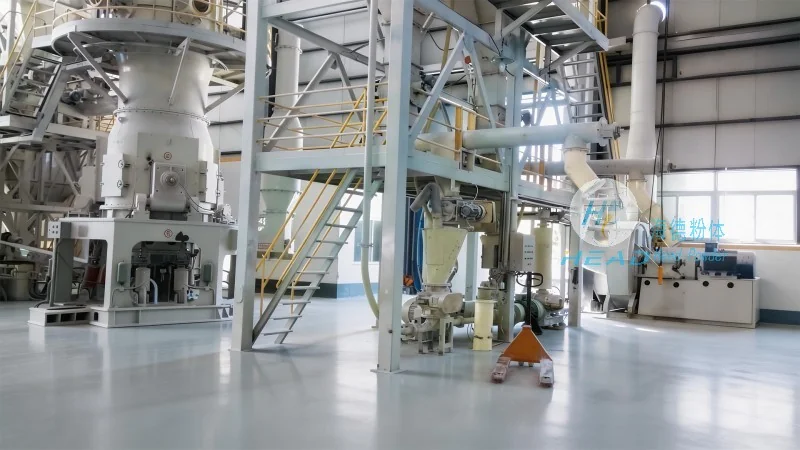
A fluorspar powder granular material conveying line is a specialized system designed to transport fluorspar powder in its granular state from one location to another within an industrial facility. These systems are integral to the overall workflow in fluorspar processing plants, enabling the seamless movement of raw material or intermediate products. The primary goal of such a line is to ensure that fluorspar powder is moved safely, efficiently, and with minimal loss or degradation, which is critical for maintaining the quality of downstream processes.
The design of a fluorspar powder granular material conveying line typically involves several key components that work in concert to achieve the desired transportation objectives. These components include feeders, conveyors, control systems, and dust collection equipment. Each component plays a vital role in the overall functionality of the system.
Feeders are responsible for uniformly feeding the fluorspar powder into the conveying line. They ensure a consistent flow rate, which is essential for maintaining the efficiency of the conveyor and preventing blockages or overloading. Common types of feeders used in such applications include screw feeders, vibratory feeders, and rotary valves, each offering different advantages in terms of flow control and material handling capabilities.
Conveyors form the core of the material conveying system. They are responsible for transporting the fluorspar powder through the line. There are several types of conveyors suitable for granular material handling, including belt conveyors, bucket elevators, and pneumatic conveyors. The choice of conveyor type depends on factors such as the material characteristics, distance to be covered, and the required throughput. For fluorspar powder, which is often fine and dusty, belt conveyors are commonly used due to their ability to handle large volumes and their relatively low maintenance requirements.
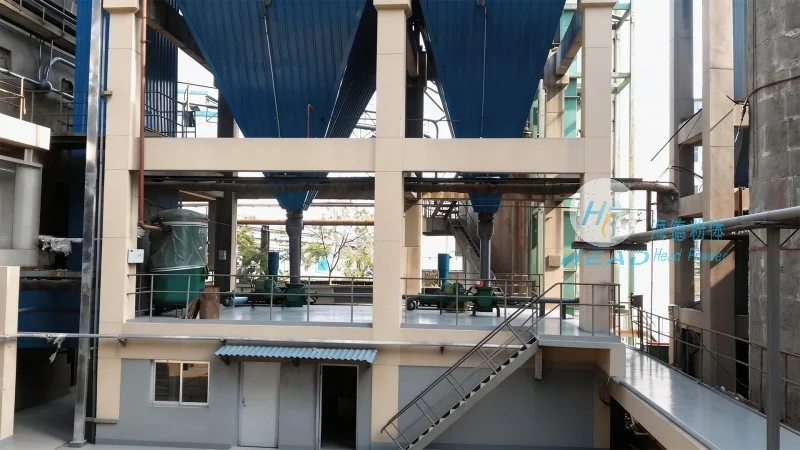
Control systems are integral to the operation of the conveying line, providing the necessary automation and monitoring capabilities. These systems regulate the speed of the conveyor, the flow rate from the feeder, and other operational parameters to ensure optimal performance. Modern control systems often incorporate sensors and feedback mechanisms to adjust the operation in real-time, enhancing the reliability and efficiency of the conveying process.
Dust collection equipment is essential for maintaining a safe and clean working environment. Fluorspar powder is a fine, airborne material that can create dust hazards if not properly managed. Dust collectors, such as baghouses or cartridge filters, are installed to capture and remove dust particles from the air, preventing contamination of the material and protecting the health of workers.
The design principles of a fluorspar powder granular material conveying line are centered around several key factors that ensure the system operates efficiently and reliably. These principles include material flow optimization, system integration, and safety considerations.
Material flow optimization is a critical design principle. It involves ensuring that the material moves smoothly and continuously through the conveying line without any bottlenecks or areas of stagnation. This is achieved through proper sizing of components, such as the feeder and conveyor, and the use of appropriate incline angles for the conveyor to prevent material buildup or segregation. The design also considers the particle size distribution of the fluorspar powder, as larger particles may require different handling characteristics compared to finer particles.
System integration is another important design principle. A well-designed conveying line integrates seamlessly with other equipment in the processing plant, such as storage silos, processing units, and packaging systems. This integration ensures that the material is transferred efficiently from one stage of the process to the next, minimizing downtime and maximizing overall plant productivity. The design also considers the compatibility of the conveying line with existing infrastructure and equipment, ensuring that it can be easily installed and integrated without significant modifications.
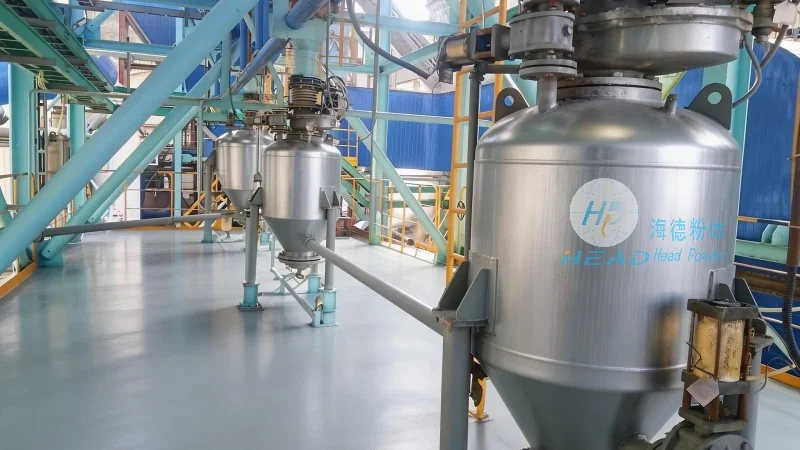
Safety considerations are paramount in the design of any material handling system, especially for handling fine powders like fluorspar. The design incorporates features such as dust suppression systems, explosion-proof components, and proper ventilation to mitigate the risks associated with dust explosions and inhalation hazards. Additionally, the system is designed to prevent material leakage and contamination, which is crucial for maintaining product quality and meeting regulatory requirements.
The fluorspar powder granular material conveying line is widely used in various industrial applications, particularly in the processing of fluorspar for use in metallurgical and chemical industries. The benefits of such a system include improved production efficiency, reduced labor costs, and enhanced product quality. By automating the material handling process, the system minimizes the need for manual handling, which reduces the risk of accidents and improves workplace safety.
Moreover, the efficient transportation of fluorspar powder ensures that the material is delivered to the processing units in a consistent and controlled manner, which is essential for maintaining the quality of the final products. The system also helps in reducing material losses and waste, which contributes to cost savings and environmental sustainability.
In conclusion, a fluorspar powder granular material conveying line is a sophisticated system designed to transport fluorspar powder efficiently and reliably. The design principles, which include material flow optimization, system integration, and safety considerations, ensure that the system operates at peak performance. The use of such a system in industrial applications brings numerous benefits, including improved productivity, enhanced product quality, and reduced operational costs. As the demand for fluorspar and other mineral products continues to grow, the importance of efficient material handling systems like the fluorspar powder granular material conveying line will only increase, making it a critical component in modern industrial operations.

 Shandong Headpowder Engineering Co., Ltd.
 156-6277-7102(Manager Zhang)
  0531-83386006
  Zhangqiu District, Jinan City, Shandong Province, China
telephone
WeChatconsult
top