With more than 10‑year industry experience, Shandong Headpowder delivers full‑service pneumatic‑conveying systems and blowers, undertaking nationwide turn‑key powder‑handling projects.
When it comes to the efficient handling and transportation of silica materials, specialized equipment plays a crucial role in industrial processes. A silica material conveying line, also known as a silica powder conveying system, is a comprehensive setup designed to transport silica-based materials from one location to another within a production facility. This system is integral to various industries, including pharmaceuticals, chemicals, and food processing, where the precise movement of fine powders is essential for maintaining product quality and operational efficiency.
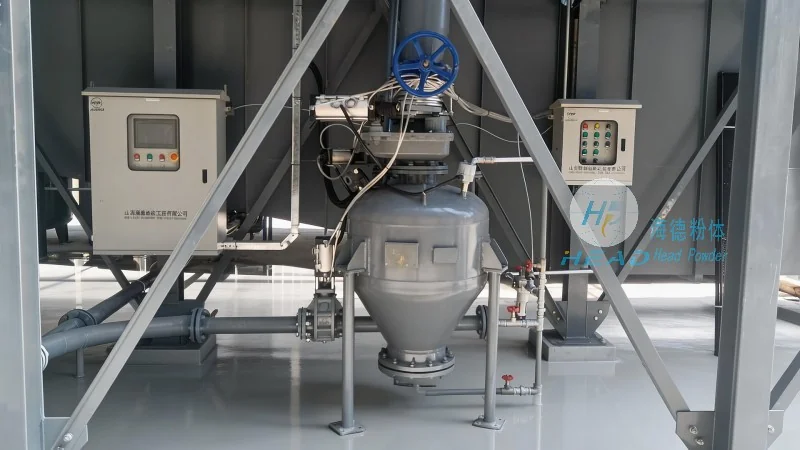
The design of a silica material conveying line typically involves several key components that work in tandem to ensure smooth and reliable material transport. These components include feeders, conveyors, control systems, and dust collection units. Each component is carefully selected and integrated to address the specific characteristics of silica materials, such as their fineness, moisture content, and flowability.
The design principles of a silica material conveying line are centered on maximizing efficiency, minimizing material loss, and ensuring safety. Key considerations include the selection of appropriate conveyor types, such as pneumatic or mechanical systems, based on the material's properties and the required transport distance. For example, pneumatic conveying systems are often preferred for fine silica powders due to their ability to handle high volumes and maintain low contamination levels. Mechanical conveyors, like belt or screw conveyors, may be used for bulkier or more abrasive materials.
Handling silica materials requires careful attention to factors like particle size, moisture content, and potential dust generation. Silica powders are often fine and can create dust, which poses health and safety risks if not properly managed. Therefore, conveying systems are designed with features like enclosed hoppers and ducts to contain dust and prevent inhalation. Additionally, the choice of materials for components, such as stainless steel or special alloys, is critical to prevent corrosion and ensure longevity, especially when dealing with silica that may have acidic or alkaline properties.
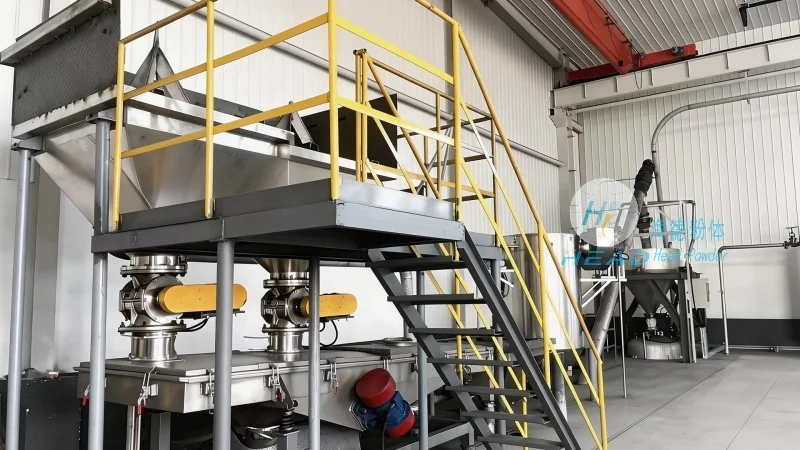
Modern silica material conveying lines often incorporate advanced control and automation technologies to enhance operational efficiency and reduce human error. These systems may include sensors to monitor material levels, flow rates, and pressure, as well as programmable logic controllers (PLCs) to regulate the operation of conveyors and feeders. Automation allows for precise control over the entire conveying process, ensuring that material is transported at the correct speed and volume, while also enabling remote monitoring and troubleshooting.
Silica material conveying lines are widely used in various industrial applications where the consistent and safe transport of silica-based materials is critical. In the pharmaceutical industry, for example, these systems are used to transport silica used as an excipient in drug formulations, ensuring that the material is handled in a sterile and contamination-free environment. In the chemical industry, they are employed to convey silica used in the production of coatings, adhesives, and other chemical products. The versatility of these systems makes them suitable for a wide range of applications, from small-scale laboratory settings to large-scale industrial production lines.
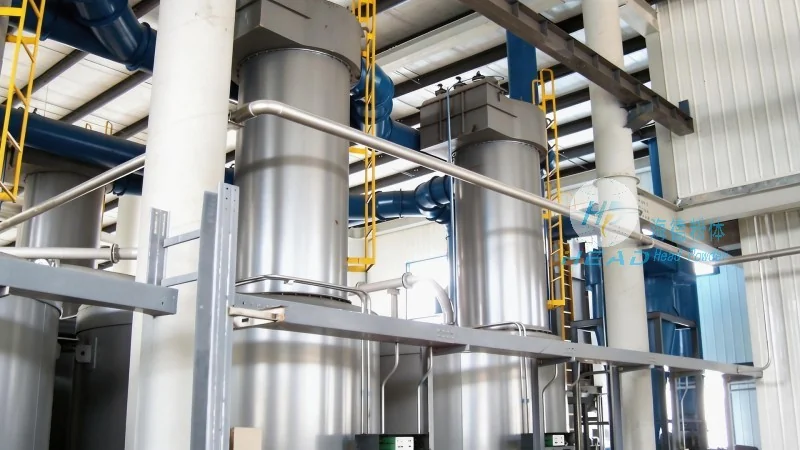
Given the diverse nature of silica materials and production requirements, silica material conveying lines are often customized to meet specific needs. This may involve integrating the conveying system with existing production equipment, such as mixers, reactors, or packaging machines. Customization can also include adjustments to the system's capacity, speed, and control features to align with the production schedule and material flow requirements. The ability to integrate seamlessly with other production processes is a key advantage of these conveying lines, as it minimizes downtime and maximizes overall operational efficiency.
Proper maintenance is essential to ensure the long-term performance and reliability of a silica material conveying line. Regular inspections and cleaning of components, such as hoppers, ducts, and conveyors, are necessary to prevent clogging and material buildup. Additionally, monitoring for signs of wear and tear, such as belt stretching or component corrosion, helps in identifying potential issues before they lead to system failures. Proper training of operators on the safe and efficient operation of the conveying system is also crucial to prevent accidents and ensure consistent performance.
In conclusion, a silica material conveying line is a critical component in industrial processes that require the efficient and safe handling of silica-based materials. The design principles and components of these systems are tailored to address the unique challenges of silica materials, ensuring that they are transported with minimal loss and contamination. By incorporating advanced control and automation technologies, and customizing the system to meet specific production needs, these conveying lines enhance operational efficiency and product quality. For industries relying on silica materials, investing in a well-designed and maintained conveying line is essential for maintaining competitiveness and meeting regulatory standards.

 Shandong Headpowder Engineering Co., Ltd.
 156-6277-7102(Manager Zhang)
  0531-83386006
  Zhangqiu District, Jinan City, Shandong Province, China
telephone
WeChatconsult
top