With more than 10‑year industry experience, Shandong Headpowder delivers full‑service pneumatic‑conveying systems and blowers, undertaking nationwide turn‑key powder‑handling projects.
For industrial applications that require efficient and reliable material handling, the film-coated sand pneumatic conveying system has emerged as a crucial technology. This system is designed to transport sand and other granular materials with a protective film coating, ensuring minimal dust generation and optimal material integrity during transport. Understanding the fundamentals of this system, including its design principles, is essential for industries such as foundries, construction, and manufacturing where material handling efficiency directly impacts production quality and safety.
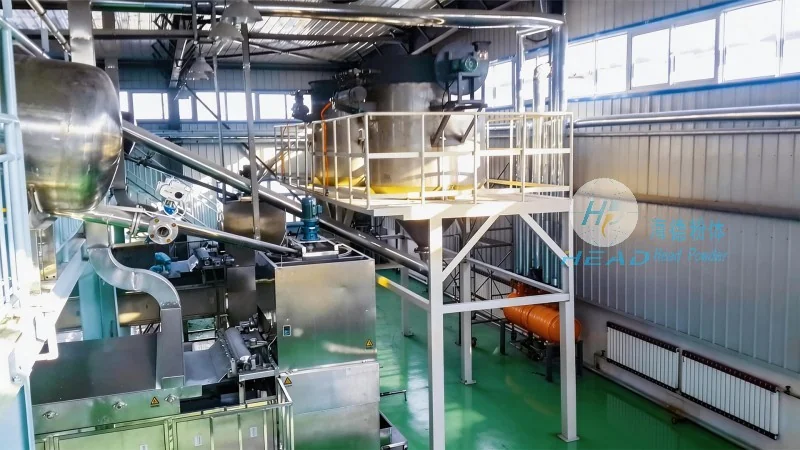
The film-coated sand pneumatic conveying system is a specialized equipment used to move sand that has been treated with a protective film coating. This coating serves to reduce dust, prevent moisture absorption, and maintain the quality of the sand, which is critical for applications like sand casting in foundries. The system operates by using compressed air to create a flow that propels the sand particles through a pipeline network. Unlike traditional bulk material handling methods, this pneumatic system offers advantages such as reduced labor costs, improved safety by minimizing dust exposure, and the ability to transport materials over longer distances without the need for intermediate storage or handling.
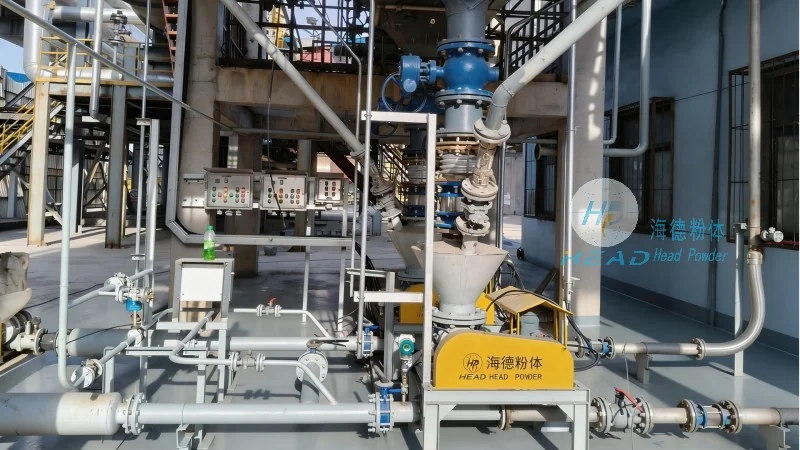
The design of a film-coated sand pneumatic conveying system is based on several core principles that ensure its effectiveness and efficiency. First, the system relies on the principle of air flow to transport the material. Compressed air is introduced into the system, creating a pressure differential that moves the sand particles through the pipeline. The design must consider the air velocity required to keep the sand in suspension, which is typically higher than the settling velocity of the sand particles to prevent clogging or blockages. Second, the system incorporates components such as airlocks, cyclones, and filters to manage the air and material flow. Airlocks are used to control the flow of sand into the conveying line, preventing backflow and ensuring a steady supply. Cyclones are employed to separate the sand from the air stream, allowing the sand to be deposited at the destination while the air is recycled or discharged. Filters are essential to capture any fine particles that may escape, maintaining air quality and compliance with environmental regulations. Third, the system's design takes into account the properties of the film-coated sand, including its density, particle size, and moisture content. These factors influence the air velocity and pressure required for effective transport. For example, finer sand particles may require higher air velocities to remain suspended, while coarser particles may need lower velocities to avoid excessive wear on the system components. Additionally, the film coating's thickness and material properties affect the sand's flow characteristics, which must be considered in the system's design to ensure smooth operation.
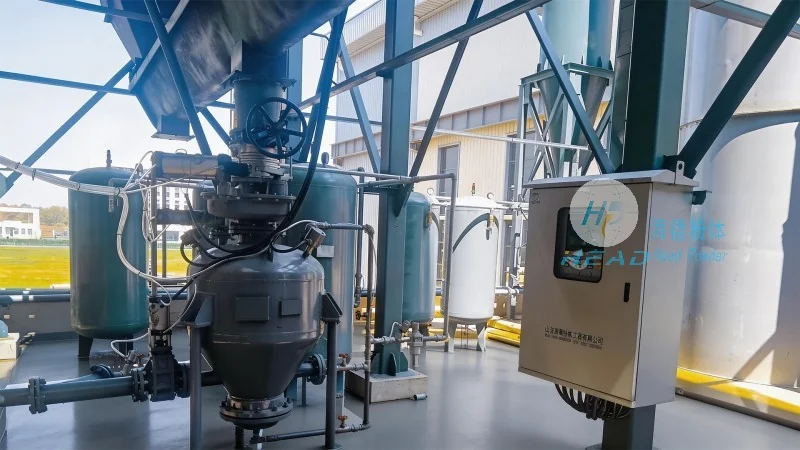
The film-coated sand pneumatic conveying system consists of several key components, each playing a vital role in the overall operation. The primary components include the material feed hopper, air compressor, conveying pipeline, airlock feeder, cyclone separator, and dust filter. The material feed hopper is where the film-coated sand is stored before being fed into the system. It is designed to maintain a consistent material level and provide a controlled flow of sand into the airlock feeder. The air compressor generates the compressed air needed to power the system, providing the necessary pressure to move the sand through the pipeline. The conveying pipeline is typically made of durable materials such as stainless steel or PVC to withstand the abrasive nature of the sand and the pressure of the air flow. The airlock feeder is a critical component that controls the flow of sand from the hopper into the conveying line. It uses a rotating valve or a piston to meter the sand, preventing backflow and ensuring a steady supply of material. The cyclone separator is a centrifugal device that separates the sand from the air stream. As the air and sand mixture enters the cyclone, the sand particles are forced to the outer wall due to centrifugal force and fall to the bottom of the cyclone, where they are collected and discharged. The air, now relatively clean, exits the top of the cyclone and is either recycled back to the compressor or discharged to the atmosphere. The dust filter is used to capture any fine particles that may have escaped the cyclone. It typically consists of a bag filter or a cartridge filter, which traps the particles and allows clean air to pass through. This ensures that the air discharged from the system meets environmental standards and does not cause dust pollution in the surrounding area.
The film-coated sand pneumatic conveying system offers several advantages over traditional material handling methods. One of the main advantages is the reduction in dust generation, which improves workplace safety and reduces the risk of respiratory issues for workers. The film coating on the sand also helps to prevent moisture absorption, which is important for maintaining the quality of the sand for casting applications. Another advantage is the ability to transport materials over long distances without the need for intermediate storage or handling. This can reduce the number of handling steps and improve overall production efficiency. The system is also relatively compact and can be installed in various locations, making it suitable for both new and existing facilities. The film-coated sand pneumatic conveying system is widely used in industries such as foundries, where it is used to transport sand for sand casting. In foundries, the system is used to move sand from storage to the molding area, ensuring a consistent supply of high-quality sand. The system is also used in construction and manufacturing industries for transporting sand for concrete production and other applications. Additionally, the system can be adapted to handle other granular materials, such as cement, gravel, and other powders, making it a versatile solution for various material handling needs.
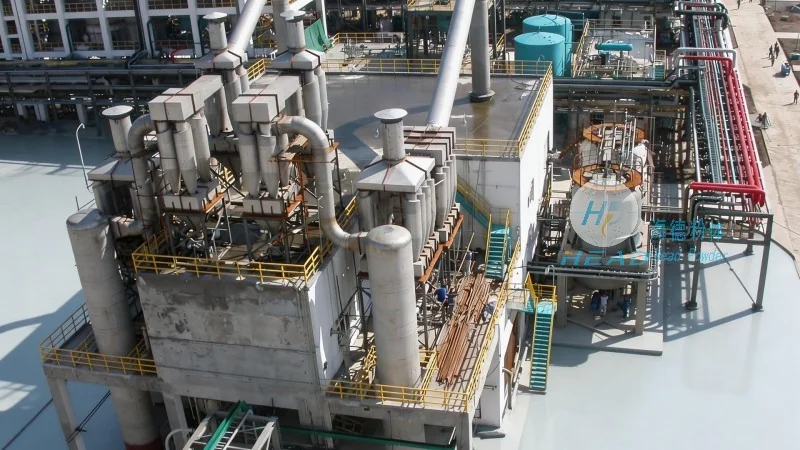
In conclusion, the film-coated sand pneumatic conveying system is a highly effective and efficient technology for transporting sand and other granular materials. Its design principles, which include the use of compressed air, airlocks, cyclones, and filters, ensure that the material is transported safely and reliably. The system offers several advantages over traditional methods, including reduced dust generation, improved material quality, and increased efficiency. For industries that rely on sand for their operations, such as foundries, the film-coated sand pneumatic conveying system is an essential piece of equipment that can improve production quality and safety. As technology continues to advance, the system may be further optimized to handle more materials and improve its performance, making it an even more valuable solution for material handling in the future.

 Shandong Headpowder Engineering Co., Ltd.
 156-6277-7102(Manager Zhang)
  0531-83386006
  Zhangqiu District, Jinan City, Shandong Province, China
telephone
WeChatconsult
top