With more than 10‑year industry experience, Shandong Headpowder delivers full‑service pneumatic‑conveying systems and blowers, undertaking nationwide turn‑key powder‑handling projects.
Calcium carbonate is a widely used industrial material, and the efficient transportation of this material is crucial for various production processes. The operation process and working principle of calcium carbonate material conveying lines are designed to ensure smooth, reliable, and safe material handling. This article provides a detailed overview of the key aspects involved in the operation of such systems, highlighting the technical components and operational procedures that contribute to their effectiveness.
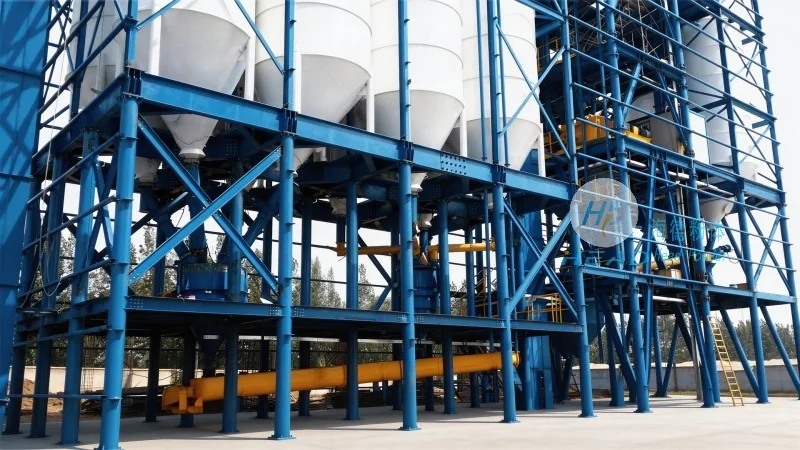
Calcium carbonate material conveying lines are specialized systems engineered to transport calcium carbonate powders or granules from storage areas to processing units or end-use applications. These systems are integral to industries such as construction, plastics, paper, and food processing, where calcium carbonate is used as a filler, pigment, or reinforcing agent. The design of these lines is tailored to handle the unique properties of calcium carbonate, including its fine particle size, dustiness, and potential for caking or bridging in storage.
The calcium carbonate material conveying line typically consists of several interconnected components that work in tandem to ensure efficient material movement. These components include:
The operation process of a calcium carbonate material conveying line involves a series of sequential steps that ensure the material is transported efficiently and safely. The process typically begins with the material being stored in the silos or hoppers. Once the material is ready for transport, the feeding equipment starts to discharge the material at a controlled rate into the conveyor. The conveyor then transports the material to the discharge point, where it is either stored in another silo or fed directly into the next processing stage.
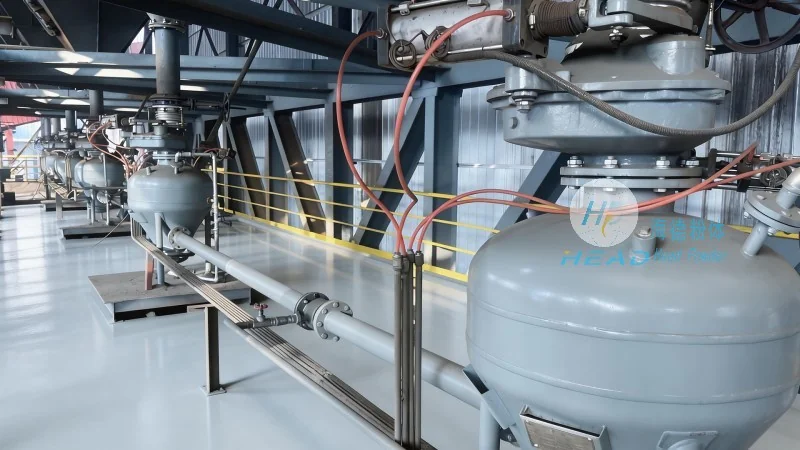
During the operation, the control system continuously monitors various parameters such as material level, flow rate, and pressure. If any abnormal conditions are detected, the system may automatically adjust the feeding rate or shut down the conveyor to prevent damage or accidents. The entire process is designed to be automated, minimizing the need for manual intervention and ensuring consistent performance.
The working principle of a calcium carbonate material conveying line is based on the principles of material handling and fluid dynamics. The system uses mechanical or pneumatic forces to move the material through the conveying equipment. For example, in a belt conveyor system, the material is carried on a moving belt, which transports it from the feeding point to the discharge point. In a screw conveyor system, the material is pushed forward by a rotating screw, which is enclosed in a tube. In a pneumatic conveying system, the material is carried by a stream of air, which is forced through a pipeline.
The choice of conveying method depends on the specific characteristics of the calcium carbonate material and the operational requirements of the system. For example, belt conveyors are suitable for handling bulk materials over long distances, while screw conveyors are ideal for handling fine powders or granules in a confined space. Pneumatic conveyors are often used for high-volume, low-density materials that are difficult to handle with mechanical conveyors.
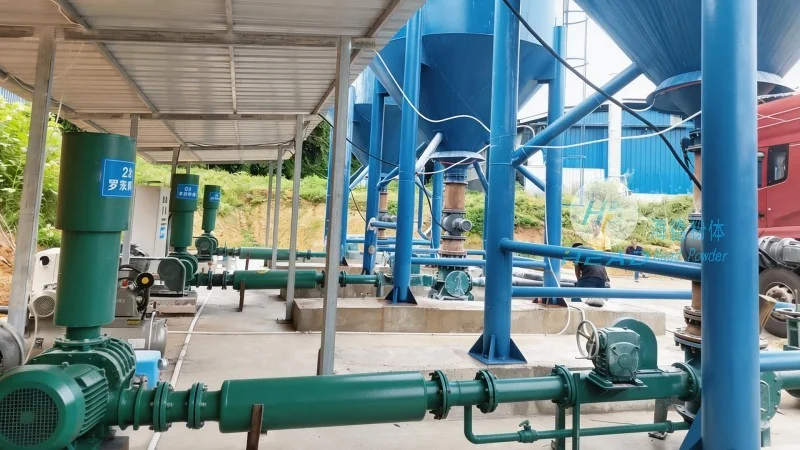
Proper design and regular maintenance are crucial for the efficient operation of calcium carbonate material conveying lines. The design of the system must take into account the properties of the material, such as its particle size, moisture content, and flowability, to ensure that the equipment can handle it without clogging or damaging the material. Regular maintenance, including cleaning, lubrication, and inspection of components, is essential to prevent breakdowns and ensure the longevity of the equipment.
In addition, the integration of advanced control systems and safety features is vital to ensure the safe and reliable operation of the conveying line. These systems help to prevent accidents, minimize downtime, and maintain consistent material flow, which are all critical for the smooth operation of production processes.
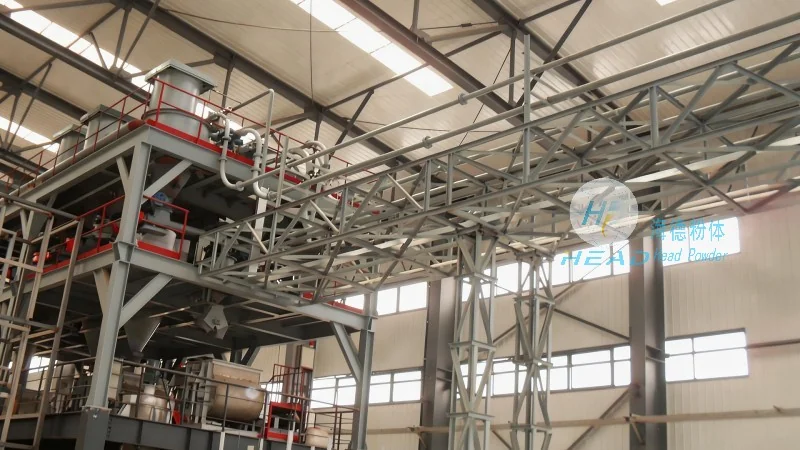
Shandong HeadPowder Engineering Co., Ltd., commonly known as HeadPowder, is a leading manufacturer and supplier of material handling equipment, including calcium carbonate material conveying lines. With a strong focus on innovation and quality, HeadPowder provides customized solutions tailored to the specific needs of its clients. The company's products are designed to meet the highest standards of performance, safety, and reliability, ensuring that they can handle the unique challenges of calcium carbonate material handling.
HeadPowder's team of experienced engineers and technicians work closely with clients to understand their requirements and develop solutions that optimize material flow, reduce downtime, and improve overall operational efficiency. The company's commitment to quality and customer satisfaction has made it a trusted partner in the industry, providing reliable and efficient material handling solutions for a wide range of applications.
With its headquarters in Shandong, China, HeadPowder serves clients worldwide, delivering high-quality equipment and technical support to meet the diverse needs of the industrial sector. The company's expertise in material handling technology, combined with its dedication to customer service, makes it a preferred choice for businesses seeking to enhance their material handling capabilities.

 Shandong Headpowder Engineering Co., Ltd.
 156-6277-7102(Manager Zhang)
  0531-83386006
  Zhangqiu District, Jinan City, Shandong Province, China
telephone
WeChatconsult
top