With more than 10‑year industry experience, Shandong Headpowder delivers full‑service pneumatic‑conveying systems and blowers, undertaking nationwide turn‑key powder‑handling projects.
Light calcium powder, also known as precipitated calcium carbonate (PCC), is a widely used industrial material in various sectors such as paper, plastics, and coatings. The efficient and reliable transportation of this fine powder is crucial for maintaining production efficiency and product quality. This article explores the concept of a light calcium powder pneumatic conveying system, delving into its design principles and operational mechanisms.
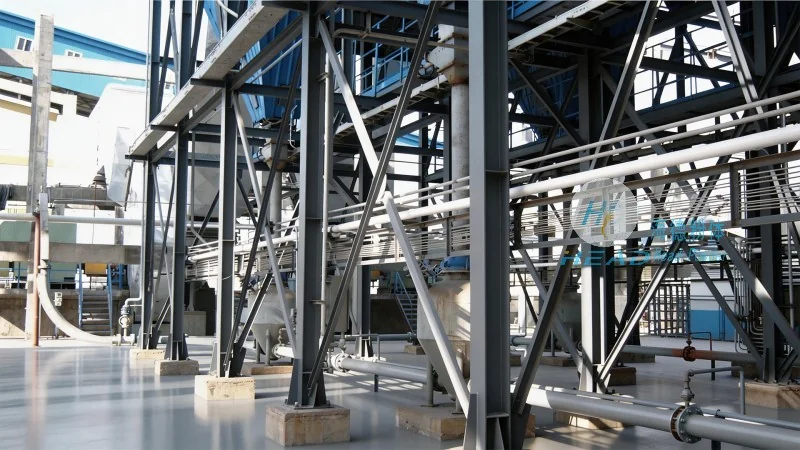
A light calcium powder pneumatic conveying system is a technology that uses compressed air or other gas to transport light calcium powder from one location to another. This method is particularly advantageous for handling fine powders that are difficult to convey using traditional mechanical methods like belts or buckets. The system typically consists of a hopper, a conveyor line, a control unit, and a dust collection system, all working in tandem to ensure smooth and efficient material transport.
The core components of a light calcium powder pneumatic conveying system include:
1. Hopper: This is the storage vessel where the light calcium powder is held before being conveyed. It is designed to prevent material bridging and ensure a consistent flow of powder into the conveyor line.
2. Conveying Line: The main pipeline through which the powder and air travel. The line is usually made of materials resistant to corrosion and wear, such as stainless steel or special plastic composites, to withstand the abrasive nature of the fine powder.
3. Control Unit: This component regulates the flow of air and powder, ensuring optimal pressure and flow rates. It may include valves, regulators, and sensors to monitor and adjust the system's performance in real-time.
4. Dust Collection System: As the powder is transported through the air, fine particles can become airborne. A dust collection system, often integrated with the conveying line, captures these particles to prevent environmental contamination and maintain air quality.
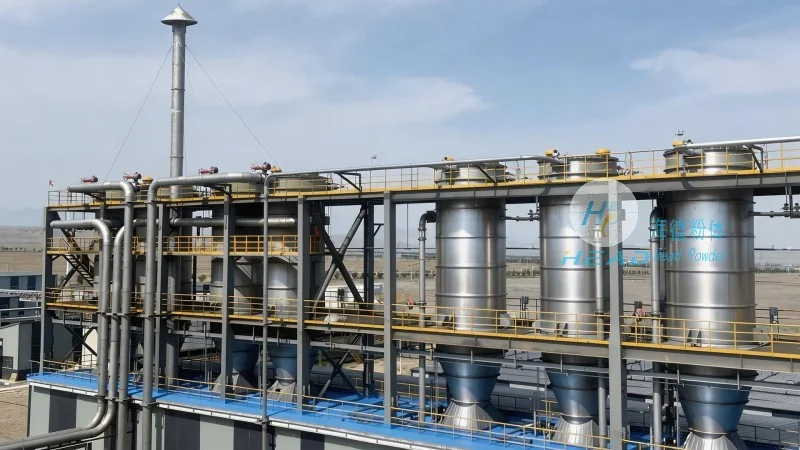
The design of a light calcium powder pneumatic conveying system is based on several fundamental principles to ensure efficient and reliable operation:
1. Pressure Drop Management: The system is designed to maintain an appropriate pressure drop along the conveying line. This ensures that the air velocity is sufficient to lift and transport the powder particles without causing excessive wear or energy consumption.
2. Particle Size and Density Considerations: The system's design takes into account the specific characteristics of the light calcium powder, such as particle size distribution and bulk density. These factors influence the required air velocity and pressure to achieve effective conveying.
3. System Sizing and Layout: Proper sizing of the hopper, conveyor line diameter, and air supply capacity is critical. The layout must also consider the distance and elevation changes between the source and destination points to optimize energy usage and prevent material blockages.
4. Material Compatibility: All components of the system are selected to be compatible with the light calcium powder, including resistance to chemical reactions and wear from the fine particles. This ensures the longevity and reliability of the system.
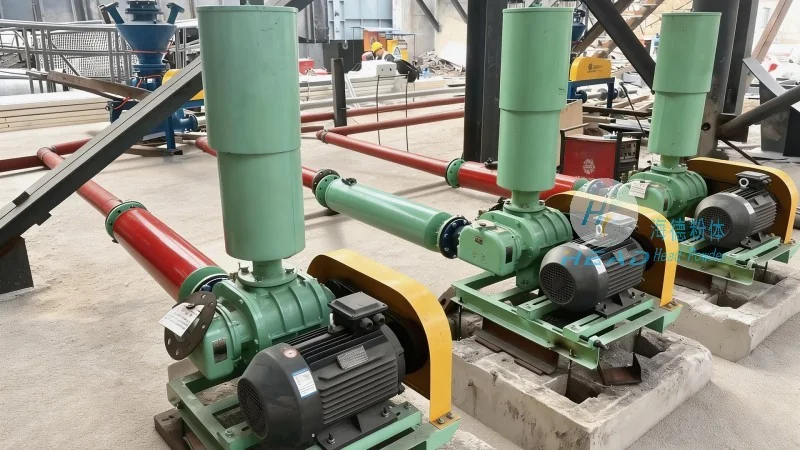
Implementing a pneumatic conveying system for light calcium powder offers several benefits over traditional methods:
1. Reduced Downtime and Maintenance: Pneumatic systems minimize the need for manual handling and reduce the risk of material buildup, leading to lower maintenance requirements and less downtime.
2. Improved Product Quality: By avoiding contact with external contaminants and reducing the risk of material degradation during transport, the system helps maintain the purity and quality of the light calcium powder.
3. Energy Efficiency: Modern pneumatic conveying systems are designed to be energy-efficient, with optimized air flow and pressure control that reduce operational costs.
4. Flexibility and Scalability: The system can be easily adapted to different production needs, with options for varying conveyor lengths, capacities, and material types, making it suitable for both small-scale and large-scale operations.
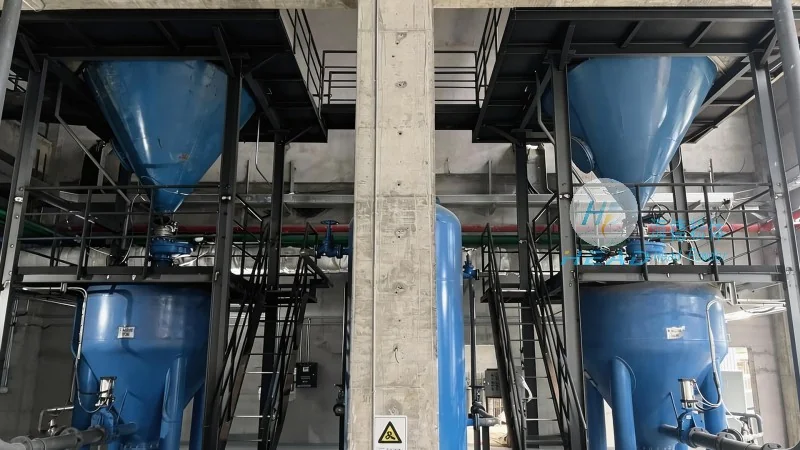
Light calcium powder pneumatic conveying systems are widely used in various industries where fine powders are a key component:
1. Paper Manufacturing: Light calcium powder is a common filler in paper production, and pneumatic conveying ensures efficient transport from storage to the papermaking process.
2. Plastic and Rubber Industry: In the production of plastic and rubber products, light calcium powder is used as a reinforcing agent. The system facilitates its transport from storage to mixing and processing equipment.
3. Coatings and Paints: Light calcium powder is used as a pigment or filler in coatings and paints. The pneumatic system ensures consistent and high-quality powder delivery to the production line.
4. Pharmaceutical and Food Industry: In some applications, light calcium powder is used as a food additive or in pharmaceutical formulations. The system's ability to handle fine powders with minimal contamination makes it suitable for these industries.
A light calcium powder pneumatic conveying system is a sophisticated and efficient solution for transporting fine industrial powders. By understanding its design principles and operational mechanisms, industries can optimize their material handling processes, improve product quality, and reduce operational costs. With the expertise of companies like Shandong HeadPowder Engineering Co., Ltd., based in China, businesses can implement and maintain reliable pneumatic conveying systems tailored to their specific needs.

 Shandong Headpowder Engineering Co., Ltd.
 156-6277-7102(Manager Zhang)
  0531-83386006
  Zhangqiu District, Jinan City, Shandong Province, China
telephone
WeChatconsult
top