

Operation Process and Working Principle of Coal and Coke Material Conveying Lines
Coal and coke material conveying lines are critical components in industrial settings, particularly in the mining, power generation, and chemical sectors. These systems are designed to efficiently transport bulk materials like coal and coke from one location to another, ensuring smooth operations and minimizing downtime. Understanding the operation process and working principle of such conveying lines is essential for optimizing performance and maintaining safety standards.
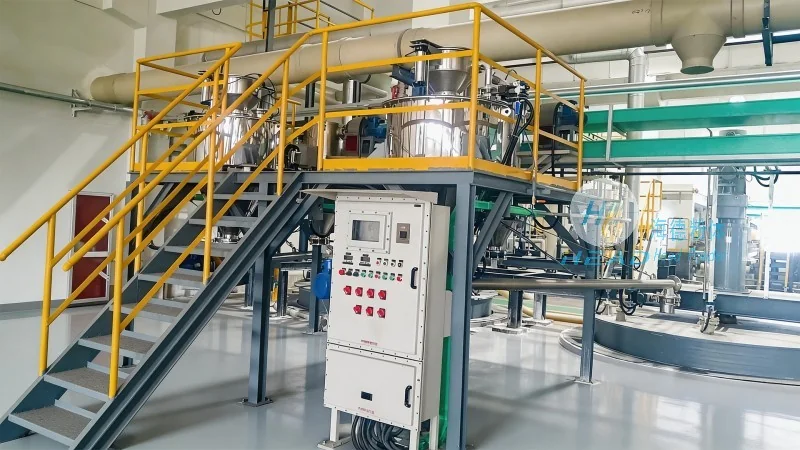
Company Overview: Shandong HeadPowder Engineering Co., Ltd.
HeadPowder, a leading manufacturer in the field of material handling equipment, specializes in the design, production, and installation of coal and coke material conveying lines. With a strong presence in China, particularly in Shandong province, the company has built a reputation for delivering high-quality, reliable, and efficient conveying solutions tailored to the specific needs of various industries. The company's commitment to innovation and customer satisfaction has made it a trusted partner for businesses seeking to enhance their material handling capabilities.
Key Components of Coal and Coke Material Conveying Lines
The operation of a coal and coke material conveying line involves several key components that work in harmony to ensure effective material transport. The primary components include the conveyor belt, drive system, idler rollers, tensioning devices, and control systems. The conveyor belt, typically made of durable materials like rubber or synthetic fabrics, is responsible for carrying the bulk material. The drive system, which may consist of electric motors and gearboxes, provides the necessary power to move the belt. Idler rollers support the belt and maintain its tension, while tensioning devices adjust the belt's tension to prevent slippage or excessive stretching. Control systems, often integrated with sensors and automation technology, monitor the conveying process and adjust parameters as needed to maintain optimal performance.
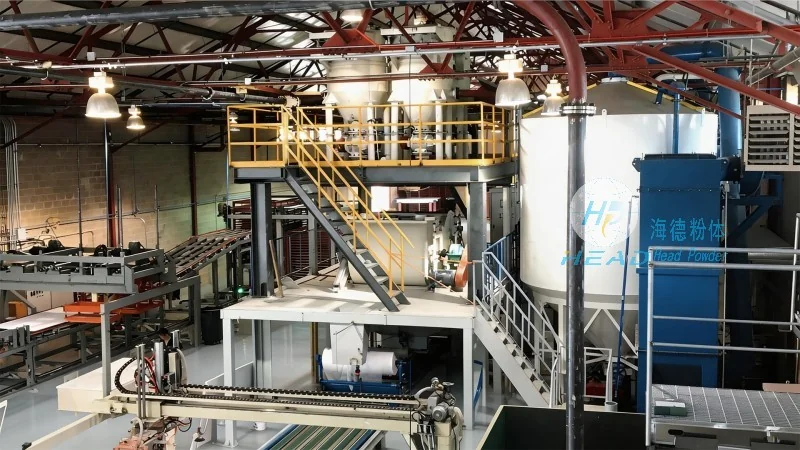
The Operation Process of Coal and Coke Material Conveying Lines
The operation process of a coal and coke material conveying line begins with the loading of the material at the inlet. The material is fed onto the conveyor belt, which then transports it to the discharge point. The speed of the conveyor belt is controlled by the drive system, allowing for adjustments based on the material type and processing requirements. As the material moves along the belt, it may encounter various components such as transfer points, incline sections, or screening devices, which help in sorting or preparing the material for further processing. The discharge point is where the material is released, either into a storage facility, processing unit, or another conveying system. Throughout the operation, the control system continuously monitors parameters like belt speed, tension, and material flow, ensuring that the system operates within safe and efficient limits.
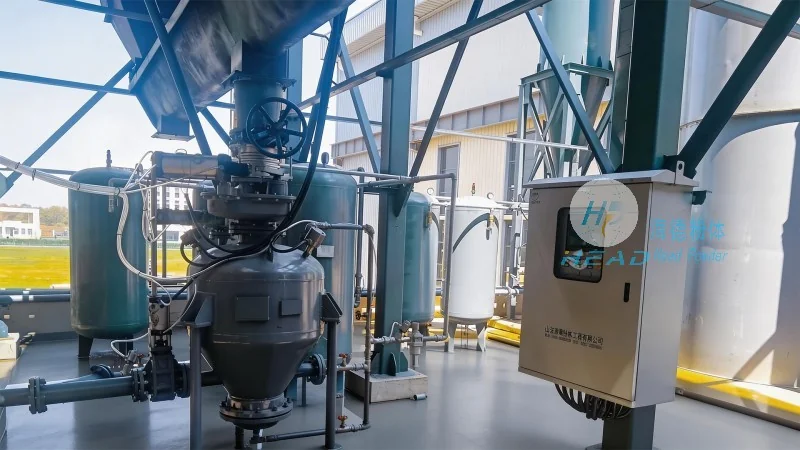
Working Principle of Coal and Coke Material Conveying Lines
The working principle of a coal and coke material conveying line is based on the mechanical movement of the conveyor belt. The drive system rotates the pulleys, which in turn move the belt. As the belt moves, the material placed on it is carried along the path of the belt. The tension in the belt is maintained by the tensioning devices, which ensure that the belt does not slip or become too loose. The idler rollers provide support and reduce friction, allowing the belt to move smoothly. The control system plays a crucial role in regulating the operation, by adjusting the speed of the drive system, monitoring the tension, and detecting any abnormalities such as blockages or overloads. This integrated approach ensures that the conveying line operates efficiently and safely, minimizing the risk of accidents and maximizing productivity.
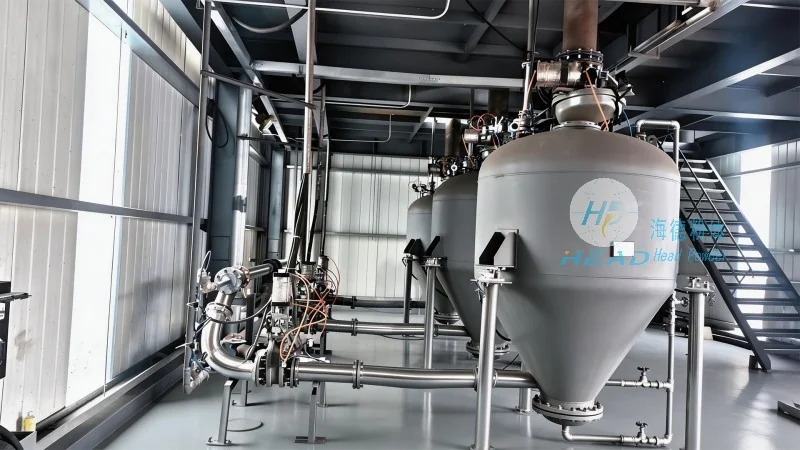
Benefits of Using Coal and Coke Material Conveying Lines
Implementing coal and coke material conveying lines offers numerous benefits to industrial operations. These systems significantly improve material handling efficiency by reducing manual labor and minimizing the time required to transport bulk materials. They also enhance safety by eliminating the need for workers to handle heavy or hazardous materials manually. Additionally, the automated nature of these systems allows for consistent and reliable material transport, which is crucial for maintaining production schedules and meeting quality standards. The durability and reliability of modern conveying lines, particularly those manufactured by companies like HeadPowder, ensure long-term operational performance with minimal maintenance requirements.
Applications and Industries
Coal and coke material conveying lines are widely used in various industries, including power generation, steel production, and chemical processing. In power plants, these systems transport coal to boilers for combustion, while in steel mills, they move coke to furnaces for iron and steel production. The chemical industry also utilizes conveying lines to transport raw materials and finished products, ensuring smooth operations in production lines. The versatility of these systems makes them suitable for a wide range of applications, from small-scale operations to large industrial facilities.