

What is a Pneumatic Conveying System for Artificial Graphite Powder? And What Are Its Design Princip
When it comes to the efficient and reliable transport of artificial graphite powder, pneumatic conveying systems have emerged as a critical solution in industrial applications. These systems utilize air or gas to move powder materials through a pipeline, offering advantages such as low maintenance, minimal product contamination, and the ability to handle a wide range of particle sizes and flow rates. For industries dealing with artificial graphite, which is widely used in battery anodes, lubricants, and other high-performance applications, selecting the right pneumatic conveying system is essential for optimizing production processes and ensuring product quality.
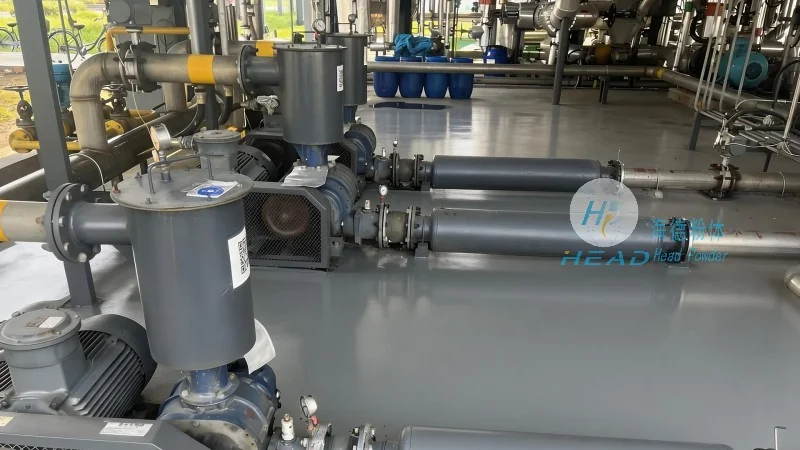
About HeadPowder: Your Expert in Pneumatic Conveying Solutions
HeadPowder, or Shandong HeadPowder Engineering Co., Ltd., is a leading manufacturer and supplier of advanced pneumatic conveying equipment. With headquarters in Shandong, China, the company specializes in designing and producing systems tailored to the unique needs of artificial graphite powder handling. HeadPowder’s commitment to quality, innovation, and customer satisfaction has established it as a trusted partner for businesses seeking reliable and efficient material transport solutions.
What Is a Pneumatic Conveying System for Artificial Graphite Powder?
A pneumatic conveying system for artificial graphite powder is a mechanical system that uses compressed air or other gases to transport dry powder materials through a pipeline. The system typically consists of a hopper for material storage, a conveyor line (often with multiple sections like a feed section, transport section, and discharge section), and control components such as valves, filters, and pressure regulators. The artificial graphite powder is fed into the system, and as air is introduced, it creates a flow that carries the powder particles through the pipeline to the destination point, such as a storage silo, processing unit, or packaging area.
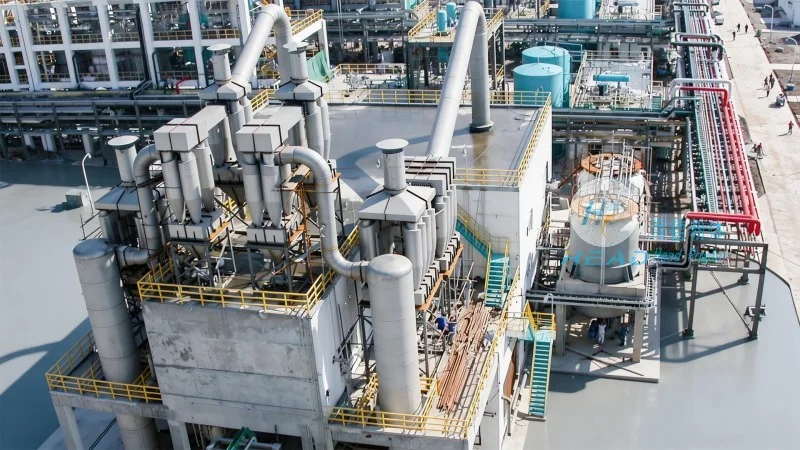
Key Components of the System
The effectiveness of a pneumatic conveying system for artificial graphite powder depends on several key components. The hopper is designed to hold the powder and provide a consistent feed rate, often equipped with a feeder like a rotary valve or a vibratory feeder to control the material flow. The conveyor line is usually made of materials resistant to corrosion and abrasion, such as stainless steel or special polymers, to withstand the abrasive nature of graphite particles. The air supply system, including a compressor and air treatment equipment like filters and dryers, ensures clean and dry air to prevent moisture contamination of the graphite powder. Additionally, control valves and sensors are used to regulate the flow and pressure within the system, maintaining optimal operation and preventing blockages or overpressurization.
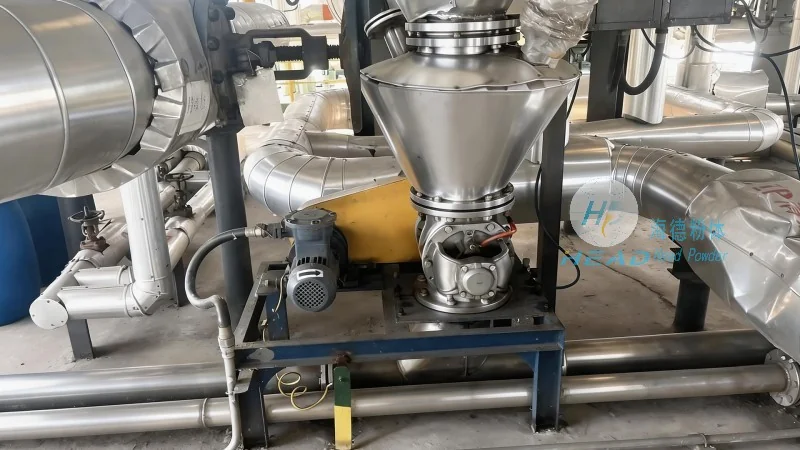
Design Principles Behind the System
The design of a pneumatic conveying system for artificial graphite powder is based on several fundamental principles to ensure efficient and reliable operation. The first principle is the selection of the appropriate conveying velocity, which is the speed at which the air flows through the pipeline. This velocity must be high enough to overcome the gravitational and frictional forces acting on the powder particles but low enough to prevent excessive wear on the system components. The conveying velocity is typically determined by the particle size, density, and flow rate of the artificial graphite powder, as well as the pipeline diameter and length. Another critical principle is the use of a consistent air-to-powder ratio, which is the ratio of the volume of air to the volume of powder being transported. An optimal air-to-powder ratio ensures that the powder particles are fully suspended in the air stream, preventing settlement or blockages in the pipeline. The system design also considers the pressure drop across the pipeline, which is the reduction in air pressure as it moves through the system. Proper design minimizes pressure drop to reduce energy consumption and maintain efficient operation. Furthermore, the system incorporates safety features such as pressure relief valves and explosion-proof components to handle the potential hazards associated with powder handling, including dust explosions and material buildup.
Advantages of Using a Pneumatic Conveying System for Artificial Graphite Powder
Implementing a pneumatic conveying system for artificial graphite powder offers numerous advantages over traditional methods like bucket elevators or belt conveyors. One of the primary benefits is the ability to handle abrasive materials without significant wear on the system components. Graphite particles are known for their hardness and ability to cause wear on metal surfaces, but pneumatic systems use air as the primary transport medium, reducing direct contact between the particles and the pipeline. This results in lower maintenance costs and longer system lifespans. Another advantage is the prevention of product contamination. Pneumatic systems are enclosed, which prevents dust from escaping into the environment and keeps the artificial graphite powder free from external contaminants. This is particularly important for high-purity applications like battery anodes, where even small amounts of impurities can affect performance. Additionally, pneumatic conveying systems offer flexibility in terms of layout and installation. They can be designed to follow the existing factory layout, with pipelines running vertically, horizontally, or at various angles, allowing for efficient use of space and integration with other production equipment. The systems also provide consistent and controlled flow rates, which is crucial for maintaining stable production processes and meeting quality standards. Finally, pneumatic conveying systems are generally more energy-efficient compared to other bulk material handling methods, as they use compressed air that can be recycled and reused within the system, reducing overall energy consumption.