

What is a Sorghum Dregs Powder Pneumatic Conveying Equipment? And What Are Its Design Principles?
HeadPowder, a leading engineering company based in Shandong, China, specializes in the design and manufacturing of advanced pneumatic conveying systems. One of their key products is the sorghum dregs powder pneumatic conveying equipment, which is specifically engineered to handle the unique challenges associated with transporting sorghum dregs, a byproduct of the distillation process in the liquor industry. This equipment is crucial for efficient material handling in breweries and distilleries, ensuring smooth and reliable operation in the production line.
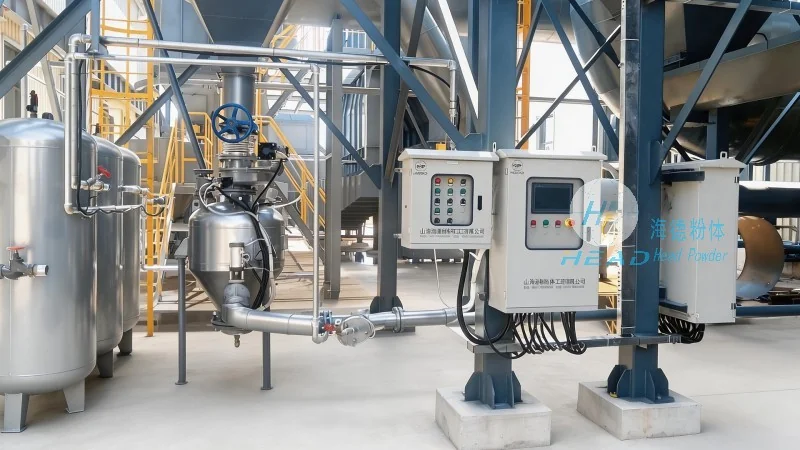
Understanding the Sorghum Dregs Powder Pneumatic Conveying Equipment
The sorghum dregs powder pneumatic conveying equipment is a sophisticated system designed to transport fine powders, such as sorghum dregs, from one location to another within a facility. Unlike traditional mechanical conveying methods, this equipment utilizes air pressure to move the material, making it ideal for handling materials that are prone to dust, caking, or segregation. The system typically consists of a hopper, a blower or compressor, a pipeline network, and a receiver or discharge unit. Each component plays a critical role in the overall operation, ensuring that the material is conveyed safely and efficiently.
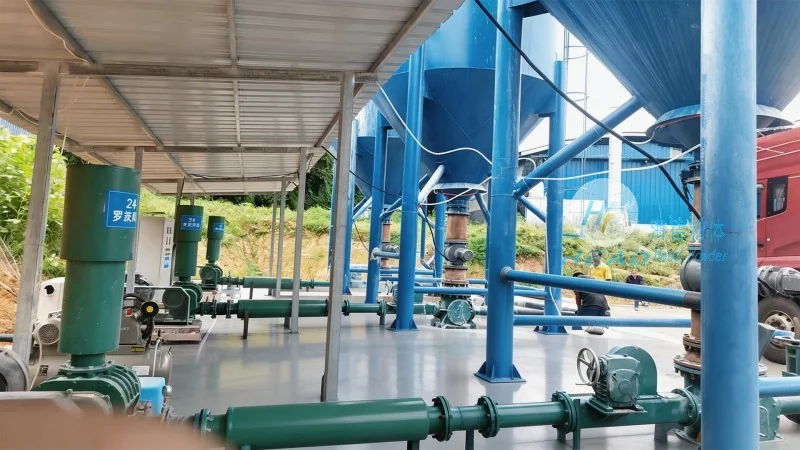
Key Components and Their Functions
1. Hopper: The hopper is the storage container where the sorghum dregs are loaded before being conveyed. It is designed with a sloped bottom to facilitate the material's flow into the conveying line. The hopper may also include a feeder, such as a rotary valve or a screw feeder, to control the flow rate of the material into the system. This component ensures that the material is fed uniformly and prevents blockages or overfilling. 2. Blower or Compressor: The blower or compressor is the heart of the pneumatic conveying system. It generates the necessary air pressure to move the material through the pipeline. The choice between a blower and a compressor depends on the specific application and the characteristics of the material being conveyed. For sorghum dregs, a positive displacement blower is often preferred due to its ability to handle high volumes of material with low air consumption. 3. Pipeline Network: The pipeline network is a series of tubes that connects the hopper to the receiver. The diameter and length of the pipeline are carefully selected to minimize pressure drop and ensure efficient material transport. The pipeline may include bends, elbows, and other fittings that are designed to maintain the material's flow without causing excessive friction or separation. 4. Receiver or Discharge Unit: The receiver is the final destination where the sorghum dregs are deposited. It is typically a hopper or a storage tank that is equipped with a discharge valve or a conveyor to transfer the material to the next stage of the production process. The receiver is designed to prevent dust emissions and ensure that the material is collected in a clean and controlled manner.
Design Principles of the Pneumatic Conveying System
The design of the sorghum dregs powder pneumatic conveying equipment follows several key principles to ensure optimal performance and reliability. First, the system is designed to handle the specific physical properties of sorghum dregs, such as its particle size, moisture content, and bulk density. These properties affect the air velocity required for conveying and the pressure drop along the pipeline. The design team at HeadPowder conducts thorough material testing to determine the optimal air velocity and pressure levels for the application. Second, the system is designed with a focus on energy efficiency. By using a positive displacement blower, the equipment minimizes air consumption while maintaining high conveying rates. This not only reduces operational costs but also contributes to a more sustainable operation. The pipeline design is optimized to minimize pressure losses, further enhancing energy efficiency. Third, the system is designed for easy maintenance and cleaning. Sorghum dregs can be sticky and prone to caking, which can lead to blockages in the pipeline. The equipment is equipped with features such as cleaning ports and removable components that allow for quick and efficient cleaning. This ensures that the system remains in good working condition and reduces downtime. Fourth, the system is designed with safety in mind. The equipment includes safety features such as pressure relief valves, explosion-proof components, and dust collection systems to prevent accidents and protect the operators. The use of air as the conveying medium also reduces the risk of fire or explosion compared to traditional mechanical conveying methods.
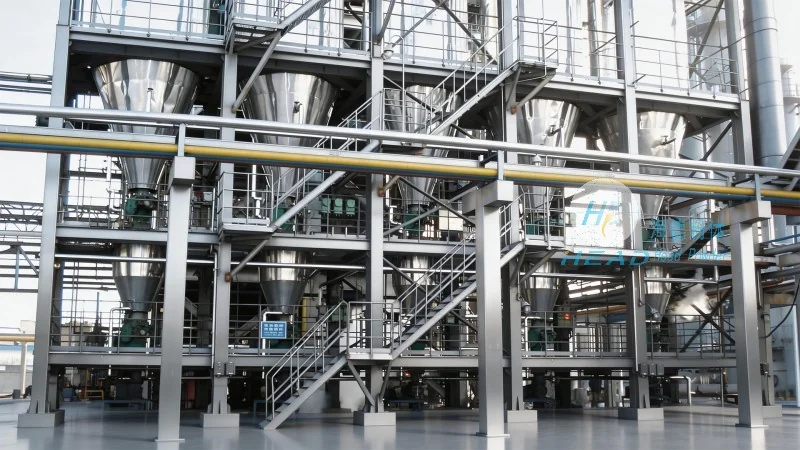
Applications and Benefits
The sorghum dregs powder pneumatic conveying equipment is widely used in the liquor industry, particularly in breweries and distilleries that produce sorghum-based liquors. The equipment is used to transport sorghum dregs from the distillation process to storage or further processing units. The benefits of using this equipment include: - Efficient Material Handling: The system can transport large volumes of sorghum dregs quickly and reliably, reducing the time and labor required for material handling. - Reduced Downtime: The equipment is designed for easy maintenance and cleaning, minimizing downtime and ensuring continuous operation. - Improved Product Quality: By preventing material segregation and caking, the system ensures that the sorghum dregs are handled in a consistent manner, leading to improved product quality. - Energy Efficiency: The use of a positive displacement blower and optimized pipeline design reduces energy consumption, lowering operational costs. - Enhanced Safety: The equipment includes safety features that protect operators and prevent accidents, creating a safer working environment.