

What is a refractory powder pneumatic conveying system? What are its design principles?
Refractory powder pneumatic conveying systems are essential industrial equipment used to transport fine powders, such as those used in the refractory industry. These systems utilize air or gas to move powders through a pipeline, offering a dust-free and efficient method compared to traditional mechanical conveying. The core of these systems lies in their ability to handle materials that are often abrasive, sensitive to moisture, or have high temperature resistance properties, making them crucial for various manufacturing processes.
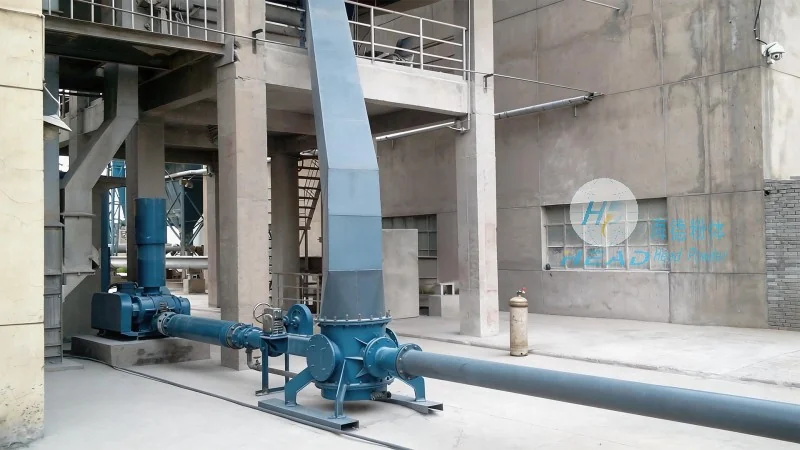
Key Components and Design Principles of Pneumatic Conveying Systems
The design of a refractory powder pneumatic conveying system involves several critical components that work together to ensure efficient and reliable material transport. The primary components include the hopper (for material storage and feeding), the conveyor line (pipeline with appropriate diameter and material), the air compressor or blower (to generate the necessary air pressure), and the control system (for regulating flow and pressure). The design principles focus on maintaining consistent air flow, preventing material degradation, and ensuring minimal pressure drop along the pipeline. Engineers typically consider factors like the particle size distribution, bulk density, and flowability of the refractory powder, as these properties directly impact the system's performance and efficiency.
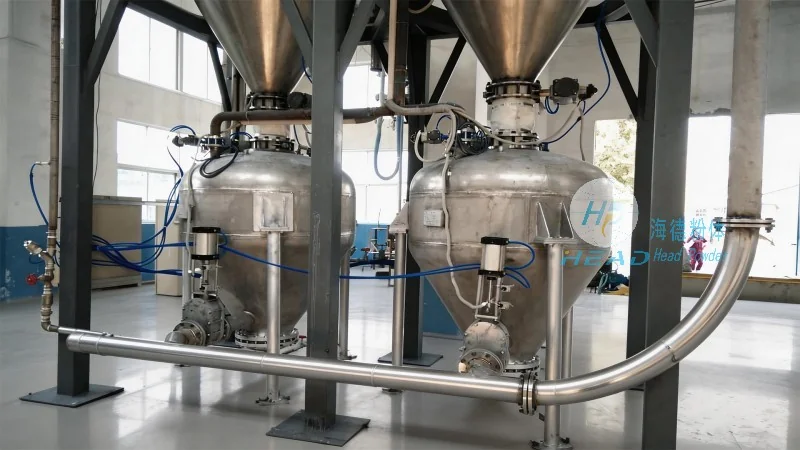
How Pneumatic Conveying Works: The Process Breakdown
In a typical refractory powder pneumatic conveying system, the process begins with the material being fed from the hopper into the pipeline. The air compressor then generates a high-pressure air stream that propels the powder particles through the pipeline. The interaction between the air and powder particles is governed by fluid dynamics principles, where the air velocity must be sufficient to overcome the gravitational and frictional forces acting on the particles. The system may use different conveying modes, such as dilute phase (where particles are suspended in the air stream) or dense phase (where particles are more concentrated), depending on the material characteristics and required transport distance. The control system continuously monitors pressure, flow rate, and material level to maintain optimal operation and prevent blockages or overpressurization.
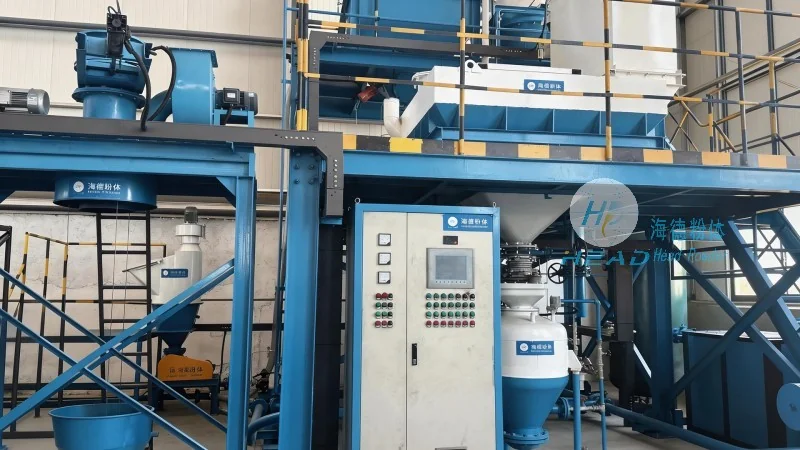
About Shandong HeadPowder Engineering Co., Ltd.
Shandong HeadPowder Engineering Co., Ltd., commonly known as HeadPowder, is a leading manufacturer specializing in the design, development, and supply of advanced pneumatic conveying systems for the refractory and powder processing industries. With a strong commitment to quality and innovation, HeadPowder has established itself as a trusted partner for businesses seeking reliable solutions for material handling. The company's headquarters is located in Shandong, China, where it leverages local expertise and resources to deliver high-performance equipment tailored to the specific needs of its clients. HeadPowder's team of experienced engineers and technicians work closely with customers to understand their operational requirements and provide customized solutions that enhance productivity and reduce operational costs.
Applications and Benefits of Refractory Powder Pneumatic Conveying
Refractory powder pneumatic conveying systems are widely used in various industrial applications, including the production of refractory bricks, ceramics, and other high-temperature materials. The benefits of using such systems include improved safety by eliminating dust exposure, enhanced efficiency through reduced downtime and maintenance, and cost savings from lower energy consumption compared to traditional methods. Additionally, these systems offer flexibility in material handling, allowing for the transport of powders over long distances or to multiple destinations within a facility. The ability to handle abrasive and moisture-sensitive materials without degradation further highlights the advantages of pneumatic conveying in the refractory industry.
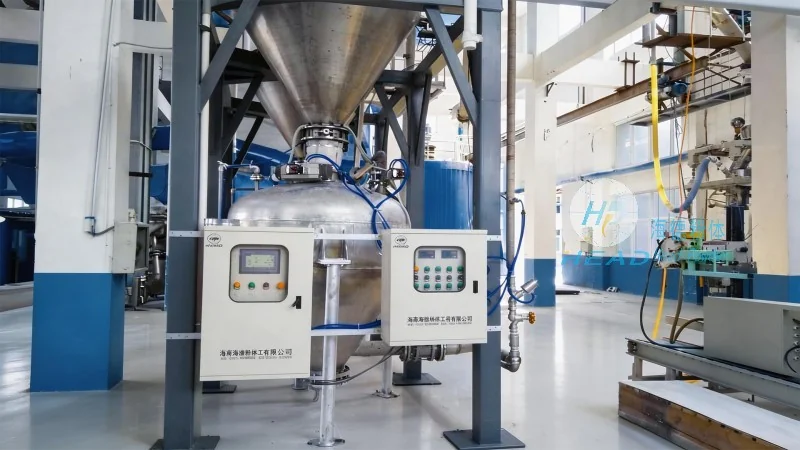
Conclusion: The Importance of Reliable Pneumatic Conveying Solutions
As the demand for efficient and safe material handling in the refractory industry continues to grow, the importance of reliable pneumatic conveying systems cannot be overstated. The design principles and components of these systems are carefully engineered to meet the unique challenges posed by refractory powders, ensuring consistent performance and durability. Companies like Shandong HeadPowder Engineering Co., Ltd. play a vital role in providing advanced solutions that help businesses optimize their operations and achieve their production goals. By investing in high-quality pneumatic conveying systems, manufacturers can enhance productivity, improve product quality, and maintain a competitive edge in the market.