With more than 10‑year industry experience, Shandong Headpowder delivers full‑service pneumatic‑conveying systems and blowers, undertaking nationwide turn‑key powder‑handling projects.
Monosodium glutamate (MSG) is a widely used flavor enhancer in the food industry, and its efficient handling and transportation are crucial for production processes. A monosodium glutamate powder pneumatic conveying system is a specialized equipment designed to transport MSG powder through the use of air or other gas as the conveying medium. This system is essential for ensuring the safe, efficient, and hygienic movement of MSG from storage to processing units.
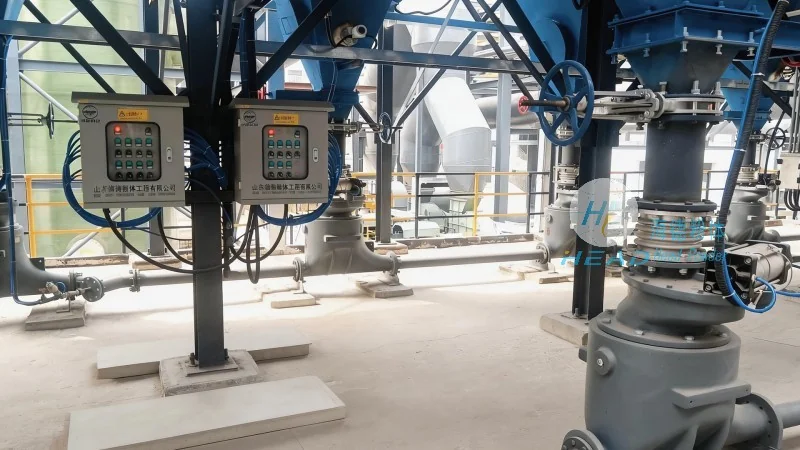
The monosodium glutamate powder pneumatic conveying system, often referred to as a pneumatic conveyor, is a technology that uses pressure or vacuum to move dry powder materials like MSG through a pipeline. The system typically consists of several key components, including a hopper for material storage, a feeder to control the flow rate, a conveying line (usually made of stainless steel to maintain hygiene), and a receiver for the discharged material. The company, Shandong HeadPowder Engineering Co., Ltd., specializes in designing and manufacturing such systems, with a focus on meeting the specific needs of the food processing industry.
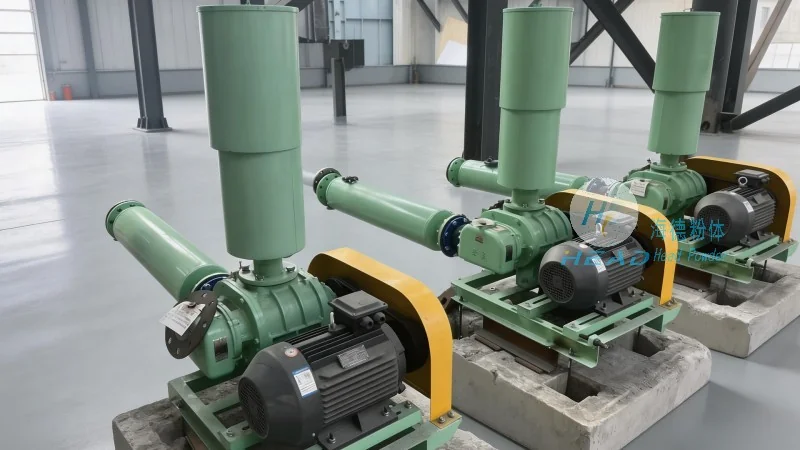
The design of a monosodium glutamate powder pneumatic conveying system is based on several fundamental principles to ensure optimal performance and efficiency. The first principle is the selection of the appropriate conveying method, which can be categorized into pressure and vacuum systems. Pressure systems use compressed air to push the material through the pipeline, while vacuum systems use a vacuum to pull the material. For MSG, a pressure system is often preferred due to its ability to handle high material loads and maintain consistent flow rates. The second principle is the calculation of the air velocity and material flow rate, which is critical for preventing material segregation and ensuring smooth transport. Engineers from Shandong HeadPowder Engineering Co., Ltd. employ advanced computational fluid dynamics (CFD) and material flow analysis to determine the optimal air velocity and pressure levels for each application. The third principle is the consideration of material properties, such as particle size, density, and moisture content, as these factors directly impact the system's performance. MSG particles are typically fine and hygroscopic, which requires the system to be designed with features that prevent clogging and maintain material integrity. The company's engineers take these properties into account when designing the system, ensuring that the conveying line and components are constructed from materials that are resistant to corrosion and wear.
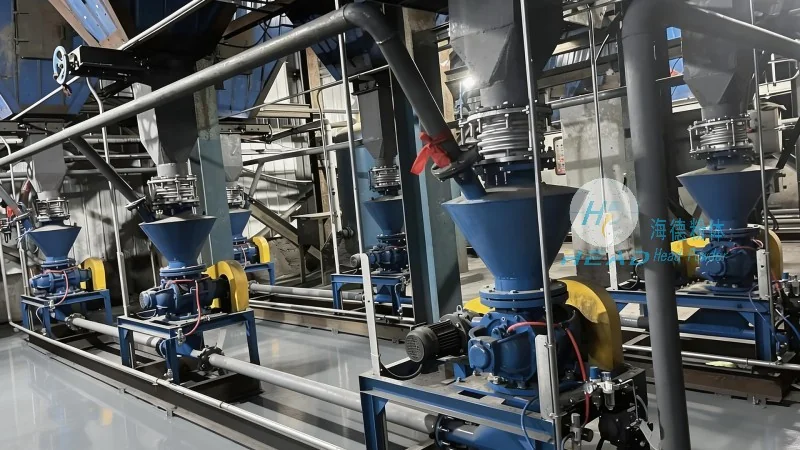
Each component of the monosodium glutamate powder pneumatic conveying system plays a vital role in the overall operation. The hopper is the primary storage vessel, designed to hold a large quantity of MSG while maintaining a consistent feed rate. The feeder, often a rotary valve or a screw feeder, controls the amount of material released into the conveying line, preventing overloading and ensuring a steady flow. The conveying line is the core of the system, typically made of stainless steel to meet food industry hygiene standards. The line is equipped with bends and elbows that are designed to minimize pressure loss and prevent material accumulation. The receiver is the final component, where the MSG is deposited after being conveyed through the pipeline. The company, Shandong HeadPowder Engineering Co., Ltd., ensures that all components are manufactured to high standards, with attention to detail in material selection and construction to ensure durability and reliability.
Implementing a monosodium glutamate powder pneumatic conveying system offers several advantages over traditional methods like bucket elevators or belt conveyors. One of the main benefits is the ability to transport material in a closed system, which helps maintain hygiene and prevent contamination from external sources. This is particularly important for MSG, as it is a food-grade product that requires strict handling protocols. Another advantage is the flexibility of the system, which can be easily integrated into existing production lines or expanded to accommodate increased production volumes. The system also reduces labor costs by automating the material handling process, allowing workers to focus on other tasks. Additionally, the pneumatic conveying system is energy-efficient compared to other methods, as it uses compressed air that can be recycled and reused. Shandong HeadPowder Engineering Co., Ltd. has designed systems that maximize these advantages, providing customers with a reliable and cost-effective solution for their MSG handling needs.
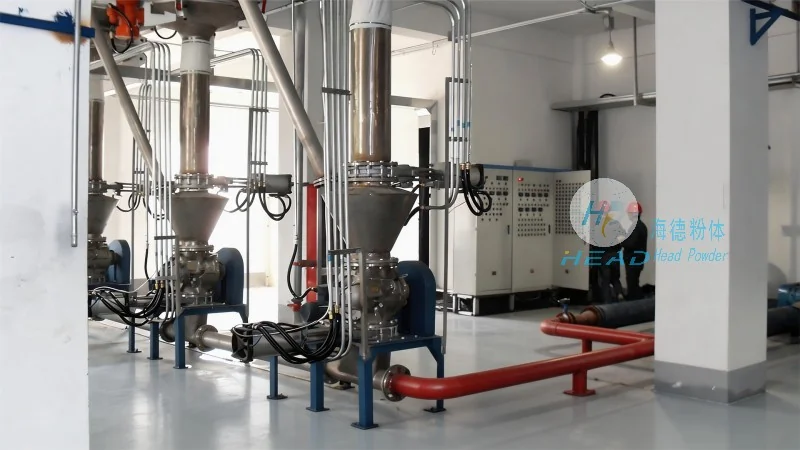
Every monosodium glutamate powder pneumatic conveying system is customized to meet the specific requirements of the customer. The company, Shandong HeadPowder Engineering Co., Ltd., works closely with clients to understand their production processes, material characteristics, and operational constraints. Based on this information, the engineers design a system that is tailored to the application. For example, if the MSG is being transported over long distances or through multiple bends, the system may include additional components like pulse jets or airlocks to maintain flow. The company also considers the environmental factors, such as the need for dust control and noise reduction, in the system design. By customizing the system, Shandong HeadPowder Engineering Co., Ltd. ensures that the final product meets the customer's expectations and operates efficiently in their facility.

 Shandong Headpowder Engineering Co., Ltd.
 156-6277-7102(Manager Zhang)
  0531-83386006
  Zhangqiu District, Jinan City, Shandong Province, China
telephone
WeChatconsult
top