With more than 10‑year industry experience, Shandong Headpowder delivers full‑service pneumatic‑conveying systems and blowers, undertaking nationwide turn‑key powder‑handling projects.
Cellulose pneumatic conveying is a specialized method used in material handling and processing industries to transport cellulose-based materials through a pipeline using air or other gases. This technology is particularly relevant for industries dealing with fibrous or powdery cellulose products, such as paper manufacturing, pulp processing, and biomass energy production. The core concept involves creating a flow of air within a closed system to move the material from a source to a destination, often with minimal mechanical contact and reduced risk of contamination or degradation.
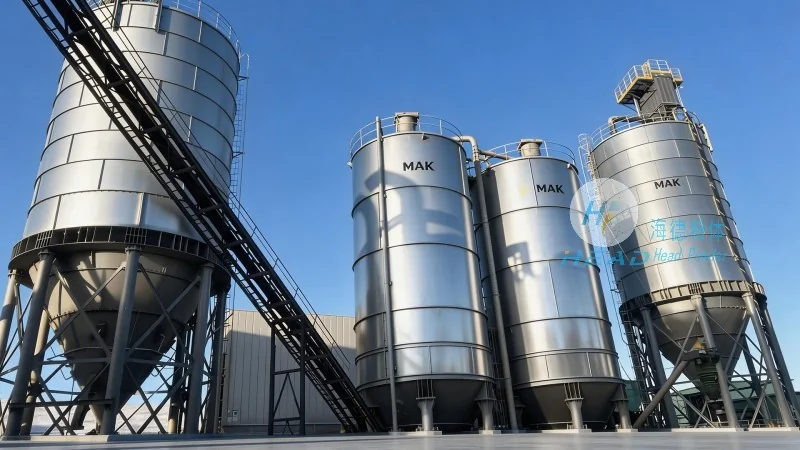
The design of a cellulose pneumatic conveying system typically includes several critical components that work in concert to ensure efficient and reliable material transport. These components may include a hopper or feed hopper to store and meter the cellulose material, a blower or compressor to generate the necessary air pressure, a pipeline system to guide the material and air mixture, and a receiver or discharge hopper to collect the conveyed material. Additionally, control systems such as pressure sensors, flow meters, and valves are often integrated to regulate the conveying process and maintain optimal performance.
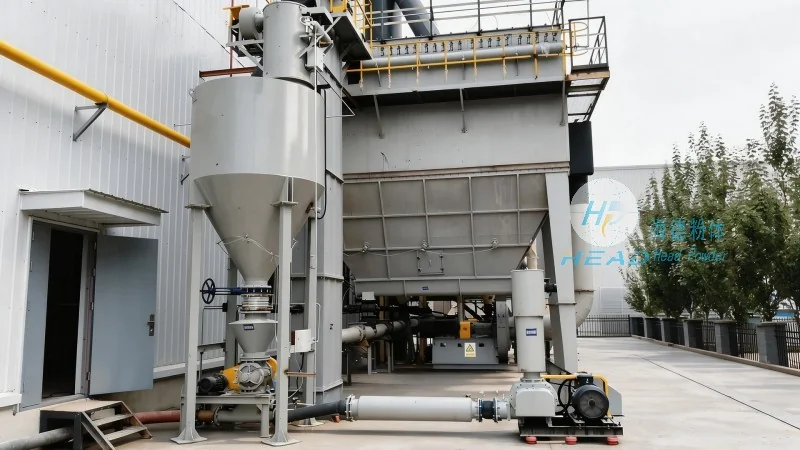
The design principles of cellulose pneumatic conveying systems focus on balancing several key factors to achieve high efficiency, low energy consumption, and minimal material degradation. One of the primary principles is the selection of appropriate air velocity and pressure to ensure the material is fully suspended and transported without clogging or excessive wear on the system components. The air velocity must be sufficient to overcome the gravitational forces acting on the material particles and maintain a stable flow within the pipeline. Additionally, the system design considers the particle size, density, and moisture content of the cellulose material, as these properties directly impact the required air flow rates and system pressure.
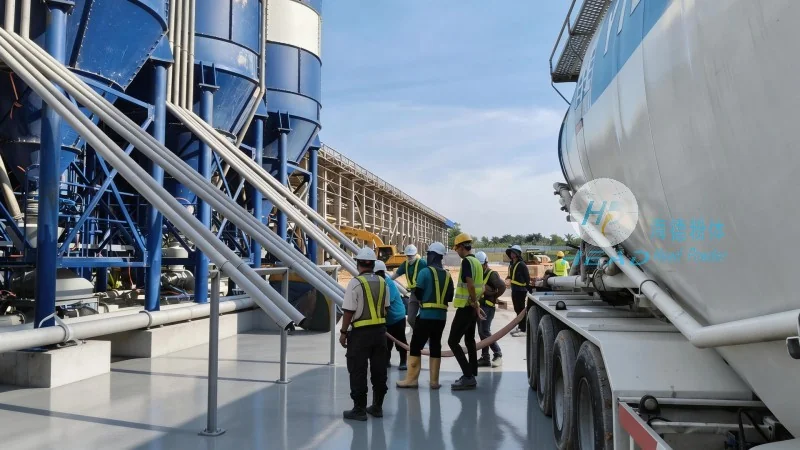
Cellulose pneumatic conveying offers several advantages over traditional mechanical conveying methods, making it a preferred choice for many industrial applications. One of the main benefits is the ability to transport materials in a closed system, which helps prevent dust emissions, contamination from external sources, and exposure to environmental factors. This is particularly important for cellulose materials, which can be sensitive to moisture or air quality. Another advantage is the reduced risk of material degradation due to minimal mechanical contact and gentle handling. The system also allows for flexible and compact layouts, as the pipeline can be routed around obstacles and integrated into existing plant infrastructure. Furthermore, pneumatic conveying systems can handle a wide range of material types and flow rates, providing versatility for different production needs.
Cellulose pneumatic conveying is widely used in various applications within the cellulose and related industries. In paper manufacturing, for example, it is used to transport pulp from storage silos to the paper machine or to move recycled fiber from collection points to processing facilities. In pulp processing plants, the system can convey raw wood chips or processed pulp slurry between different processing stages, such as grinding, screening, and bleaching. Additionally, in biomass energy production, cellulose-based feedstocks like wood pellets or sawdust are often conveyed using pneumatic systems to transport them to boilers or gasifiers for energy generation. The technology is also applicable in the production of cellulose derivatives, such as cellulose ethers or esters, where precise material handling is crucial to maintain product quality.
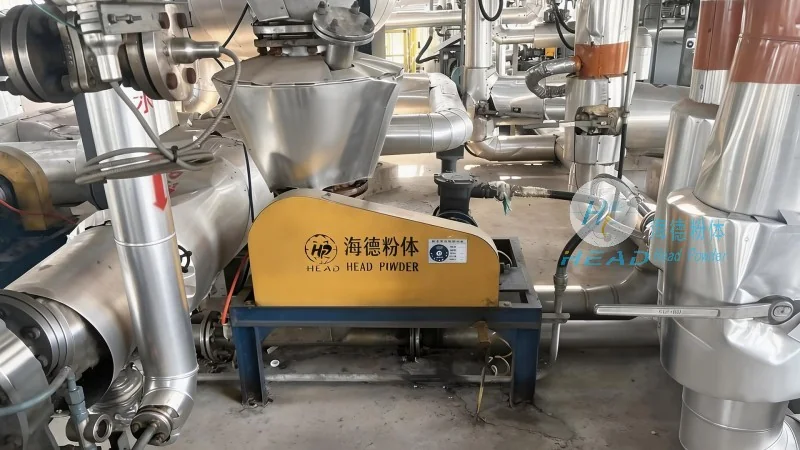
Shandong HeadPowder Engineering Co., Ltd., commonly known as HeadPowder, is a leading provider of specialized material handling solutions, including cellulose pneumatic conveying systems. With a focus on innovation and customer-centric design, HeadPowder has established itself as a trusted partner for industries requiring efficient and reliable transport of fibrous and powdery materials. The company's expertise lies in designing customized pneumatic conveying systems tailored to the specific needs of each client, ensuring optimal performance and cost-effectiveness. HeadPowder's facilities are located in Shandong, China, where the company leverages local resources and expertise to deliver high-quality products and services to a global market.

 Shandong Headpowder Engineering Co., Ltd.
 156-6277-7102(Manager Zhang)
  0531-83386006
  Zhangqiu District, Jinan City, Shandong Province, China
telephone
WeChatconsult
top