With more than 10‑year industry experience, Shandong Headpowder delivers full‑service pneumatic‑conveying systems and blowers, undertaking nationwide turn‑key powder‑handling projects.
Quartz sand pneumatic conveying is a method used to transport quartz sand particles through a pipeline using air as the conveying medium. This technology is widely applied in various industries, including mining, construction, and chemical processing, due to its efficiency and flexibility in handling bulk materials. The design principles of such systems are crucial for ensuring reliable operation, minimizing material loss, and optimizing energy consumption.
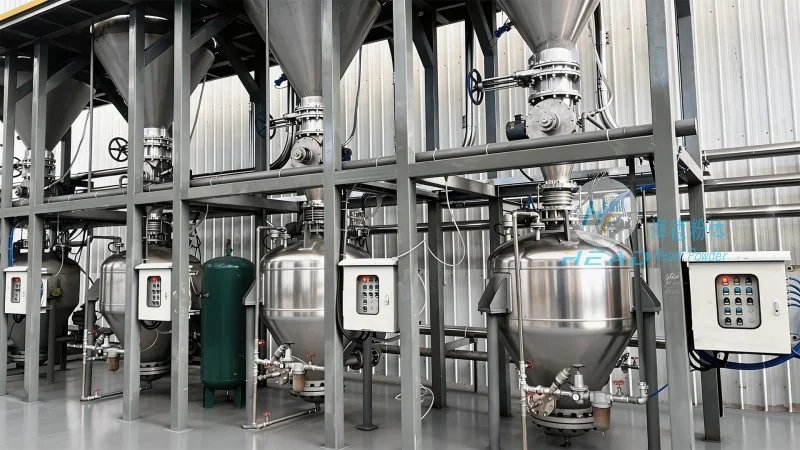
At its core, quartz sand pneumatic conveying involves the use of compressed air to move dry or slightly moist quartz sand particles from a source to a destination. The process typically includes a hopper, a feeder, a conveying line, and a receiver. The hopper stores the quartz sand, and the feeder controls the flow rate of the material into the conveying line. Compressed air is then introduced into the line, creating a flow that carries the sand particles along the pipeline. The receiver collects the material at the end of the conveying line.
The design of a quartz sand pneumatic conveying system is based on several critical principles to ensure optimal performance. First, the selection of the conveying line diameter is essential. The diameter must be large enough to prevent particle segregation and blockages while being small enough to maintain sufficient air velocity for effective transport. Typically, the line diameter is determined based on the particle size distribution of the quartz sand and the required flow rate. Second, the air velocity plays a vital role. The air velocity must be high enough to lift and transport the sand particles but not so high as to cause excessive wear on the system components or increase energy consumption. The optimal air velocity is usually determined through calculations and empirical data, considering factors like particle density, size, and shape.
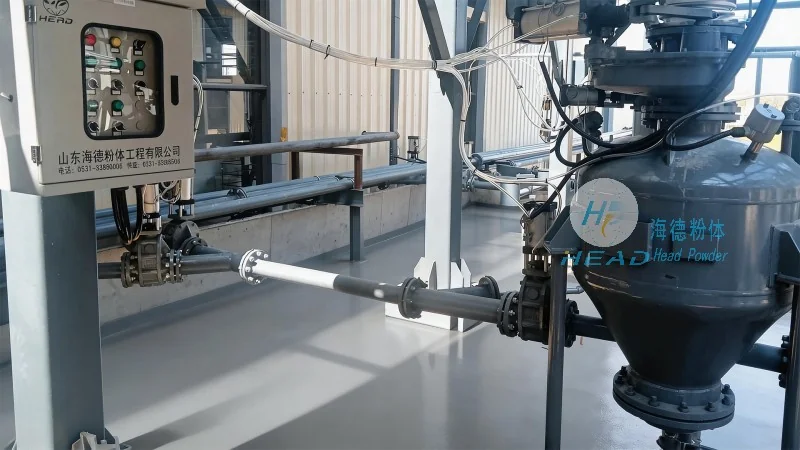
Third, the system's pressure and flow rate are carefully managed. The pressure in the conveying line is maintained at a level that ensures the sand particles are carried efficiently without causing excessive pressure drops or energy waste. The flow rate is controlled by the feeder, which adjusts the amount of material entering the system. Proper control of pressure and flow rate is crucial for maintaining consistent material transport and preventing system inefficiencies. Fourth, the system includes components designed to handle the specific characteristics of quartz sand. For example, the hopper and feeder are often equipped with features to prevent material bridging or caking, which can occur with fine or cohesive quartz sand particles. The conveying line may also be lined with materials that resist abrasion from the sand particles, extending the system's lifespan.
A typical quartz sand pneumatic conveying system consists of several key components, each with a specific function. The hopper serves as the storage vessel for the quartz sand, providing a consistent supply of material to the feeder. The feeder, often a rotary valve or a screw feeder, regulates the flow rate of the sand into the conveying line, ensuring a steady and controlled input. The conveying line itself is a pipeline through which the air and sand particles travel. It is usually made of durable materials like stainless steel or PVC to withstand the abrasive nature of quartz sand. The receiver is the terminal component that collects the transported sand, typically equipped with a dust collection system to prevent environmental contamination and maintain air quality.
Quartz sand pneumatic conveying offers several advantages over traditional methods like belt conveyors or bucket elevators. One of the primary benefits is the ability to transport materials over long distances without the need for multiple transfer points or intermediate storage. This reduces the overall system complexity and cost. Additionally, the system is relatively compact, as it does not require large horizontal or vertical structures. It also allows for the integration of dust collection and filtration systems, which are essential for maintaining a clean and safe working environment. The flexibility of pneumatic conveying systems also enables easy adjustments to the flow rate and direction of material transport, making them suitable for various applications and production changes.
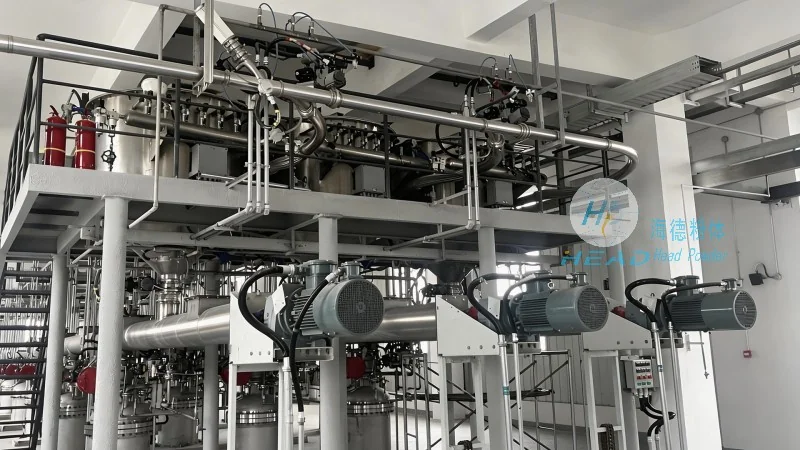
Quartz sand pneumatic conveying is widely used in industries that require the handling of bulk quartz sand. In the mining industry, it is used to transport mined quartz sand from processing plants to storage facilities or to other processing units. In the construction industry, it is applied in the production of concrete and other building materials, where quartz sand is a key ingredient. The chemical processing industry also utilizes this technology to transport quartz sand used as a raw material in the production of glass, ceramics, and other products. The versatility of the system makes it suitable for a wide range of applications, from small-scale operations to large industrial plants.
Quartz sand pneumatic conveying is a sophisticated and efficient method for transporting quartz sand particles. The design principles, including the selection of line diameter, air velocity, pressure, and flow rate, are critical for ensuring the system's reliability and performance. The components of the system, such as the hopper, feeder, conveying line, and receiver, work together to achieve effective material transport. The advantages of this technology, including long-distance transport, compact design, and integration with dust control systems, make it a preferred choice in various industries. As a leading provider in the field, Shandong HeadPowder Engineering Co., Ltd. specializes in designing and manufacturing high-quality quartz sand pneumatic conveying systems tailored to meet the specific needs of clients in China and beyond.

 Shandong Headpowder Engineering Co., Ltd.
 156-6277-7102(Manager Zhang)
  0531-83386006
  Zhangqiu District, Jinan City, Shandong Province, China
telephone
WeChatconsult
top