With more than 10‑year industry experience, Shandong Headpowder delivers full‑service pneumatic‑conveying systems and blowers, undertaking nationwide turn‑key powder‑handling projects.
Shandong HeadPowder Engineering Co., Ltd., commonly known as headpowder, is a professional manufacturer and supplier specializing in material conveying systems, particularly for agricultural and food processing industries. The company is headquartered in Shandong, China, and has established a strong reputation for delivering high-quality, reliable, and efficient conveying solutions tailored to the unique requirements of various industrial applications. With a focus on innovation and customer satisfaction, headpowder provides comprehensive services from design and manufacturing to installation and maintenance, ensuring optimal performance for clients handling bulk materials like camellia seeds.
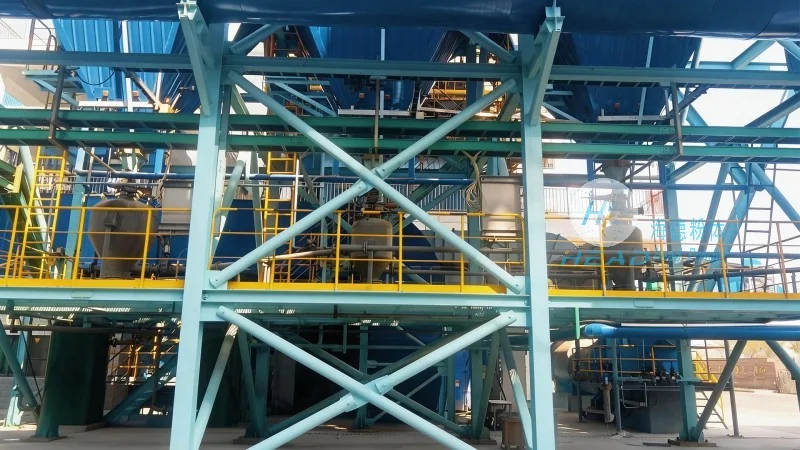
The process of camellia seed material conveying involves the movement of seeds from one location to another within an industrial setting, such as from a storage silo to a processing line or from a collection point to a storage facility. The core principles of this operation revolve around mechanical and gravitational forces, combined with specialized equipment designed to handle the physical characteristics of camellia seeds. These seeds typically have a relatively uniform size, moderate density, and can be prone to sticking or clogging in traditional conveying systems. To address these challenges, modern conveying solutions often incorporate features like adjustable speed, variable pitch screws, or air-assisted mechanisms to ensure smooth and continuous flow. The selection of the appropriate conveying method depends on factors including the distance to be covered, the vertical or horizontal orientation of the path, and the desired throughput rate. For instance, screw conveyors are commonly used for short to medium horizontal or slight incline applications due to their compact design and ability to handle a wide range of bulk materials without the need for external power sources beyond the motor driving the screw. In contrast, pneumatic conveying systems utilize air pressure to transport seeds, which is particularly effective for long-distance or vertical transport, though they may require higher energy input and careful management of air pressure to prevent material degradation or blockages.
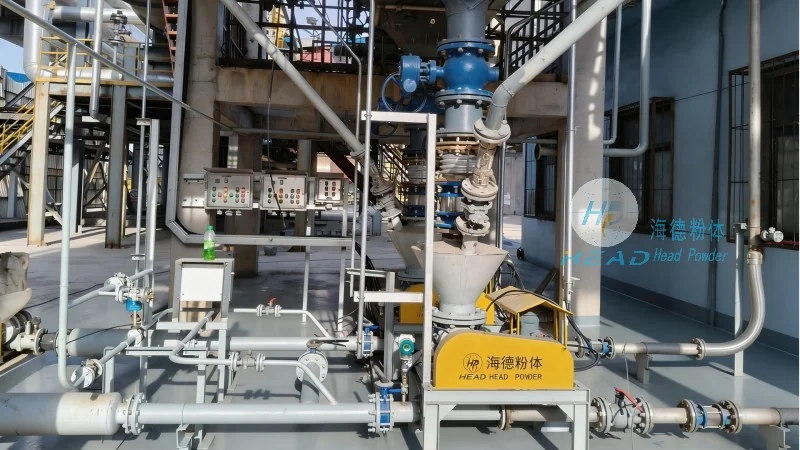
The working scene characteristics of camellia seed material conveying vary significantly based on the specific industrial environment and the stage of the processing operation. In agricultural collection and storage facilities, the primary goal is to efficiently move large quantities of harvested seeds from the field to storage silos or bulk containers. Here, the conveying system must be robust enough to handle high volumes and potentially wet or contaminated seeds, while also being easy to clean and maintain to prevent cross-contamination. The equipment used in these settings often includes large-capacity belt conveyors or hopper-fed screw conveyors, designed to operate continuously over extended periods with minimal downtime. In processing plants, such as oil extraction facilities, the conveying process becomes more specialized. Seeds may need to be transported from storage to pre-treatment units (e.g., cleaning, drying), then to the extraction machinery, and finally to storage for the extracted oil or byproducts. In these scenarios, the conveying system must maintain the integrity of the seeds, preventing damage that could affect oil yield or quality. This often involves gentle handling equipment like belt conveyors with soft or rubberized surfaces, or low-speed screw conveyors to minimize friction and breakage. Additionally, the working environment in processing plants may involve higher temperatures or humidity, requiring conveying equipment with corrosion-resistant materials or protective coatings to ensure longevity. In storage and distribution centers, the focus shifts to maintaining seed quality during transport. The conveying system must be able to handle varying seed conditions, such as different moisture levels or sizes, and ensure that the seeds are not exposed to excessive heat or air flow that could cause spoilage. Vertical conveyors, such as bucket elevators, are frequently used in these settings to move seeds between different levels of the storage facility, providing a space-saving solution that minimizes the footprint of the operation. The characteristics of the working scene also influence the choice of control systems, with many modern conveying solutions incorporating automated controls to adjust speed or direction based on real-time demand, enhancing operational efficiency and reducing labor costs.
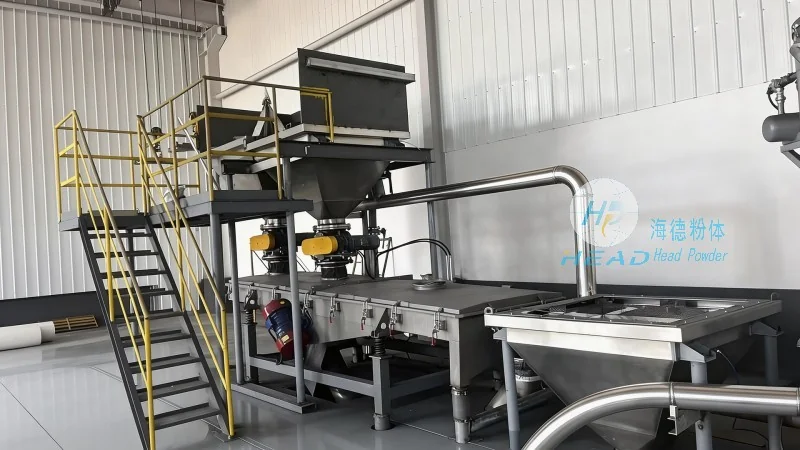
When evaluating the performance of camellia seed material conveying systems, several key features and advantages stand out as critical for successful implementation. First, the efficiency of the conveying process is paramount, as it directly impacts the overall throughput of the processing operation. High-capacity systems, such as large-diameter screw conveyors or high-volume pneumatic conveyors, can move thousands of pounds of seeds per hour, ensuring that the processing line operates at optimal speed without bottlenecks. Second, energy efficiency is a significant consideration, as conveying systems often account for a substantial portion of the total energy consumption in a facility. Modern designs incorporate variable frequency drives (VFDs) to adjust motor speed based on the load, reducing energy waste during low-demand periods. Third, durability and reliability are essential, especially in environments where downtime can result in significant financial losses. Materials like stainless steel, corrosion-resistant alloys, and wear-resistant coatings are commonly used to extend the lifespan of the equipment and minimize maintenance requirements. Fourth, adaptability to different seed conditions is crucial, as camellia seeds may vary in size, moisture content, or presence of debris. Flexible conveying systems, such as adjustable screw pitch or variable belt speeds, allow operators to modify the conveying parameters to accommodate these variations, ensuring consistent performance. Finally, safety features are integrated into many modern systems to protect both personnel and equipment. This includes emergency stop buttons, safety guards on moving parts, and sensors to detect blockages or overloads, reducing the risk of accidents and equipment damage. These features collectively contribute to a reliable and efficient conveying solution that meets the demands of modern camellia seed processing operations.

 Shandong Headpowder Engineering Co., Ltd.
 156-6277-7102(Manager Zhang)
  0531-83386006
  Zhangqiu District, Jinan City, Shandong Province, China
telephone
WeChatconsult
top