With more than 10‑year industry experience, Shandong Headpowder delivers full‑service pneumatic‑conveying systems and blowers, undertaking nationwide turn‑key powder‑handling projects.
Positive pressure blown material handling systems represent a sophisticated approach to transporting bulk materials efficiently and safely across various industrial applications. This technology is particularly valuable in environments where traditional conveying methods may face challenges due to material properties, environmental constraints, or operational requirements. The core principle of positive pressure systems involves generating a pressurized air stream that propels material through a sealed pipeline network. By maintaining a higher pressure within the system compared to the external environment, these systems ensure reliable material transport without the need for vacuum or complex mechanical components.
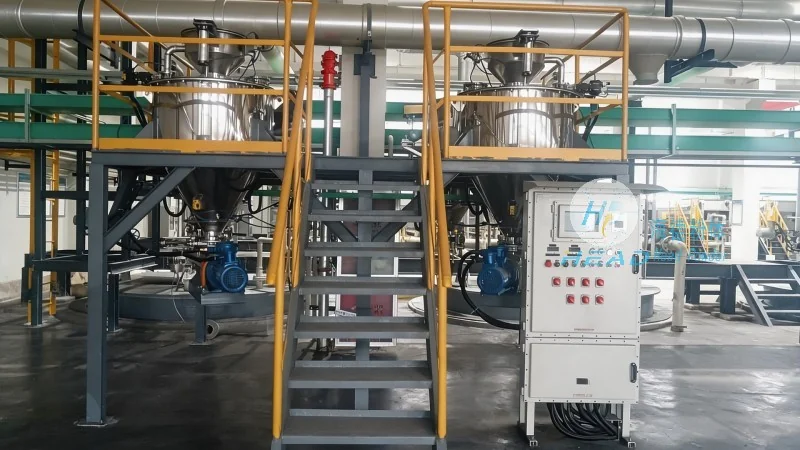
The fundamental principle of positive pressure conveying is the creation of a pressurized air flow that carries particulate materials through a closed pipeline. The system operates by introducing compressed air into the material feed point, where the material is introduced into the air stream. As the air and material mixture moves through the pipeline, the pressure differential between the system and the external environment drives the material forward. This method is distinct from negative pressure (vacuum) systems, as it relies on pressure rather than suction to move material. The positive pressure approach offers several advantages, including the ability to handle a wide range of material types, from fine powders to larger granules, and to maintain consistent flow rates even under varying load conditions.
Positive pressure systems typically consist of several critical components that work in concert to ensure efficient material transport. These include a material feeder, which introduces the bulk material into the air stream; a blower or air compressor, which generates the pressurized air; a pipeline network, which transports the material; and a discharge point, where the material is released. The material feeder may be a hopper or a rotary valve, designed to control the flow of material into the system. The blower provides the necessary air pressure, often ranging from 5 to 15 psi (pounds per square inch), depending on the material and system length. The pipeline is usually made of materials such as stainless steel, PVC, or polyethylene, chosen for their durability and resistance to corrosion and abrasion. The discharge point may include a filter or separator to remove excess air and collect the material, ensuring a clean and efficient output.

Positive pressure blown material handling systems are widely used in diverse industrial settings, each with unique characteristics that make this technology suitable. In pharmaceutical and food processing industries, for example, the sealed pipeline and controlled environment of positive pressure systems help maintain product purity and prevent contamination. The system's ability to handle fine powders without generating dust or cross-contamination makes it ideal for these applications. In chemical processing, where materials may be abrasive or corrosive, the robust construction of the pipeline and components ensures long-term reliability and minimal maintenance. Additionally, in agricultural and mining operations, positive pressure systems are used to transport bulk materials such as grains, ores, or fertilizers over long distances with minimal energy consumption. The system's efficiency in these scenarios is particularly notable, as it reduces the need for multiple transfer points and manual handling.
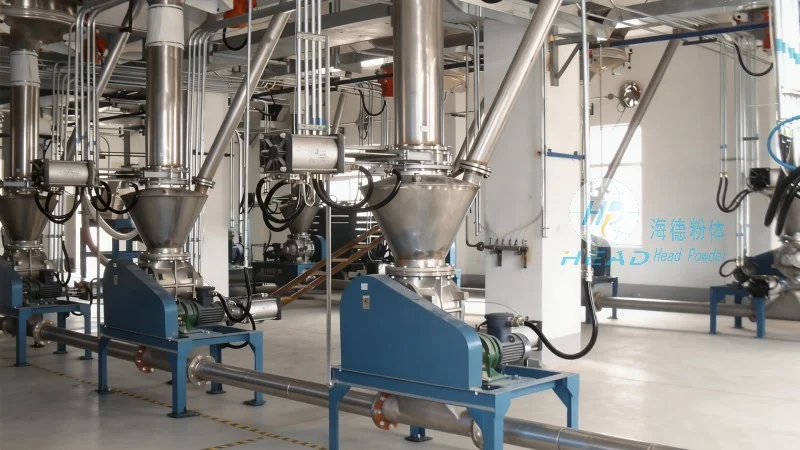
The suitability of positive pressure systems varies based on the specific working environment and material characteristics. In environments with high ambient dust levels or where air quality is a concern, the sealed pipeline design minimizes dust emissions and maintains a clean working area. This is particularly beneficial in facilities where dust control is mandatory, such as in food processing or pharmaceutical manufacturing. However, the system's performance may be affected by factors like material moisture content and particle size. Wet or sticky materials may require additional equipment, such as a pre-drying or conditioning step, to ensure smooth transport. Similarly, very fine powders may require higher air pressure or specialized feed mechanisms to prevent clogging. The system's energy efficiency is another key consideration, as the pressure requirements can impact operational costs. Proper sizing of the blower and pipeline diameter is essential to balance performance and energy consumption.
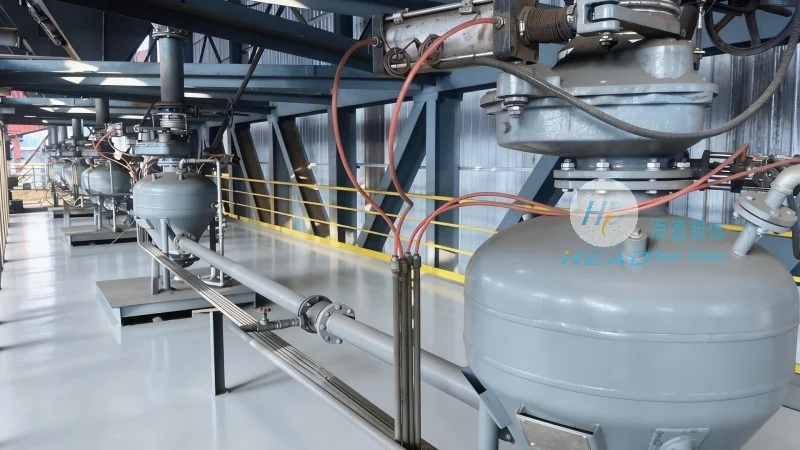
Real-world applications of positive pressure blown material handling systems highlight their effectiveness in various industrial scenarios. For instance, a food processing plant in China utilized a positive pressure system to transport flour from storage silos to production lines. The system's ability to maintain a sterile environment and prevent cross-contamination ensured compliance with food safety regulations. The plant reported a 30% reduction in material handling time and a 20% decrease in labor costs compared to traditional methods. In another case, a chemical manufacturing facility in Shandong, China, implemented a positive pressure system to transport abrasive ores over a distance of 500 meters. The system's robust pipeline and efficient blower design resulted in minimal wear and tear, reducing maintenance costs by 25% over a two-year period. These examples demonstrate the versatility and reliability of positive pressure systems across different industries and operational scales.
Positive pressure blown material handling systems offer a reliable and efficient solution for transporting bulk materials in a variety of industrial applications. The technology's ability to handle diverse materials, maintain a controlled environment, and reduce operational costs makes it a preferred choice for many industries. As industrial demands evolve, the continued development of positive pressure systems, including advancements in material handling efficiency and environmental sustainability, will likely shape future applications. Companies like Shandong HeadPowder Engineering Co., Ltd., based in China, specialize in designing and implementing such systems, providing tailored solutions to meet the specific needs of their clients. With a focus on innovation and quality, these systems continue to play a critical role in enhancing material handling processes across global industries.

 Shandong Headpowder Engineering Co., Ltd.
 156-6277-7102(Manager Zhang)
  0531-83386006
  Zhangqiu District, Jinan City, Shandong Province, China
telephone
WeChatconsult
top