With more than 10‑year industry experience, Shandong Headpowder delivers full‑service pneumatic‑conveying systems and blowers, undertaking nationwide turn‑key powder‑handling projects.
Shandong HeadPowder Engineering Co., Ltd., headquartered in Shandong, China, specializes in providing advanced solutions for grit material conveying, addressing the unique challenges faced by industries that rely on abrasive powders and similar granular substances. The company's expertise lies in designing and manufacturing systems that optimize material transport efficiency while ensuring safety and durability in demanding industrial environments.
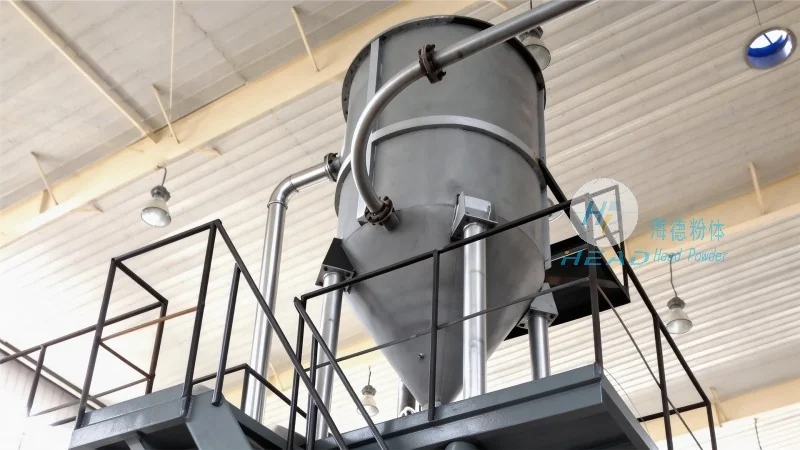
The fundamental principles of grit material conveying involve the effective transfer of abrasive particles from one location to another. Key mechanisms include gravitational flow, mechanical agitation, and pneumatic transport. Gravitational systems utilize the natural force of gravity to move materials down inclined chutes or hoppers, which is ideal for applications where a gentle slope is available and the material is free-flowing. Mechanical conveyors, such as screw conveyors and belt conveyors, provide more controlled movement, allowing for precise control over speed and direction. Pneumatic systems, on the other hand, use compressed air to transport grit materials through pipes, which is particularly effective for fine powders that are prone to dust and require enclosed transport to prevent contamination and environmental issues.

Grit material conveying operates in diverse industrial environments, each with unique requirements and challenges. The working scene characteristics are influenced by factors such as material properties, processing scale, and environmental conditions. In mining and quarrying operations, large volumes of crushed rock and abrasive grit are transported over long distances using heavy-duty belt conveyors and bucket elevators. These systems must withstand high abrasion and impact forces, necessitating robust construction materials like high-strength steel and wear-resistant coatings. In manufacturing facilities, especially those involved in metalworking and surface finishing, grit materials are used for sandblasting and polishing processes. Here, conveying systems need to maintain particle integrity and prevent clogging, often employing airlock feeders and flexible hoses to handle fine abrasive powders efficiently.
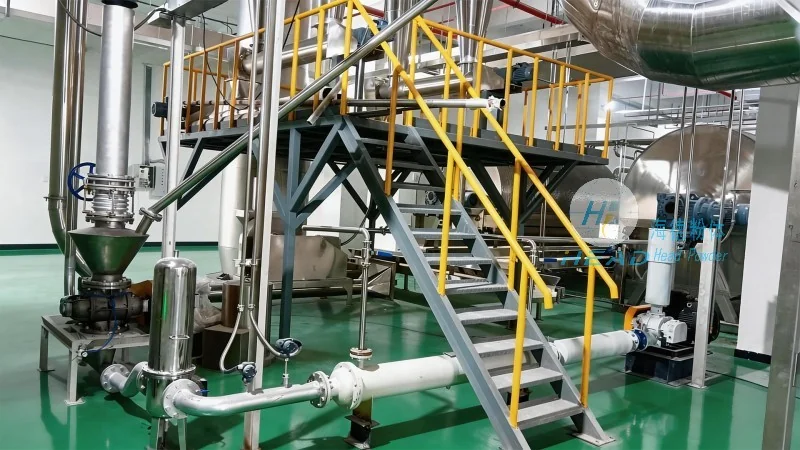
When designing and implementing grit material conveying systems, several critical factors must be considered to ensure optimal performance. Material properties, including particle size distribution, density, and moisture content, directly impact the choice of conveying method. For example, wet or sticky grit may require wet conveying systems or additional drying steps before transport. System durability is another key consideration, as grit materials are highly abrasive and can cause rapid wear on equipment components. Therefore, selecting materials with high wear resistance, such as chrome carbide or rubber liners, is essential to extend the lifespan of the conveying equipment. Additionally, safety and environmental compliance are paramount. Enclosed conveying systems are preferred to contain dust and prevent exposure to workers, while proper ventilation and filtration systems are necessary to maintain air quality in the workplace.
Real-world applications of grit material conveying highlight the versatility and effectiveness of these systems across different industries. In a steel manufacturing plant, a combination of screw conveyors and pneumatic transport is used to move abrasive grit used in shot blasting operations. The system efficiently handles large volumes of material while minimizing dust generation, contributing to a safer working environment. In a glass production facility, fine grit materials are conveyed to polishing machines using airlock feeders and flexible hoses. This setup ensures precise control over the amount of abrasive applied, improving the quality of the finished glass products. These examples demonstrate how tailored conveying solutions can address specific challenges and enhance operational efficiency in grit material handling processes.
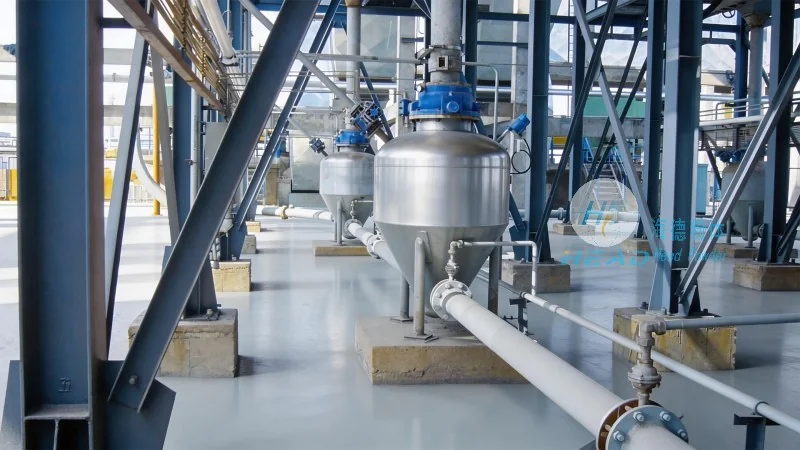
In conclusion, the principles and working scene characteristics of grit material conveying play a vital role in modern industrial operations. By understanding the core mechanisms and adapting to diverse working environments, companies can optimize their material transport processes, reduce downtime, and improve overall productivity. As technology advances, future trends may include the integration of automation and IoT sensors to monitor system performance in real-time, further enhancing the efficiency and reliability of grit material conveying systems. The continued development of advanced materials and innovative design approaches will likely drive improvements in the durability and effectiveness of these critical industrial components.

 Shandong Headpowder Engineering Co., Ltd.
 156-6277-7102(Manager Zhang)
  0531-83386006
  Zhangqiu District, Jinan City, Shandong Province, China
telephone
WeChatconsult
top